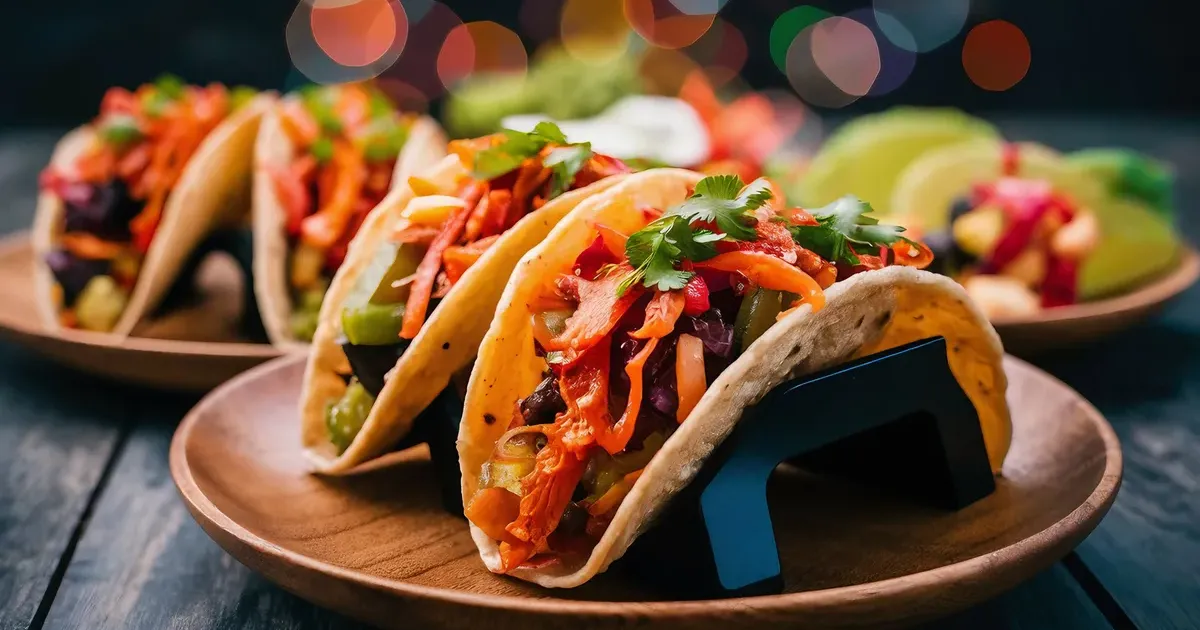
The Ancient Foundations of Mesoamerican Health
Ancient valleys in the Mexican highlands have preserved a dietary blueprint that predates modern nutritional science by millennia. For decades, the global consensus framed Mexican food as a heavy, grease-laden indulgence responsible for rising obesity rates. Critics often pointed to the fried taco shells and mountains of yellow cheese found in suburban strip malls as evidence of a culinary catastrophe. But these depictions ignore the complex, plant-based reality of a cuisine that UNESCO designated as an Intangible Cultural Heritage of Humanity. Such a distinction acknowledges that the traditional Mexican diet is not a collection of recipes but a thorough cultural model spanning agriculture, ritual practices, and ancient skills.
Corn remains the absolute backbone of this system. It is rarely consumed in its raw state. Instead, indigenous cultures developed nixtamalization, a process where dried kernels are soaked and cooked in an alkaline solution, usually limewater. This chemical reaction is fundamental to human survival in the region. It liberates niacin, also known as Vitamin B3, which prevents pellagra, a once-deadly deficiency disease. It also increases the bioavailability of calcium and iron. Without this specific indigenous technology, the civilizations of the Maya and Aztecs could not have sustained their massive urban populations. It is a level of food engineering that modern processing often fails to replicate.
Beans and squash complete the triad known as the milpa. This agricultural method involves planting these three crops together to create a self-sustaining ecosystem. Corn provides a stalk for beans to climb. Beans fix nitrogen in the soil to feed the corn. Squash leaves spread across the ground to retain moisture and prevent weed growth. Nutritionists note that when consumed together, corn and beans provide a complete protein profile, containing all nine essential amino acids. Such a system allowed for a largely vegetarian population to thrive long before the Spanish introduced cattle and pigs in the 16th century.
The Tex-Mex Divergence and the Birth of a Myth
Colonialism fundamentally altered the plate, yet it did not erase the core health benefits of the indigenous diet. The introduction of lard and domestic meat created the heavier dishes often associated with the region today. But the true shift in perception occurred north of the border. Tex-Mex evolved as a distinct regional cuisine in the American Southwest, blending Tejano culture with US industrial food trends. This variant relied heavily on processed flour, high-fat dairy, and ground beef. By the mid-20th century, the globalized version of Mexican food became synonymous with the 'combo plate,' a high-calorie, low-nutrient offering that solidified the myth of unhealthiness.
Regional diversity in Mexico tells a vastly different story. In the southern state of Oaxaca, diets revolve around moles, which are complex sauces made from ground chilies, seeds, nuts, and spices. These mixtures are dense with antioxidants and capsaicin, which has been linked to improved metabolic health. Further south in the Yucatan, citrus and achiote dominate, paired with lean proteins like fish or turkey. The focus remains on fresh, seasonal ingredients rather than deep-frying. Why did the world settle for a caricature of this complexity?
Economic factors played a significant role in the export of the unhealthy myth.
Industrialized food companies found it easier to market shelf-stable corn chips and canned cheese than the labor-intensive reality of fresh salsa and hand-pressed tortillas. Fast-food chains standardized a menu that prioritized speed and cost over the slow-cooked nutritional density of traditional stews. As these chains expanded globally, they carried the reputation of the food with them. The result was a generation of consumers who viewed Mexican cuisine as a 'cheat meal' rather than a sustainable way of living. Statistics from the World Health Organization show that the health crisis in modern Mexico is actually linked to the decline of traditional eating habits in favor of ultra-processed Western products.
A Scientific Re-evaluation of Traditional Ingredients
Modern laboratories are now confirming what indigenous healers have claimed for centuries. Nopal, the prickly pear cactus, is a staple of the Mexican diet that researchers have studied for its hypoglycemic effects. Clinical trials suggest that nopal can sharply lower blood glucose levels in patients with Type 2 diabetes. Its high fiber content and mucilage also support digestive health. Similarly, the use of avocado provides monounsaturated fats that are essential for cardiovascular health. These are not garnishes. They are functional foods that serve as the primary source of nutrients for millions.
Insects, or escamoles and chapulines, provide another layer of misunderstood nutrition. Grasshoppers contain higher protein levels by weight than beef and require a fraction of the environmental resources to produce. While Western audiences often view entomophagy with skepticism, it remains a key part of the nutritional environment in states like Guerrero and Puebla. That reliance on diverse protein sources protected the population from the boom-and-bust cycles of livestock farming. Can a diet based on insects and cacti be the future of sustainable nutrition?
The culinary world is beginning to pivot. High-end restaurants in Mexico City, London, and New York are stripping away the heavy creams and fried shells. They are returning to heirloom corn varieties and the subtle heat of dried chilies. The movement is not just about aesthetics. It is a reclamation of a health-conscious identity that was obscured by 20th-century industrialization. Chefs are now working with agronomists to preserve the genetic diversity of corn, ensuring that the nutritional benefits of nixtamalization are not lost to history.
Evidence of this shift is visible in urban centers where 'tortillerias' are once again using volcanic stone grinders instead of industrial machinery.
Education remains the final hurdle. Public health initiatives in both the US and Mexico are attempting to reintroduce the milpa concept to younger generations. By framing the traditional diet as a source of pride rather than a sign of poverty, these programs hope to reverse the tide of chronic illness. The data from these pilot programs suggests that when communities return to the corn-bean-squash triad, markers for inflammation and insulin resistance show marked improvement. It turns out the biggest myth about Mexican food was never about the food itself, but about our own failure to understand its origins.
The Elite Tribune Perspective
Stop blaming the tortilla for a crisis created by the laboratory. The lazy characterization of Mexican cuisine as a cardiovascular nightmare is a byproduct of cultural illiteracy and the aggressive expansion of American fast-food conglomerates. We have spent half a century mistaking the shadow for the object, judging a 3,000-year-old nutritional gold mine by the standards of a Taco Bell drive-thru. If you want to find the culprit behind rising obesity and metabolic decay, look at the processing plants in the Midwest, not the taco stands in Oaxaca. The indigenous populations of Mesoamerica mastered food chemistry long before the first European ship touched their shores. Their use of nixtamalization was a stroke of genius that allowed civilizations to flourish where others would have starved. To dismiss this as 'unhealthy' because we smothered it in processed cheese and deep-fried the result is a staggering display of arrogance. True Mexican food is a sophisticated, plant-forward system of survival that the Western world would be wise to adopt as it fumbles for a sustainable future. The myth of the greasy taco is dead. It is time to bury the prejudices that went with it.