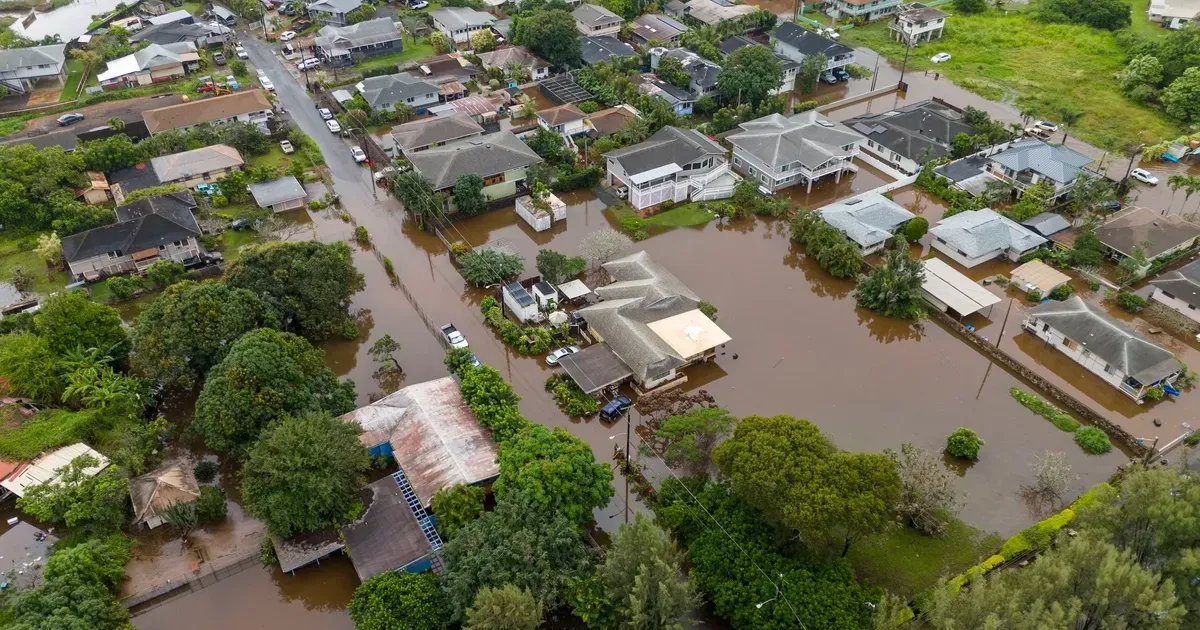
Oahu officials faced a fast-moving public safety test after thousands of residents were told to leave areas below a threatened dam. An evacuation order at this scale is disruptive even when the worst outcome is avoided because families must decide quickly what to carry, where to go and when to return. The most important information for residents is whether roads, shelters and medical access can keep pace with the warning. The official record centered on an Oahu dam failure risk and the movement of roughly 4,000 people from exposed areas. A dam warning also forces officials to explain uncertainty in plain language because delay can be dangerous, but overstatement can damage trust if the threat changes. The local response will be judged by how clearly the island separates precaution from panic. For emergency managers, the immediate measure is whether the evacuation order reaches vulnerable residents before water conditions change. Oahu ordered about 4,000 evacuations because officials feared an imminent dam failure. The emergency response depends on shelter access, road control and clear updates to residents. The operational test is whether those instructions stay clear after the first evacuation notice.
The official response will also be measured after the first evacuation window closes. A dam warning can change quickly, so residents need return guidance, inspection updates and a clear explanation of what would trigger a second order. The safest response is one residents can follow without guessing. That means road names, shelter locations, medical instructions and a public return standard before people start moving back.
The evacuation also needs a recovery plan, not only a warning order. Families leaving a dam-risk zone need to know which roads stay open, where pets and medical equipment can go, and who will say when return is safe. A clear update schedule can reduce rumor, especially on an island where one closed route can change the whole response.
Emergency managers treated the warning as a life-safety order rather than a routine weather advisory. Families needed clear routes, shelter information and reliable updates because uncertainty can slow evacuation decisions. Dam incidents move quickly once water pressure, spillways or earthen structures begin to fail. The order also raises longer questions about inspection backlogs and public knowledge of older infrastructure near populated areas.
Officials Move Before the Dam Breaks
Local credibility now depends on whether officials can explain the danger without creating confusion for residents outside the zone.
Evacuation Logistics Define the Response
A dam warning becomes practical very quickly: who has transport, which roads remain open, where shelters are located and how officials communicate with people who may not be watching local alerts. Those details decide whether an early order feels protective or chaotic.
For residents, the order creates a second problem after physical safety: information. People need to know which neighborhoods are covered, how long they may be away and whether roads or bridges could close before they return.
The best evacuation orders also prepare people for uncertainty. A family may leave quickly but still need medication, documents, phone chargers and a realistic plan for children or older relatives if the return takes longer than expected.
The evacuation order also creates a communication test after the first warning. Residents need practical updates on road closures, shelter capacity, medical needs and return timing. If those details are vague, even a precautionary order can turn into confusion for families already deciding what to leave behind.
What Evacuees Need Next
The hard test comes after the first warning: officials must tell residents when roads are safe, which shelters remain open and what inspection result will allow a return. A dam order succeeds only if people can leave and come back without having to guess.