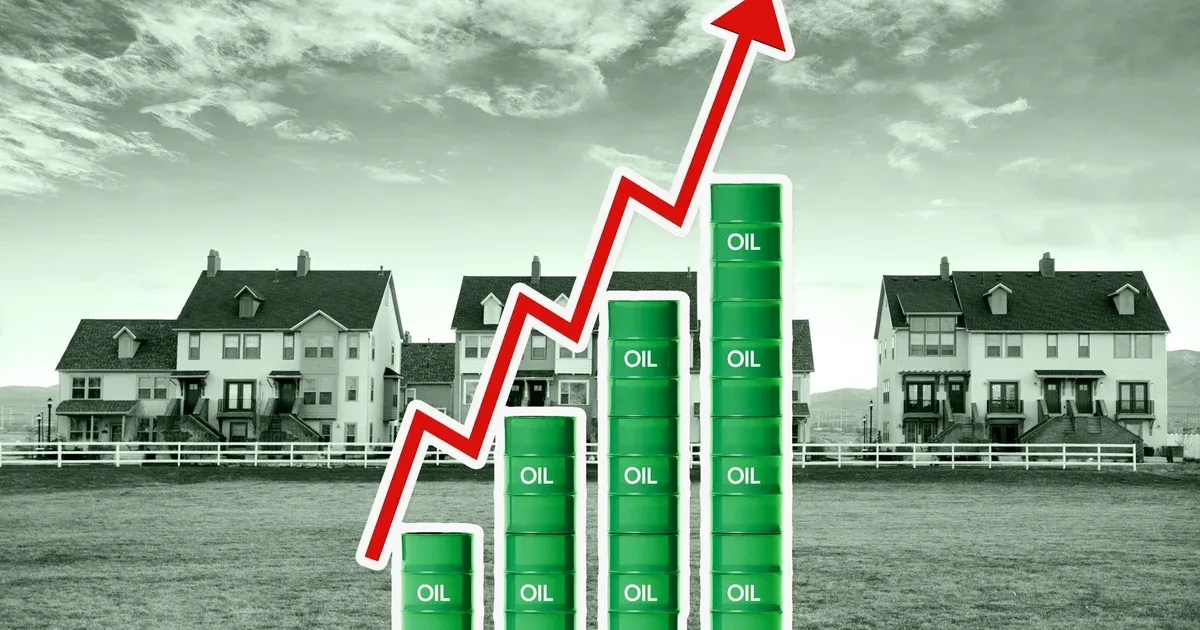
Oil above $100 has revived a word policymakers hate because it admits two failures at once: prices rising while growth weakens. The shock also lands after years in which households already absorbed higher housing, food and borrowing costs. The benchmark move pushed traders, central bankers and corporate planners back toward the stagflation playbook. On March 10, 2026, the comparison with the 1970s was not exact, but it was serious enough to matter because energy is still a cost embedded in almost everything the economy makes and moves. That leaves less cushion for another essential-price surge. The danger is not simply expensive gasoline. The danger is a supply shock that forces households to spend more on essentials while businesses face weaker demand and higher input costs. Companies cannot simply eat the increase forever, especially in sectors where fuel and freight are central inputs. The policy response will therefore have to be layered: energy security, targeted household relief, credible inflation communication and supply-side investment. Rate decisions alone cannot carry the burden. Governments that pretend monetary policy can solve every oil shock will end up punishing demand while leaving the supply weakness untouched. That is how a manageable shock becomes a political and economic trap, especially when voters already distrust official inflation forecasts.
Why $100 Oil Changes the Inflation Math
When crude crosses a psychological threshold, contracts and expectations adjust. Freight companies add surcharges, airlines revisit fares, manufacturers pay more for energy-intensive inputs and food distributors absorb higher transport costs. Restaurants, farms, airlines, builders and retailers all face different versions of the same squeeze. Some of that pressure arrives quickly at the pump. Some appears later in prices for plastics, chemicals, packaging and imported goods. $100 oil inflation pressure is therefore broader than the daily gasoline headline. The political temptation will be to call the problem temporary and wait for markets to calm. Consumers respond by cutting discretionary spending. That is where the growth risk begins. A household paying more for fuel, heating and groceries has less money for restaurants, travel, durable goods and local services. That may work if the supply shock fades quickly.
The Central Bank Trap
Central banks are built to fight inflation by cooling demand, but an oil shock is partly a supply problem. Raising rates cannot pump more crude, reopen a shipping lane or repair a refinery. It fails if businesses start building higher energy assumptions into annual contracts and wage talks. If policymakers tighten aggressively, they may deepen the slowdown. If they ease or hold too long, they may allow the energy shock to bleed into wages, rents and long-term inflation expectations. Neither path is clean. At that point, central banks are no longer fighting one commodity move; they are fighting a changed expectation. This is why stagflation is so politically poisonous. Voters feel higher prices immediately, while the cure can look like higher borrowing costs, weaker job creation and a deliberate squeeze on demand. The lesson from past shocks is not that history repeats perfectly.
How the Shock Moves Through Supply Chains
Energy sits inside the price of food, shipping, construction materials and consumer goods. A factory that pays more for power and transport may raise prices even if its workers do not receive higher wages. A retailer may pass along shipping costs before demand fully weakens. The danger is that policymakers often recognize persistence too late. That chain creates a grim sequence: higher costs first, lower consumption second, layoffs or hiring freezes third. The order matters because households feel the inflation before they see any official confirmation of slower growth. Businesses with thin margins are hit hardest. Large firms can hedge, negotiate or absorb temporary pain. Smaller manufacturers and transport-dependent service companies have fewer buffers.
The political economy is just as difficult as the macroeconomics. Governments can subsidize fuel, cut taxes or release reserves, but each option has a cost. Subsidies protect consumers while straining budgets. Tax cuts may blunt inflation but reduce revenue. Reserve releases are finite.
Companies also behave differently when they think high energy prices will last. They delay expansion, lock in higher contracts, reduce hiring or pass costs forward preemptively. Those defensive decisions can slow growth even before official data confirms a downturn.
The wage channel is where temporary shock can become persistent inflation. Workers who see rent, fuel and food rise will push for compensation. Employers facing higher energy bills will resist. That conflict can become a cycle if expectations break loose.
None of this means the 1970s are repeating exactly. It means the old warning still has teeth: when energy insecurity meets weak productivity and political panic, central banks are forced to fight a fire they did not start with tools that can burn the furniture.
The 1970s Warning, Without the Nostalgia
The 1970s analogy can be overused. Today's economy is more service-heavy, energy intensity has changed and central banks have more credibility than they did in the era of oil embargoes and wage-price spirals.
Still, dismissing the comparison would be foolish. The core mechanism remains: an external energy shock can raise prices while reducing real incomes, leaving policymakers to choose between inflation control and growth protection.
The blunt conclusion is that stagflation risk is back because leaders failed to reduce exposure to geopolitically fragile energy systems. Oil at $100 is not just a commodity milestone. It is a vote of no confidence in the resilience of the global economy.