Suburban Mastery Challenges the City Hegemony
Ossining, New York, sits perched on the banks of the Hudson River, a town historically defined by its famous correctional facility rather than its culinary footprint. Visitors typically pass through on their way to more established dining hubs in the Hudson Valley or remain focused on the riverside views. Within this quiet Westchester enclave, a storefront known as Brothers Fish and Chips is dismantling the traditional hierarchy of the regional seafood market. While Manhattan critics often ignore anything north of the Bronx, the relentless quality found in this unassuming space demands a recalculation of what constitutes a destination restaurant in 2026.
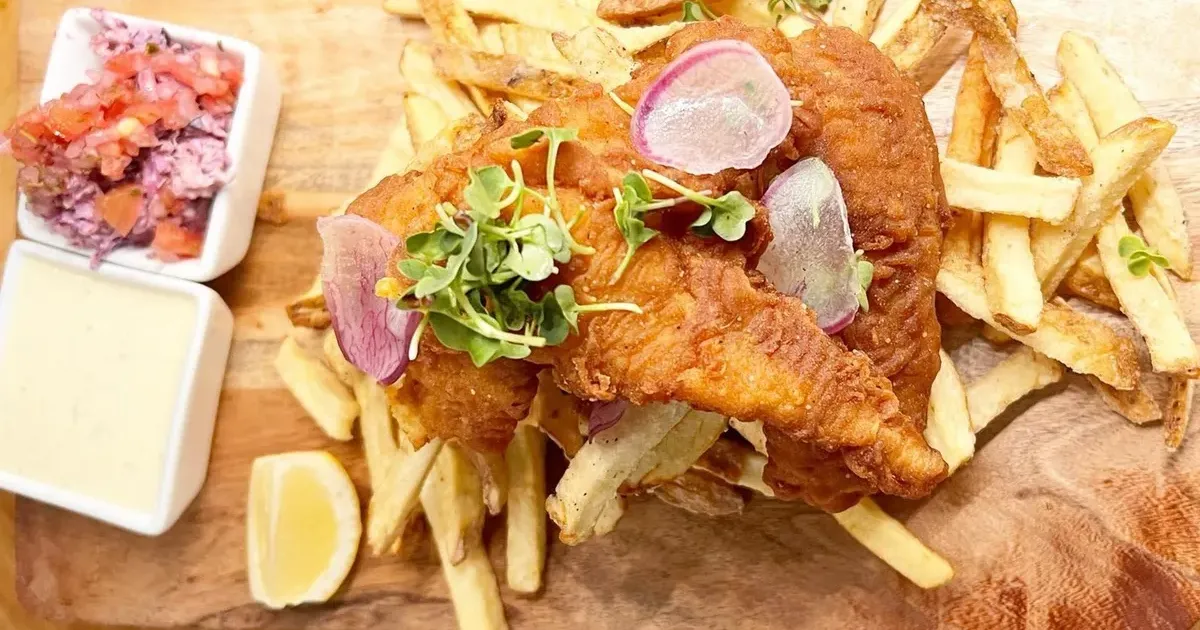
Brothers Fish and Chips is masterwork of culinary dualism. On the surface, the establishment offers the fried comforts of a neighborhood shack. Inside, the operation reveals its true identity as a sophisticated kitchen where Italian heritage meets a rigorous commitment to wild-caught marine life. Chef Elmer Oliveros and his family have spent years refining a menu that bridges the gap between the grease-stained paper bags of coastal tradition and the refined plating of a Michelin-starred crudo bar. Freshness here is not a marketing slogan but a logistical obsession.
Sourcing wild-caught fish in a market saturated with farmed alternatives requires not merely a dedicated supplier. It demands a deep understanding of seasonal migration and a willingness to pay the premium that domestic fisheries require. Most New York diners have become accustomed to the soft, predictable texture of farmed salmon or imported shrimp. Brothers Fish and Chips rejects this bland consistency, opting instead for the firm, muscular bite of wild-caught cod, monkfish, and skate. Each piece of fish carries the mineral snap of the cold North Atlantic, a profile that cannot be replicated in a land-based tank.
Trust remains the only currency left in the seafood trade.
Transparency regarding origins has become the restaurant's defining trait. In an era where seafood fraud remains a persistent issue in major metropolitan centers, the Oliveros family maintains a direct line of sight to the docks. This commitment to transparency extends to the preparation itself. The Italian influence is most visible in the lightness of the batter and the acidity of the accompaniments. Traditional fish and chips often rely on a heavy, beer-laden crust that masks the flavor of the protein. The Ossining approach uses a delicate, almost ethereal coating that allows the natural sweetness of the wild fish to remain the primary focus.
The Collision of Mediterranean Logic and Atlantic Harvest
Italian cooking logic dictates that the quality of the ingredient should dictate the complexity of the preparation. This philosophy permeates the entire menu, manifesting in dishes like the seafood salad or the perfectly seared scallops. Olive oil, lemon, and fresh herbs replace the heavy tartar sauces and malt vinegar typically associated with the genre. Such a pivot elevates the meal from mere sustenance to a curated experience of texture and temperature. Customers who arrive expecting a simple basket of fried food often find themselves managing a sophisticated exploration of Mediterranean sea-fare.
Westchester's dining scene has undergone a quiet revolution over the last three years. High rents and diminishing returns in Manhattan have pushed talented chefs toward the suburbs, but few have managed to maintain the soul of a local favorite while executing at a high level. The success of Brothers Fish and Chips suggests that the modern diner is no longer tethered to the zip codes of Lower Manhattan. Instead, they seek out the integrity of the process and the story of the purveyor. This trend toward suburban dining destinations has shifted the economic gravity of the region, turning towns like Ossining into essential stops for those who prioritize sourcing over scenery.
Quality usually demands a commute.
Everything on the plate reflects a deliberate choice. The brothers do not merely cook fish, they curate a seasonal catalog of what the ocean provides. When the wild-caught season for a specific species ends, the dish vanishes from the menu. It adherence to the natural cycle of the sea might frustrate those used to the infinite availability of the modern supermarket, yet it guarantees that every bite is at its peak nutritional and flavorful state. It is a gamble that pays off in the form of a loyal, almost cult-like following that spans from local retirees to city-dwelling food enthusiasts.
Economics of the Wild Caught Standard
Running a wild-caught seafood operation in 2026 involves managing a complex web of environmental regulations and rising fuel costs for fishing fleets. Inflation has squeezed the margins of every restaurant, but the impact is felt most acutely by those refusing to cut corners on raw ingredients. Many establishments have quietly transitioned to 'organic' farmed products to save costs. Brothers Fish and Chips has resisted this pressure, betting that the discerning palate will always recognize the difference between a fish raised in a pen and one that swam the open ocean. It specific hybrid model of high-end sourcing and casual service allows them to keep prices accessible while maintaining a standard of product that rivals the most expensive houses in Midtown.
Small-town settings often provide the cover needed for this kind of experimentation. Away from the glare of the city's PR machines, the Oliveros family had the space to fail, refine, and eventually succeed. The restaurant does not rely on flashy interiors or celebrity sightings to generate buzz. Instead, the reputation is built on the consistency of the fry and the brightness of the crudo. Success here is measured by the return rate of the patrons, many of whom have been coming since the early days when the concept was far simpler. It is a reminder that the most durable brands are built on the plate, not the screen.
Patrons often mention the feeling of discovery when they first walk through the door. The contrast between the modest exterior and the vibrance of the food creates a sense of belonging for those 'in the know.' This specific atmosphere is difficult to manufacture in the sterile environments of new-build luxury developments. It requires time, family history, and a genuine connection to the local community. As the restaurant continues to garner attention from national publications, the challenge will be maintaining that intimacy while meeting the demands of an expanding audience.
The Elite Tribune Perspective
Stop pretending that Manhattan holds the monopoly on culinary excellence. The geographic snobbery that has long defined the New York food scene is finally collapsing under the pressure of its own arrogance and inflated prices. Small towns like Ossining are exposing the lazy margins of city restaurants that have coasted on their reputations while serving subpar, farmed ingredients to unsuspecting tourists. Brothers Fish and Chips is not just a 'hidden gem' for the suburbs; it is a direct indictment of the bloated, soul-less seafood houses that dominate the five boroughs. When a family-run shop in Westchester can source better wild-caught protein and execute more vibrant Italian flavors than a billionaire-backed hospitality group in Chelsea, the industry needs to wake up. We are entering an era where the destination is defined by the integrity of the chef, not the prestige of the neighborhood. If you are still waiting two hours for a table at a Manhattan institution that serves frozen shrimp and call it 'fine dining,' you are the victim of a marketing scam. The real innovation is happening in the places you used to drive past without a second thought. Quality has moved north, and it is about time the critics followed it.