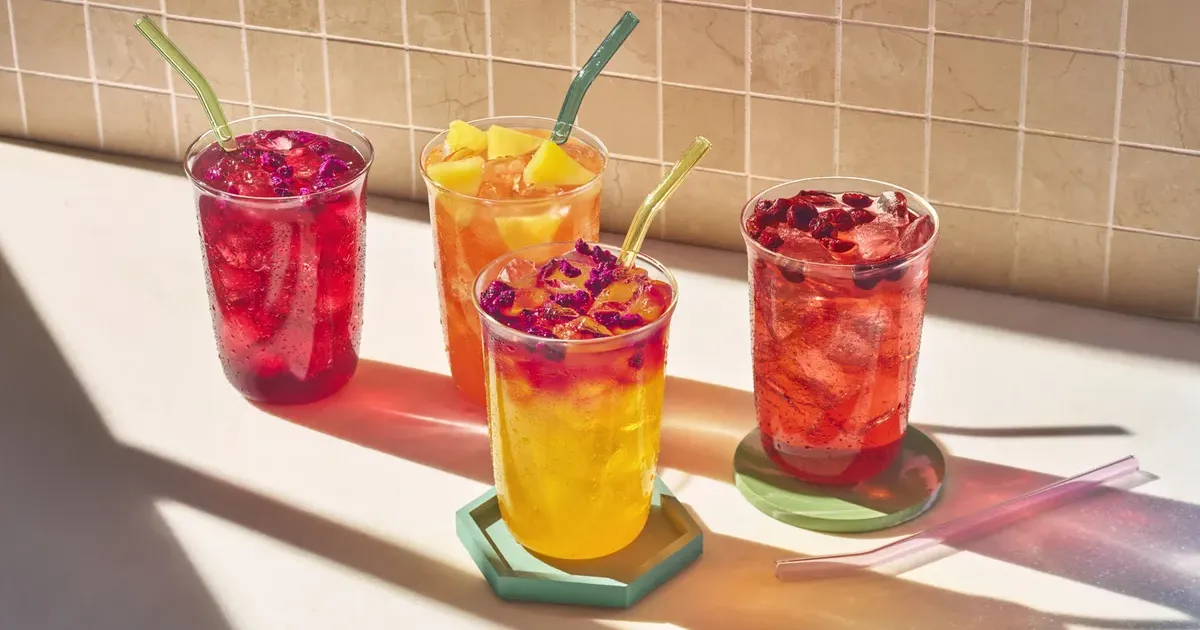
Nationwide Launch Targets Health Conscious Diners
Storefronts across the United States are swapping winter decor for pastel signage this week as Panera Bread introduces a quartet of fruit-focused beverages. March 2026 brings a deliberate shift in the company beverage strategy, focusing on lighter profiles and botanical infusions. These four new additions arrive at a time when the fast-casual industry is distancing itself from high-caffeine energy boosters in favor of refreshing, juice-based alternatives. Corporate headquarters in St. Louis confirmed that the rollout will span all participating locations, marking one of the largest seasonal beverage expansions in the brand recent history.
Customers can expect a variety of flavor profiles including strawberry, lemon, and mango combinations. Each recipe relies on fruit purees and natural concentrates, a move that aligns with the long-standing Panera commitment to clean ingredients. By removing artificial sweeteners and synthetic dyes, the chain hopes to attract younger consumers who prioritize transparency in food sourcing. Market analysts from Bloomberg note that the beverage category now accounts for a growing percentage of afternoon sales, making these launches key for sustaining foot traffic during non-peak hours.
Safety now dictates the menu as much as flavor does.
Earlier controversies involving high-caffeine products forced a radical rethink of the Panera drink station. While the company previously leaned into the energy drink trend, several legal challenges prompted a move toward what internal memos describe as fruit forward refreshment. This strategy reflects a broader trend among JAB Holding Company properties to focus on core bakery-cafe values rather than chasing volatile supplement trends. Panera now emphasizes hydration and natural sugars over the intense stimulants that defined its 2024 and 2025 offerings.
Recent financial reports indicate that the fast-casual sector is under intense pressure to innovate without alienating health-conscious parents. Starbucks and Dunkin have already expanded their versions of quenchers and refreshers, leaving Panera to play catch-up in the cold beverage space. Still, the 2026 spring collection leverages the existing loyalty program, MyPanera, by offering members early access and special pricing. Internal data suggests that these fruit drinks are particularly popular among the Unlimited Sip Club subscribers, a group that drives high-frequency visits.
Profit margins in the beverage sector remain the primary driver of these seasonal rollouts.
Preparation for this nationwide launch involved extensive testing in regional markets like Charlotte and St. Louis. Test kitchen chefs experimented with over thirty different fruit combinations before settling on the final four. Each drink is designed to pair specifically with the new sourdough melts and salads introduced during the winter menu overhaul. This emphasis on pairing suggests that Panera is trying to move away from being just a lunch destination and into a versatile all-day cafe.
Supply chain logistics for fruit purees can be notoriously difficult to manage during the spring transition. But Panera has secured long-term contracts with domestic growers to ensure consistency across its 2,000 locations. Industry experts at Reuters point out that securing high-quality fruit inputs is becoming more expensive due to changing climate patterns in major growing regions like Florida and California. Despite these costs, Panera is keeping prices competitive with its primary rivals in the premium coffee and tea space.
This tactical change in menu development follows years of internal restructuring. However, the success of these new items will depend largely on how well they are received by the suburban demographic that makes up the bulk of the Panera customer base. If these fruit-forward drinks fail to gain traction, the company may be forced to reconsider its simplified menu approach. For now, the focus remains on bright colors and fresh flavors that evoke the feeling of a new season.
Health advocates generally applaud the move away from synthetic additives. Yet, critics warn that even fruit-based drinks can contain high levels of sugar if consumed in large quantities. Panera plans to offer these beverages in multiple sizes, with clear calorie counts displayed on all digital and physical menus. Ensuring that the consumer is fully informed has become a central pillar of the brand identity after several years of intense public scrutiny.
Growth in the digital ordering space has also influenced the way these drinks are marketed. The mobile app now features vibrant photography of the new beverages, designed to encourage impulse additions to checkout baskets. With the spring 2026 season officially underway, the performance of these four drinks will serve as a bellwether for the future of the Panera beverage program.
The Elite Tribune Perspective
Questions remain regarding whether these vibrant hues can truly mask the corporate anxiety underlying Panera recent menu shifts. Looking back at the company timeline, it is clear that the move toward fruit-forward hydration is a forced retreat rather than a visionary leap. The brand spent years trying to compete with the energy drink market, a gamble that resulted in tragic headlines and costly litigation. Now, we are expected to believe that a sudden interest in botanical infusions is purely about spring wellness. It is not. It is about liability management and sanitizing a brand that flew too close to the sun with its previous beverage experiments. While the drinks likely taste pleasant enough, they represent a sanitized version of a menu that once took risks. Panera is playing it safe because they can no longer afford to play it dangerous. The beverage wars of 2026 will not be won by the most caffeinated, but by the most innocuous. That pivot to fruit is a strategic admission that the high-stakes game of stimulant-based marketing is over for the bakery-cafe giant. Investors should watch closely to see if this pivot toward bland safety can sustain the growth needed for their long-delayed public offering.