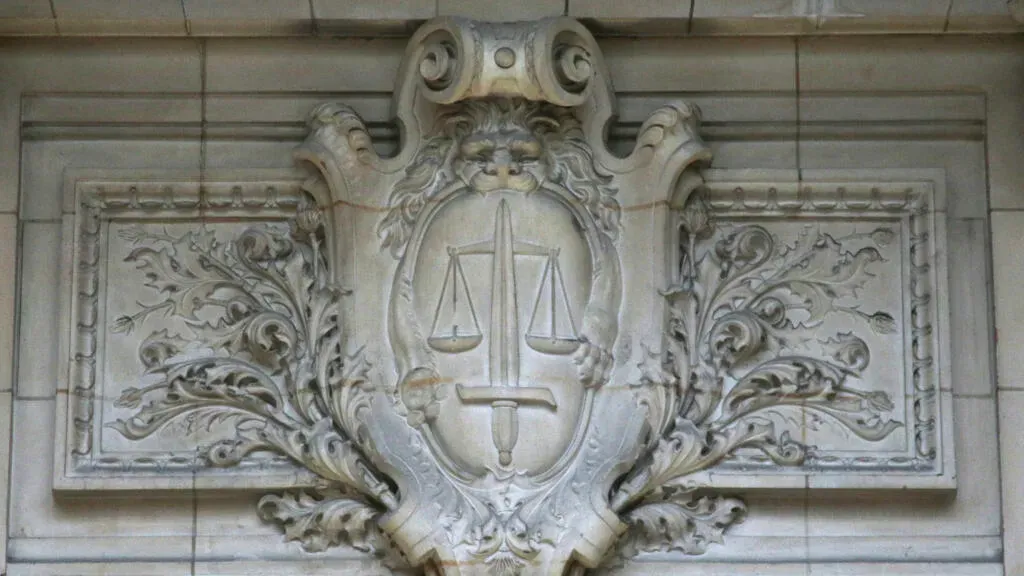
The trial links organized-crime allegations to elite networks. The venue matters. Prosecutors now have to prove structure, not just association. The public record will be tested in court. Paris judges on March 30, 2026, convened a high-stakes trial for 22 individuals accused of operating a criminal syndicate within a local Masonic lodge. Athanor, the organization at the center of the probe, allegedly enabled contract killings and assaults from its base in Puteaux. Defendants include former French intelligence agents, active police officers, and military personnel who reportedly used their specialized skills to execute private vendettas. Seven of these suspects face life imprisonment for their roles in a series of violent conspiracies that shook the French security establishment.
Puteaux investigators began unraveling the network after a botched assassination attempt on a security consultant led to the discovery of a broader hit list. France maintains strict laws regarding the conduct of secret societies, yet prosecutors allege the Athanor lodge functioned as a mafia-style front. Intelligence agents from the DGSE and DGSI reportedly provided tactical support and surveillance for the group. This internal corruption allowed the network to bypass traditional law enforcement detection for several years.
Prosecutors describe the lodge as a sanctuary for illicit deals between businessmen and state actors. Specifically, the group is accused of murdering a private coach and planning multiple other attacks on high-profile targets. Evidence suggests that financial compensation for these hits was funneled through shell companies managed by the defendants. 22 suspects now occupy the courtroom benches as the judiciary attempts to determine the scale of this collaboration.
Athanor Lodge Operations in Puteaux
Lodge members met in the affluent suburb of Puteaux, a district known for its corporate towers and proximity to the La D)fense business hub. Recruitment often targeted individuals with access to state secrets or physical force, creating a potent mix of legal immunity and lethal capability. Leaders within Athanor allegedly leveraged their Masonic connections to recruit soldiers and police officers who felt disillusioned with their official roles. These recruits transitioned into a shadow world where state resources were repurposed for criminal gain.
Surveillance records indicate that the lodge hierarchy mirrored military structures to ensure operational security. Orders flowed from a central command consisting of former intelligence veterans and wealthy business interests. Payment for these operations often involved cash deliveries or professional favors within the private security sector. Witnesses claim the lodge used its prestigious reputation to mask the violent nature of its subterranean activities. The French government have since suspended the lodge's charter.
"Twenty-two people are to stand trial in France from Monday on charges of murder and other serious crimes centred on a masonic lodge accused of running hit squads," a spokesperson for the prosecution confirmed during the opening session.
Chronologically, the most meaningful crime attributed to the network involves the targeted killing of a racing driver who had fallen into a dispute with a lodge member. Gunmen used specialized training to execute the hit in broad daylight. Police later found the murder weapon in storage facility linked to an active duty soldier. This discovery provided the first concrete link between professional state actors and the Athanor syndicate.
Intelligence Agents and Military Personnel Charges
Intelligence operatives allegedly used classified databases to track the movements of their intended victims. Access to state-level surveillance technology gave the Athanor network a distinct advantage over standard criminal organizations. Several defendants previously worked in sensitive roles within the Ministry of the Interior, granting them knowledge of police response times and investigative protocols. Such expertise was used to clean crime scenes and intimidate potential witnesses into silence. The trial will focus on how these state-funded skills were redirected toward criminal enterprise.
Military veterans involved in the case faces separate charges related to the illegal possession of tactical weaponry. Arms caches found during raids included high-caliber rifles and explosives typically reserved for elite commando units. Defense attorneys argue that the defendants believed they were acting on behalf of informal state interests rather than a private mafia. Judges must now parse the difference between rogue operations and organized crime within the security services. Judicial proceedings are expected to last for several months.
On another front, the involvement of police officers suggests a systemic failure in internal background checks and monitoring. These officers allegedly provided the hit squads with legitimate badges and marked vehicles to enable their movements across Paris. Such access allowed the network to operate with near-total impunity during the height of its activity. Administrative reviews of the Paris police department are ongoing. The court has summoned high-ranking officials to testify regarding these security lapses.
Murder and Conspiracy Allegations in Paris Court
Murder charges dominate the legal proceedings as prosecutors present forensic evidence linking the defendants to multiple cold cases. Ballistics reports and DNA samples retrieved from various crime sites form the backbone of the state's argument. Investigators also analyzed thousands of encrypted messages exchanged on platforms used by the intelligence community. These logs detail the planning phases of several attempted murders that were foiled by police intervention. The complexity of the evidence requires testimony from numerous expert witnesses.
Businessmen named in the indictment reportedly paid hundreds of thousands of euros to have competitors or personal enemies removed. These clients viewed the Athanor lodge as a bespoke service provider for problems that the legal system could not resolve. Financial investigators traced these payments through a maze of international bank accounts designed to obscure the source of the funds. The trial seeks to expose the entire ecosystem of the Athanor mafia. Sentences for conspiracy to commit murder carry a maximum of 30 years in prison.
Judges are scrutinizing the role of the lodge grandmaster who reportedly sanctioned the violence. This individual maintains his innocence, claiming that the criminal activities were the work of a rogue faction within the organization. However, prosecutors argue that the entire lodge infrastructure was repurposed to support the hit squads. Records show that lodge dues were frequently used to purchase surveillance equipment. The prosecution is expected to rest its case by mid-April.
French Criminal Trial Stakes
The trial will test whether prosecutors can connect alleged criminal acts to a wider organization without relying on reputation alone. That distinction matters in a case built around networks, secrecy and influence.
Public attention will remain high because the allegations reach beyond a single defendant. The court process has to separate evidence from association if the verdict is to carry legitimacy.