Donald Trump placed Iranian oil infrastructure at the center of the administration's pressure campaign. On March 30, 2026, he said Washington was prepared to seize assets tied to Iran's oil exports and uranium stockpiles if Tehran refused to yield.
$116 a barrel became the trading price for Brent crude in early Monday sessions after the announcement. Asian stock markets dropped sharply as investors factored in the possibility of a total shutdown of the Strait of Hormuz. Analysts at several global investment banks noted that a direct occupation of Iranian territory would disrupt global energy flows for years. Markets in Tokyo and Seoul recorded their steepest daily declines since the previous decade. Trade at the New York Mercantile Exchange showed similar patterns of distress during pre-market hours.
Kharg Island and Global Energy Security
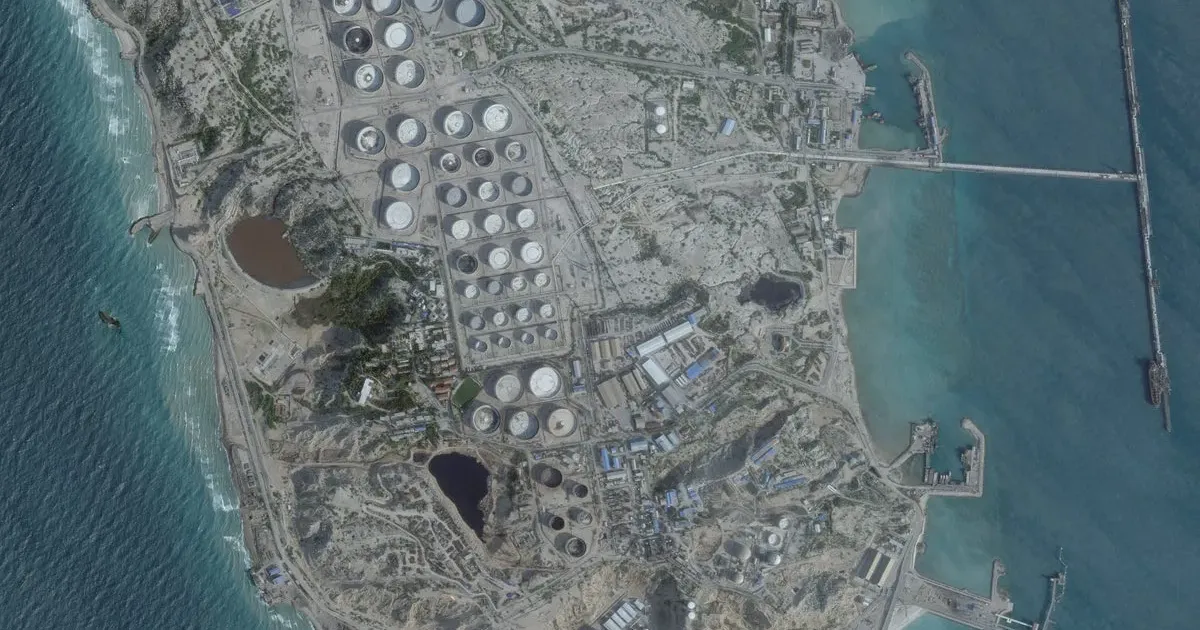
Kharg Island acts as the central nervous system for the Iranian energy sector. Located 25 kilometers off the coast of Iran, the island houses huge storage tanks and deep-water loading berths capable of handling supertankers. Military planners in the Trump administration view the site as the most effective choke point to neutralize Iranian economic power without a full-scale invasion of the mainland. Control of this hub grants the occupying force absolute veto power over where and when Iranian crude enters the world market. Satellite imagery confirms that several tankers currently sit idle near the terminal berths.
Historically, Kharg Island has been a target in regional conflicts, including the eight-year war between Iran and Iraq in the 1980s. Security experts in London observe that the current threat level exceeds any previous period of tension. Previous administrations avoided direct seizure due to the risk of environmental catastrophe and international legal repercussions. President Trump characterized the potential moves as a sign of respect from Iran while concurrently threatening to take the resources. Current naval deployments include the USS Abraham Lincoln carrier strike group positioned just outside the Persian Gulf.
“I want to take the oil in Iran,” Donald Trump stated during a briefing on the escalating military situation in the Persian Gulf.
Simultaneously, the administration confirmed that Iranian officials may allow more oil ships through the Strait of Hormuz to de-escalate tensions. Negotiators in Geneva describe the situation as a high-stakes game of maritime chicken. Vessels belonging to the Iranian Revolutionary Guard Corps continue to monitor shipping lanes with armed speedboats. Several commercial shipping lines have already diverted their fleets around the Cape of Good Hope to avoid the area. Insurance premiums for vessels entering the gulf has reached five percent of hull value.
Uranium Extraction and Military Logistics
Special operations units are reportedly preparing for a high-risk mission to secure Iranian uranium stockpiles. Donald Trump claim that Tehran will eventually hand over what he calls nuclear dust as part of a final peace settlement. Technical experts at the International Atomic Energy Agency expressed concern over the safety of transporting enriched material during an active conflict. The logistics of moving tons of sensitive material from underground sites like Natanz or Fordow require specialized containment units. US troops would need to maintain a corridor of control through hostile territory to extract the barrels. Rising tensions have led to repeated warnings about potential military action against critical Iranian oil facilities.
Later reports indicated that the uranium seizure is intended to prevent the development of a nuclear warhead during the ongoing war with Israel. Israel continues its aerial bombardment of Iranian military infrastructure including radar sites and missile silos. Jerusalem has not officially commented on the American plan to seize Kharg Island. Intelligence sources in the region suggest that Israeli officials were briefed on the oil seizure plan three weeks ago. Coordination between the two allies involves shared satellite data and mid-air refueling support for long-range strikes.
Specifically, the term nuclear dust refers to the residual enriched material left in centrifuges after processing. Removing this material would effectively reset the Iranian nuclear clock to zero. Military analysts suggest that such an operation would involve the 101st Airborne Division and specialized nuclear response teams. Transporting these materials out of the country involves serious risks of interception by local militias. The White House maintains that any extraction would follow strict safety protocols to avoid radiological contamination.
Financial Market Reaction to Conflict Escalation
Financially, the impact of these threats extends beyond the energy sector. The 2% rise in Brent crude prices early Monday indicates a broader trend toward commodity inflation. Companies in the transportation and manufacturing sectors face rising costs that could be passed on to consumers by the second quarter. Treasury yields moved higher as investors sought the safety of government bonds. Currency markets saw the US dollar strengthen against the euro and the British pound. Global supply chains already strained by shipping delays face a new period of uncertainty.
Technically, the seizure of a foreign nation's sovereign assets through military force is a rare occurrence in modern history. Legal scholars in Washington are debating the domestic authority the president holds to order such a move. Some advisors suggest that the International Emergency Economic Powers Act provides the necessary framework. Others argue that a formal declaration of war would be required to legalize the occupation of Kharg Island. This move would likely face challenges in the United Nations Security Council from permanent members like China and Russia.
Regional Stability and the Strait of Hormuz
Geopolitically, the move to take the oil could alienate regional partners who rely on stable energy prices. Countries in the European Union have expressed private reservations about the escalation of the conflict. However, the Trump administration remains focused on a maximum pressure strategy to force a diplomatic capitulation. Tehran has responded by increasing its military presence along its southern coastline. Anti-ship missile batteries are reportedly being deployed in the mountains overlooking the strait. The risk of a miscalculation on either side is at its highest point in forty years.
Locally, the residents of Kharg Island and nearby coastal towns face the immediate threat of combat operations. The island is not only a terminal but also a community with residential areas for oil workers and their families. Evacuation orders have not yet been issued by the Iranian government. Civilian maritime traffic in the area has slowed to a crawl. Coastal defense units have been placed on high alert as American destroyers move closer to the territorial water limits.
Does the seizure of a sovereign energy hub represent the ultimate endgame of transactional diplomacy or merely a reckless move for short-term leverage? Donald Trump has long argued that American military power should be financed by the resources of the territories it occupies. By targeting Kharg Island, the administration attempts to weaponize the global energy supply-chain against its primary adversary. Critics will likely view this as a violation of international norms, yet the current geopolitical landscape cares little for traditional conventions of sovereignty.
This approach essentially turns the United States military into a private security firm for the global oil market. If the plan to extract uranium material succeeds, it would remove Iran's primary deterrent without requiring a full-scale regime change operation. The financial markets are already pricing in the volatility of such a move, with Brent crude reflecting the high cost of aggressive interventionism.
Whether the American public supports another boots-on-the-ground resource grab in the Middle East is irrelevant to the current strategy. Power, in this administration, is measured by the real control of physical assets. The world is watching a literal resource war unfold in real time. Total and absolute control is the one final goal.