Phnom Penh attracted a record number of high-net-worth international travelers on April 4, 2026, marking a serious evolution in the city's status within the regional hospitality sector. Once regarded as a mere stopover for tourists en route to the temples of Angkor Wat, the Cambodian capital now commands attention as a primary destination for connoisseurs of art, architecture, and gastronomy. Urban development projects have transformed the skyline, yet the core of the city retains a distinct French colonial character that differentiates it from the glass-and-steel homogeneity of Bangkok or Ho Chi Minh City. The tourism figures showed Phnom Penh moving beyond stopover status.
Revenue from luxury tourism in the capital increased by 18 percent over the previous fiscal year, according to data from the Ministry of Tourism. This influx of capital has spurred the restoration of heritage sites and the opening of ultra-high-end boutiques along the riverside. Foreign investment, particularly from regional neighbors, continues to fund enormous infrastructure projects that aim to modernize the city's transport networks by 2028.
Raffles and Rosewood Lead Hospitality Sector Growth
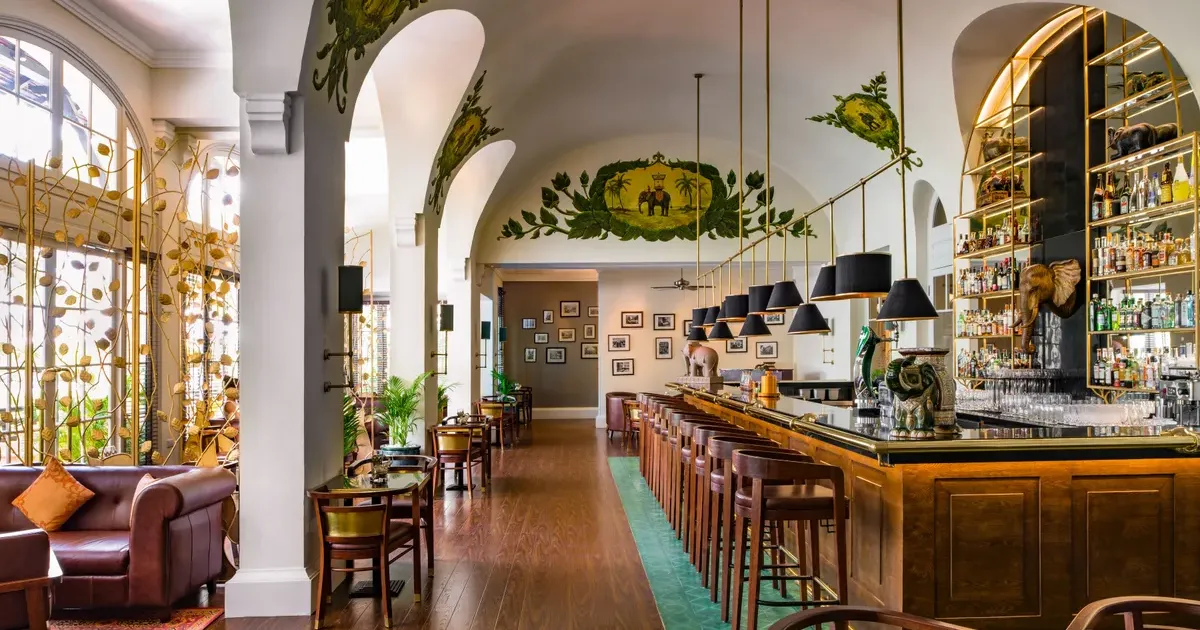
Luxury accommodations in the city are currently defined by a sharp contrast between heritage charm and vertical modernity. Raffles Hotel Le Royal remains the foundation of the city’s historical identity, having hosted dignitaries and celebrities since its opening in 1929. Restoration efforts have preserved the original terrazzo floors and the iconic Elephant Bar, where the Femme Fatale cocktail remains a signature offering. Management at the property reports that occupancy rates for premier suites have reached pre-pandemic levels, driven largely by American and European travelers seeking authentic colonial aesthetics.
Across the street from the traditional low-rise structures, the Vattanac Capital Tower houses the Rosewood Phnom Penh, which occupies the top 14 floors of the tallest building in the city. Guests at this altitude experience a panoramic view of the Mekong River junction, a sight that was unavailable to luxury travelers just a decade ago. The cantilevered Sora bar has become a focal point for the city’s growing expatriate elite and affluent locals.
Competition between these two hospitality giants has forced a rise in service standards across the entire district. Smaller boutique hotels are now adopting personalized butler services and privately curated tours to remain competitive. Many of these establishments occupy refurbished villas from the 1950s and 1960s, reflecting the New Khmer Architecture movement. Developers have realized that the city's historical layers are its most valuable asset in attracting the global connoisseur class. Precise attention to detail in room design often incorporates silk from the weaving provinces of Takeo and ceramics from local artisans.
Architectural Preservation Challenges in Phnom Penh
Vann Molyvann, the visionary designer of the post-independence era, left a legacy of concrete structures that combined modernism with traditional Khmer elements. Preserving these sites has become a point of contention between conservationists and commercial developers. While the Independence Monument and the National Sports Complex are protected, many residential examples of New Khmer Architecture have been demolished to make way for condominiums. Activists from the Heritage Watch group have documented the loss of at least a dozen meaningful structures in the Daun Penh district over the last three years.
Preservationists argue that these buildings represent the soul of the city’s intellectual history. They contend that destroying them undermines the very cultural depth that attracts high-end travelers. Some developers have begun to integrate old facades into new designs, though critics often label this as superficial window dressing. Modern skyscrapers now dwarf the Royal Palace, creating a visual tension between the city's monarchy-rooted past and its capitalist future. Phnom Penh’s evolution is part of a broader shift within the regional hospitality sector as luxury travel trends expand.
The Royal Palace complex itself continues to be the primary architectural draw for first-time visitors. Its Silver Pagoda, floor tiled with five tons of solid silver, is a repository for national treasures including a life-sized gold Buddha. Maintenance of these delicate structures requires specialized craftsmen whose skills are passed down through generations. Government funding for the palace upkeep has increased by 15 percent to ensure the site meets international standards for cultural heritage management. Visitors often spend hours in the adjacent National Museum, which houses the world's most significant collection of Khmer sculpture.
Culinary Innovation Drives Regional Tourism Interest
Gastronomy has become a major foundation of the city’s luxury appeal, moving far beyond basic street food offerings. Luu Meng, Cambodia’s most celebrated chef, has been instrumental in the revival of forgotten palace recipes through his restaurant, Malis. His approach involves sourcing rare ingredients like Kampot pepper and fermented fish from specific villages to ensure authentic flavors. This focus on provenance mirrors the farm-to-table movements in London and New York, appealing to travelers who value provenance and technique.
Fine dining establishments in the capital now frequently appear on regional best-of lists, challenging the dominance of Singaporean and Thai restaurants. The integration of French techniques with indigenous ingredients creates a unique fusion that characterizes the modern Phnom Penh dining scene. Diners can expect to find dishes like slow-cooked wagyu beef in a traditional Saraman curry sauce. Local diners have also embraced these upscale venues, with the domestic middle class accounting for 40 percent of weekend bookings.
Bassac Lane has evolved from a quiet residential alley into a sophisticated nightlife district featuring micro-bars and speakeasies. Each venue in this enclave focuses on a specific niche, from infused gins to craft beers brewed with local lemongrass. Unlike the chaotic nightlife of the riverside, Bassac Lane offers a more controlled and exclusive atmosphere. Investors have poured $45 million into the redevelopment of this micro-district over the last five years. High-end cocktail bars like Le Boutier pay homage to the golden age of Cambodian rock and roll from the 1960s.
Phnom Penh Turns Luxury Toward Local Identity
Phnom Penh's luxury push is strongest when it ties new spending to local history. Hotels, restaurants and restored buildings can raise the city's profile, but the appeal depends on keeping the capital from becoming a generic high-end stop.