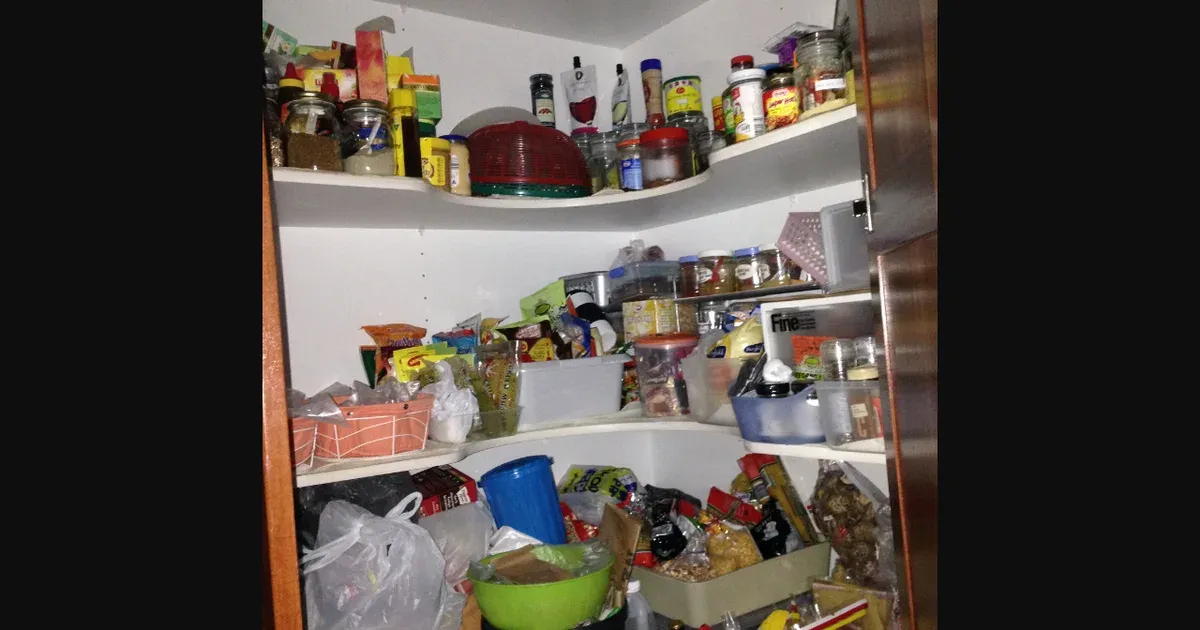
April 7, 2026, marks the release of new industry guidelines from MindBodyGreen designed to streamline residential management as the professional organizing sector continues its rapid expansion. Analysts estimate the global home organization market has reached a valuation of $12 billion annually. This surge correlates with shifting domestic habits and a renewed focus on living spaces as multi-functional hubs for work and leisure. Professional organizers suggest that successful home management depends more on psychological preparation than on the purchase of specialized storage equipment.
Experts argue that the first step in any systemic change involves strict categorization of existing possessions. Instead of tackling entire rooms, specialists recommend sorting items by type to reveal redundant inventory. Seeing every sweater or kitchen utensil in one pile forces a confrontation with the sheer volume of excess. National Association of Productivity and Organizing Professionals data indicates that most households possess three times more items than they frequently use. Sorting provides the necessary visual evidence to justify disposal.
Professional Organizers Outline Functional Sorting Methods
Effective sorting relies on a binary decision-making process to avoid the trap of indecision. Items typically fall into categories of immediate utility or sentimental value. When these two classifications overlap, the emotional weight of an object often prevents its removal. Experts suggest that physical items should not serve as the sole repository for memories. A photograph of a sentimental object frequently satisfies the emotional need while reclaiming valuable square footage. Efficiency increases when homeowners acknowledge that an object is not the memory itself.
Storage limitations must dictate the volume of possessions rather than the other way around. If a designated shelf for books is full, the acquisition of a new title requires the removal of an old one. This concept, often called the container principle, establishes a natural limit on consumption. Using physical boundaries prevents the slow creep of clutter into living areas. It turns the house into a vessel with a fixed capacity. Every square inch of floor space carries a specific real estate cost.
Establishing a specific purpose for every zone in a house prevents multi-room drift.
Kitchen counters often become a default collection point for mail, keys, and miscellaneous electronics. Designating a specific landing strip for these items ensures they do not colonize surfaces intended for food preparation. Research suggests that visual clutter on surfaces increases cortisol levels in residents. Minimizing visual noise through cleared surfaces promotes a more restorative home environment. Discipline in maintaining these zones separates successful organizers from those who cycle through temporary fixes.
Psychological Barriers Complicate Domestic Material Reduction
Decision fatigue frequently stalls progress during large-scale cleanup efforts. Psychologists note that the endowment effect causes individuals to overvalue an item simply because they own it. Overcoming this bias requires a shift in perspective from what is being lost to what is being gained for space and mental clarity. Experts recommend limiting sessions to ninety minutes to maintain sharp cognitive performance. Prolonged sorting leads to erratic choices or total abandonment of the project. Fresh eyes see clutter that has become invisible through daily exposure.
The cost of keeping an item is often higher than the cost of replacing it. Inventory management requires acknowledging the hidden taxes of clutter, such as cleaning time, mental stress, and the physical space occupied. If an item has not been used in twelve months, the probability of future use drops to less than five percent. Statistics from insurance adjusters show that 67 percent of garage space is used for storage instead of vehicle protection. Reclaiming that space provides immediate real benefits to the homeowner.
Clutter is not just physical stuff; it is old ideas, toxic relationships, and bad habits that no longer serve you, according to a spokesperson for MindBodyGreen.
Many homeowners struggle with the perceived waste of discarding expensive items. Professional organizers counter this by noting that the money was spent the moment the item was purchased. Keeping a useless object does not recover the initial investment. Recouping value through resale is an option, but it often creates a new form of clutter known as the to-sell pile. If an item is not sold within thirty days, it should be donated to ensure the cycle of accumulation is broken. Speed of removal is a critical metric for success.
Inventory Control Logic Drives Modern Home Management
Applying industrial inventory logic to a domestic setting prevents the recurrence of clutter. The one-in, one-out rule acts as a primary filter for all new acquisitions. For every new item that enters the home, an equivalent item must depart. This creates a zero-sum game that forces a pause before every purchase. Consumers find they are more selective when they know a new acquisition requires a sacrifice. Quality eventually replaces quantity as the primary purchasing criterion. Durable goods stay in the home longer while disposable items are eliminated.
Consistent maintenance prevents the need for enormous, overwhelming overhauls.
Spending fifteen minutes each evening resetting the house ensures that small messes do not accumulate into meaningful projects. The daily audit identifies items that have drifted from their designated zones. Successful organizers treat their homes like high-performance environments where every tool has a shadow board location. When everything has a home, putting things away becomes a subconscious habit. Mastery of the daily reset is the difference between a tidy house and a managed one. Chaos grows in the absence of a structured return-to-center routine.
Labels serve as a communication tool for every member of the household. While a primary organizer might know where everything belongs, other residents often contribute to clutter through ignorance of the system. Clear labeling on bins and shelves removes ambiguity about where an item should be returned. It creates an external memory for the household. Even simple systems fail when they rely solely on the memory of one person. Labels democratize the responsibility of maintaining order across the entire family unit.
Sustainability Trends Influence Household Disposal Decisions
Disposal methods have evolved to reflect a mounting concern for environmental impact. Instead of sending excess items to landfills, modern organizers prioritize circular economy solutions. Textile recycling programs and specialized electronics recyclers handle items that are no longer fit for donation. Responsible disposal reduces the guilt associated with decluttering. Homeowners feel more comfortable releasing items when they know the materials will be repurposed. Waste management is now a core component of the professional organizing curriculum.
Retailers have responded to this trend by offering more modular and sustainable storage solutions. High-quality materials like bamboo, steel, and glass are replacing cheap plastics in high-end organization plans. These materials offer longevity and aesthetic consistency that contribute to a sense of order. Investing in permanent infrastructure encourages a long-term commitment to the system. Cheap bins often break or look cluttered themselves, which undermines the original goal. Durability in storage mimics the desired durability of the home system itself.
Community-based sharing economies provide an alternative to individual ownership for rarely used tools. Neighborhood tool libraries and rental services allow residents to access specialty items without needing to store them permanently. The shift from ownership to access is a serious trend in urban decluttering. It reduces the inventory burden on individual households while maintaining the ability to perform maintenance or hobbies. Sharing resources is a logical extension of the minimalist philosophy. Community trust replaces the need for a crowded basement.
The Elite Tribune Strategic Analysis
Does the relentless pursuit of an organized home actually solve our obsession with consumption, or does it merely provide a more aesthetic way to store our greed? The growing professional organizing industry often feels like a secondary market for overconsumption. We buy too much, then we pay experts to tell us how to throw it away, and then we buy expensive bins to house what remains. It is a cynical cycle that favors the container manufacturer more than the homeowner. True organization is not about the perfect label or a color-coded closet; it is about the violent rejection of the need for more.
Society currently treats the symptom of clutter instead of the disease of acquisition. If we were truly successful at home management, the professional organizing industry would be shrinking, not expanding into a twelve-billion-dollar giant. We have turned the act of cleaning into a lifestyle brand, complete with its own celebrities and high-margin product lines. The commodification of minimalism is the ultimate irony of the modern age. We are now being sold the idea of having less through a series of expensive transactions.
The verdict is clear: your house will never be organized until your appetite for new things is broken.