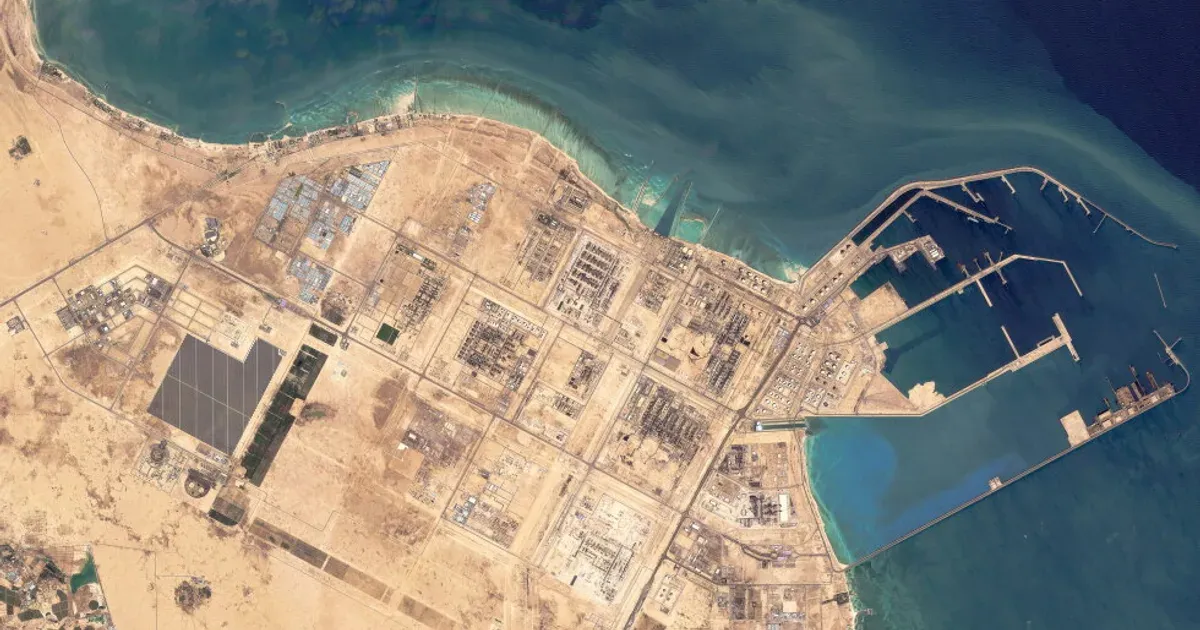
A deadly explosion at one of Qatar's most important gas facilities has turned a local industrial accident into a wider energy-market watchpoint. The blast happened on June 21, 2026, at the Barzan gas facility in the Ras Laffan industrial area as workers were trying to restart operations, according to the Associated Press. Qatari officials said at least 13 people were killed and 66 were injured.
Energy Minister Saad Sherida al-Kaabi described the incident as an accident, not sabotage, and said Qatar's gas exports and domestic supply were not expected to be disrupted. That distinction matters because Ras Laffan is central to Qatar's liquefied natural gas system and to global buyers watching supply after months of regional strain. The restart setting is important. Accidents during restart phases can expose weaknesses that are less visible during steady operations: pressure changes, equipment sequencing, temporary work crews and compressed maintenance schedules. Investigators will need to determine whether the blast came from a specific process failure or from conditions created by the wider restart.
Barzan is especially sensitive because it supplies gas for domestic electricity and water desalination as well as sitting inside the broader export complex. That means the incident is not only about cargoes leaving Qatar; it is also about the resilience of infrastructure that supports daily power, cooling and water systems.
What Officials Said About the Blast
The AP reported that the facility had been moving through a restart process after earlier conflict-related disruption. Officials said the fire followed a technical incident, while the full damage assessment was still developing. Ras Laffan is not an ordinary industrial zone. It is a core part of Qatar's gas export infrastructure, and Qatar remains one of the world's most important LNG suppliers. Even when authorities say exports are unaffected, traders and governments watch closely for delays, maintenance changes or safety restrictions.
The casualty toll also gives the story a human and labor dimension. Many workers in Gulf energy facilities are foreign nationals, and AP reported that the dead included workers from India and Pakistan while the injured included people from several countries. That labor mix means the aftermath will not be measured only by production data. Families, embassies and contractors will look for identification timelines, compensation procedures and evidence that safety rules were followed during the restart. Those details often shape public trust long after flames are out.
LNG Markets Watch Restart Risk
The key market issue is whether the explosion slows the return of capacity rather than whether it immediately shuts exports. A facility can keep national supply commitments intact while still creating operational friction, especially if inspections, repairs or safety reviews take longer than expected.
Buyers will therefore look for evidence beyond official reassurance. Port activity, tanker schedules, maintenance notices and statements from joint-venture partners can all show whether the restart remains on track. In LNG markets, the perception of delay can move prices before a missed cargo confirms it. Qatar LNG supply carries geopolitical weight because importers in Asia and Europe use Qatari cargoes to manage both price risk and energy security. Any disruption signal from Ras Laffan can affect expectations before it changes physical delivery.
That is why official language will be tested against shipping data, plant restart timelines and buyer updates. If cargo schedules hold, the incident may remain a tragic but contained industrial accident. If maintenance windows stretch, markets could price in a tighter recovery period. Industrial accidents at export hubs also have a signaling effect. They remind buyers that energy security depends on plant safety as much as shipping lanes, military deterrence or diplomatic guarantees.
The accident also arrives as importers are already balancing weather demand, storage levels and regional risk. A single incident at Ras Laffan may not change the physical market by itself, but it adds another variable to procurement decisions that were already cautious. For Qatar, a transparent investigation is part of the supply story. If officials can explain the failure and show that restart procedures have been tightened, the incident is more likely to remain contained. If the cause stays vague, buyers may keep pricing operational risk into an already tense market.
The strategic pressure is that Qatar's gas role sits at the intersection of domestic infrastructure, regional conflict risk and global energy dependence. The country can reassure buyers, but the credibility of that reassurance depends on visible continuity: safe operations, stable cargoes and a clear explanation of what failed at Barzan.