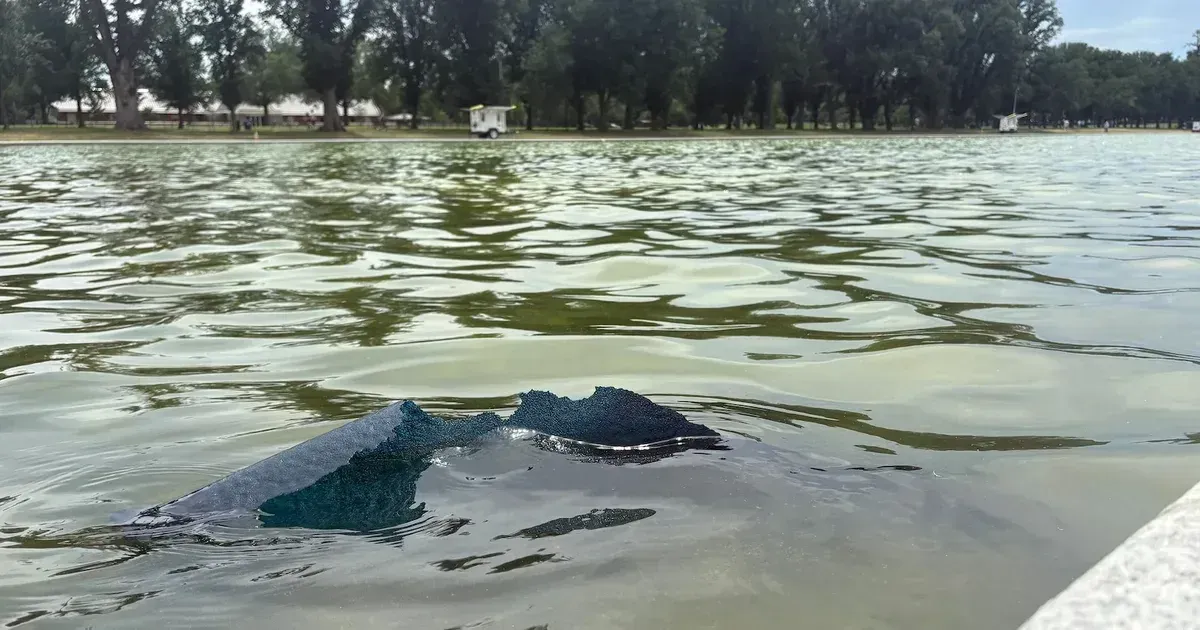
The Lincoln Memorial Reflecting Pool is facing a new round of scrutiny after reports of green algae and peeling sealant followed a high-profile renovation. The problems have turned a symbolic Washington landmark into a test of maintenance, contracting and public expectations before major national celebrations. The pool is meant to frame national memory; when it turns green or sheds material, visitors see the failure before officials can explain the engineering.
ABC News reported on June 19, 2026, that parts of the newly installed blue material at the bottom of the pool appeared to be peeling away. CBS News reported visible rips in the new sealant after algae again turned the water green.
The Reflecting Pool renovation was intended to improve the landmark's appearance and address long-running water problems. Instead, the quick return of algae has raised questions about whether the work solved the underlying conditions or simply changed the pool's surface color. Warm weather, shallow water and sunlight can all fuel growth, but that makes the design assumptions more important, not less.
A Landmark Problem Becomes Visible
The Reflecting Pool is not a hidden infrastructure asset. It is photographed constantly, used in official imagery and visited by people who often experience the National Mall through its most recognizable views. That makes every discoloration, repair patch or floating fragment part of the public assessment. It sits between the Lincoln Memorial and the Washington Monument, which means even routine maintenance problems become public images almost immediately.
That visibility is why the algae matters politically as well as practically. Tourists, photographers and television crews do not need technical reports to notice that the water is not delivering the clean civic image the project promised. A green pool undercuts the point of a cosmetic upgrade, especially when the renovation was promoted around a vivid blue finish and improved visitor experience.
A renovation meant to make the pool more photogenic has instead made its maintenance problems harder to ignore.
The Guardian reported earlier this week that algae had returned after the renovation, while National Park Service workers were seen trying to clear the water. The latest reports add a second concern: whether the new coating or liner is holding up.
Sealant Questions Add a Material Risk
Algae alone can be blamed on heat, nutrients, water chemistry and timing. Peeling material is different. If the surface treatment is failing, officials may have to answer whether the specification, installation or preparation was adequate. They may also need to say whether repair work can happen without draining or disrupting the pool again during the busiest public period of the year.
Peeling sealant also changes the maintenance calculus. Cleaning algae from water is one problem; repairing or replacing a recently installed surface is another. The second can be more expensive, more disruptive and harder to explain.
ABC described visible pieces of the blue material above the surface of the water. CBS reported rips in the sealant. Those observations do not by themselves establish the final cause, but they do create a factual basis for inspection and public questions.
The Timing Makes the Issue Larger
The pool's condition matters because Washington is preparing for high-visibility events tied to the nation's 250th anniversary. A landmark meant to frame civic ceremony now risks becoming a visual symbol of rushed or ineffective work.
The immediate fix may be cleaning, repair or a more detailed engineering review. A more durable answer will require officials to separate cosmetic goals from water-management realities. A deep blue surface may photograph well when the pool is clean, but the system still has to account for algae growth, heat, stormwater, chemical treatment and the wear that comes with a shallow outdoor basin. The larger fix is transparency. Officials need to explain what was installed, why it is behaving this way and whether taxpayers will face another round of costs. That is the real accountability test. A public landmark can survive algae and repair crews. It is harder to recover from the impression that an expensive renovation produced visible failure almost as soon as visitors returned. For a landmark this visible, maintenance is not just a facilities issue; it becomes part of the public record of how government handles symbolic spaces.