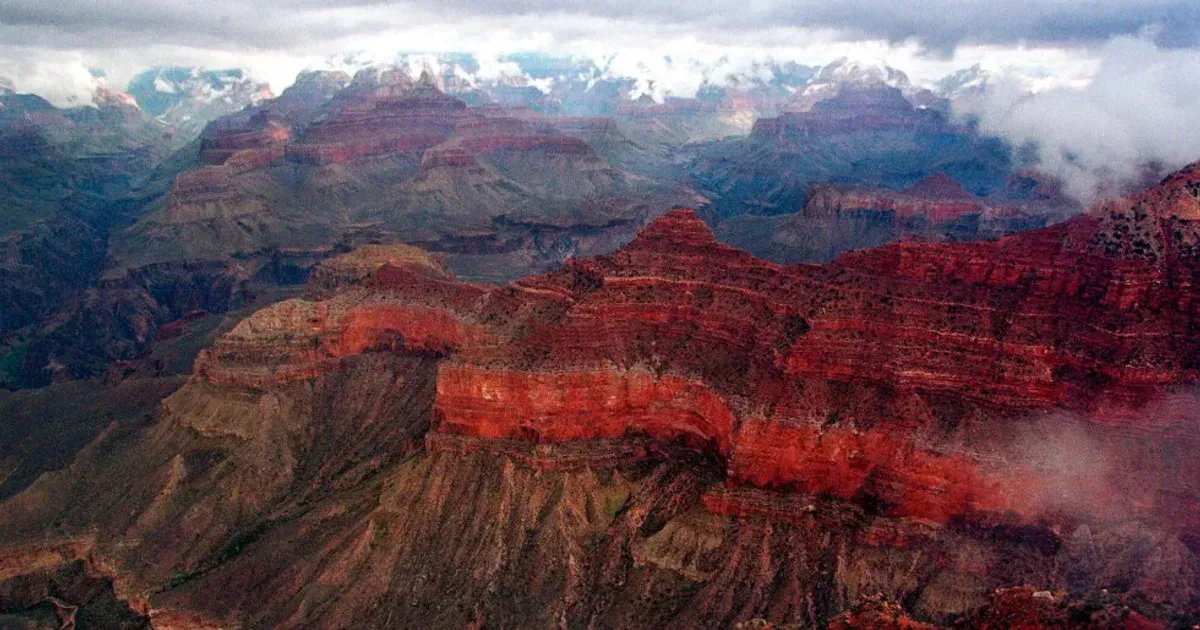
Three hikers have died from suspected heat-related illness in Grand Canyon National Park, underscoring how quickly summer conditions inside the canyon can become deadly.
AP reported on June 20, 2026, that a 72-year-old man became ill on the South Kaibab Trail on June 12 and died before rescuers could reach him.
Four days later, a 67-year-old man and a 68-year-old woman died after apparent heat illness on the North Kaibab Trail.
The Grand Canyon heat deaths are a reminder that the inner canyon behaves differently from the rim. Temperatures can be far higher below, shade can be limited and the hardest part of many routes comes after hikers are already tired. The canyon also reverses the usual mountain logic: hikers often descend first, then face the most demanding climb when heat, fatigue and dehydration have already built up.
Rescue Speed Could Not Reverse the Heat
AP reported that rescue crews responded rapidly and used aerial support, but all three hikers were dead by the time help arrived. That detail matters because heat illness can move faster than even a strong emergency response in steep terrain. Once confusion, collapse or organ stress begins, minutes matter, and the distance between a patient and definitive care becomes part of the danger.
The canyon's geography adds time to every rescue. Trails can be narrow, steep and exposed, and a person in distress may be below the rim where cell service, shade and easy evacuation are limited. Even when rescue crews move quickly, the environment can control the clock. A hiker who becomes confused, stops sweating, collapses or cannot continue may be miles from a trailhead, and helicopter response can still depend on weather, landing conditions and exact location.
The safest rescue in extreme canyon heat is often the one that never has to be launched.
Park officials regularly warn visitors to avoid strenuous inner-canyon hikes during the hottest part of the day. Those warnings can sound routine until a week like this shows the margin for error is thin. Visitors may hear the same advice at many parks, but the Grand Canyon's inner trails create a distinct risk because people can commit to a descent before they fully understand the return climb.
Heat Risk Builds Before Hikers Notice
Heat illness is dangerous because early symptoms can be easy to dismiss. By the time a hiker recognizes that ordinary fatigue has become a medical emergency, judgment may already be impaired. Partners and group leaders therefore matter because they may notice confusion or weakness first. Fatigue, headache, dizziness and nausea may feel like normal exertion until the body's cooling system is already failing.
Inner canyon temperatures reportedly topped 109 degrees, according to AP. At that level, water alone is not always enough. People can drink and still overheat if they move too hard, too late in the day or without enough cooling time. Salt loss, direct sun and reflected heat from rock can compound the strain. Hikers also need timing, electrolytes, rest, shade, realistic route planning and the willingness to turn around before a schedule becomes a hazard.
The National Park Service has warned in separate summer notices that hiking in the canyon can expose visitors to extreme heat even when the rim feels manageable. The elevation change can make people underestimate the return climb, especially after descending in cooler morning hours.
Warnings Need to Become Decisions
The deaths will likely reinforce existing park guidance rather than create a brand-new rule. The hard part is turning posted advice into real choices by visitors who may have planned a once-in-a-lifetime hike and feel pressure to keep going.
Park safety messaging has to be blunt because the risk is physical, not symbolic. Avoiding midday trails, carrying enough water, resting in shade and choosing shorter routes are not cautious preferences; they are survival decisions in the inner canyon.
The tragedy also shows why summer hiking plans should be flexible. A trail that is reasonable in spring can become dangerous in June heat, and the canyon will not adjust its conditions to match a reservation, itinerary or personal goal. The safest plan is one that can be shortened without feeling like failure. In extreme heat, turning back early is not caution against adventure; it is the decision that keeps a hike from becoming a rescue call.