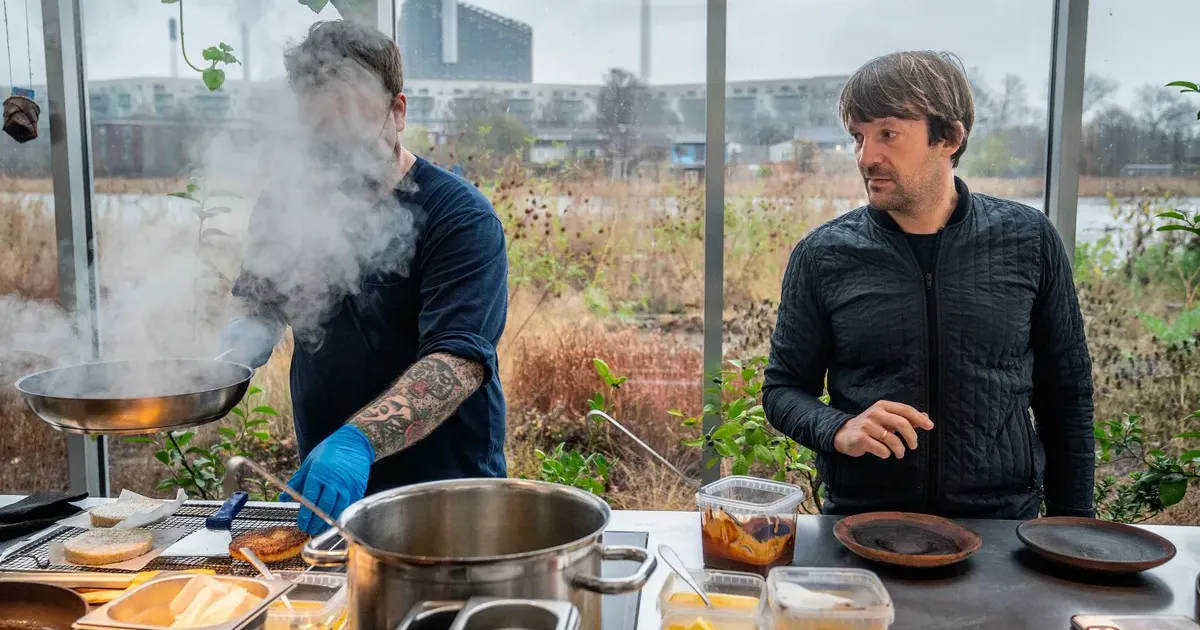
René Redzepi stepped down from his role at the helm of Noma on March 13, 2026. His decision arrived after months of internal turmoil and mounting public pressure regarding the treatment of his kitchen staff. For two decades, the chef reigned as the undisputed king of global gastronomy, but his departure marks a sudden end to an era for the Copenhagen institution. The restaurant consistently secured the top spot on world ranking lists while pioneering the New Nordic movement.
Reports of systemic bullying and physical intimidation within the kitchen began to surface in late 2025. Former employees described a culture where psychological pressure was used as a primary tool for motivation. Several junior chefs alleged that the drive for perfection resulted in a workplace that ignored basic human labor rights. These claims stood in contrast to the public image of a collaborative, nature-focused sanctuary for culinary innovation.
Copenhagen police have not yet announced a formal criminal probe. Still, the administrative fallout inside the Noma organization was immediate. Board members reportedly pushed for a leadership change to save the brand from total collapse. Redzepi had previously announced plans to transition the restaurant into a food laboratory known as Noma 3.0, but those plans now sit in limbo. The kitchen will cease operations temporarily while an interim management team takes over daily functions.
Noma Legacy and the Nordic Food Revolution
Redzepi transformed the culinary world by focusing on local, foraged ingredients. He replaced caviar and foie gras with moss, ants, and fermented berries. This shift forced every high-end restaurant on the planet to reconsider its supply chain. Investors poured millions into the Nordic region as food tourism became a primary economic driver for Denmark. The restaurant earned three Michelin stars and defined the aesthetic of the 21st-century dining room.
Critics often praised the chef for his intellectual approach to flavor. They celebrated his ability to turn a simple carrot into a $500 tasting course. But the labor required to produce such intricate dishes relied on a massive workforce of unpaid interns. These workers, known as stages, traveled from across the globe for the chance to work for free. Many lived in cramped conditions just for the prestige of a Noma line on their resumes.
Internal documents leaked to the press suggest that the pressure to maintain elite status created an unsustainable environment. Redzepi admitted in past essays to struggling with his temper, but recent allegations suggest the problem went far deeper than occasional outbursts. Staff members reported being prohibited from sitting or drinking water during twelve-hour shifts. One former pastry chef claimed that mistakes led to public humiliation in front of the entire kitchen crew.
Investigations Reveal Toxic Culture at World's Best Restaurant
Investigative reports published by local Danish media outlets interviewed over 40 former employees. Their testimonies painted a picture of a hierarchy built on fear rather than mentorship. One senior cook described an incident where Redzepi allegedly threw a hot pan across the room. Other accounts focused on the emotional toll of working in a space where any deviation from the chef's vision resulted in immediate termination.
Internal communications from 2024 showed that management was aware of these complaints. HR representatives allegedly discouraged victims from coming forward by citing non-disclosure agreements. Such agreements were standard for anyone entering the Noma system. Workers signed away their right to speak about internal operations in exchange for the professional cachet the restaurant provided. By contrast, other Michelin-starred kitchens in the region have begun moving toward more transparent labor practices.
The industry has reached a breaking point where the price of a Michelin star can no longer be the mental health of our youth.
The quote from an anonymous former sous chef reflects a growing sentiment across the European dining scene. Younger chefs are more and more unwilling to trade their well-being for a spot in a famous kitchen. In fact, many high-profile restaurants have struggled to staff their stations since the pandemic. Noma was not immune to these labor shortages, which only increased the pressure on the remaining staff members.
Financial Pressures and the Death of the Stage Model
Labor costs in Denmark are among the highest in the world. To remain profitable while charging high prices, Noma relied on the internship system for years. When the restaurant finally began paying its interns in late 2022, the financial model started to crack. Monthly expenses rose by nearly $50,000 to cover basic wages for the entry-level staff. This financial strain contributed to the decision to close the traditional dining room model in favor of the 3.0 version.
But the transition did not solve the cultural issues. Staff reported that even with pay, the expectations remained identical to the unpaid era. The focus on hyper-seasonal ingredients meant that workers often spent hours in the woods in freezing temperatures. They were expected to perform these tasks with the same precision as a surgeon. Success in the kitchen required a level of devotion that many now compare to a religious cult.
Meanwhile, the global fine dining industry is watching the Noma collapse with intense scrutiny. Other elite establishments in Paris, London, and New York face similar accusations of labor exploitation. If Noma cannot survive this scandal, it suggests that the entire model of labor-intensive tasting menus is nearing its end. Investors are already looking toward more casual, lasting business models that do not rely on a single charismatic leader.
Copenhagen Fine Dining Faces Uncertain Future
Redzepi was not merely a chef; he was the face of Danish culture for many international visitors. His departure leaves a massive hole in the local economy. Hotels and luxury travel agencies in Copenhagen report a decline in bookings following the announcement. For years, the city marketed itself around the Noma experience. Now, the tourism board must find a new narrative to attract high-spending gourmands.
Restaurants opened by Noma alumni are also feeling the heat. These chefs often use the same techniques and management styles they learned from Redzepi. In particular, the focus on intense discipline is now being questioned by investors and local regulators. Some of these spin-off restaurants have already issued statements distancing themselves from their former mentor. They are eager to prove that Nordic cuisine can exist without the toxic baggage associated with its founder.
The physical space at Refshalevej remains quiet as the staff evaluates their next moves. Redzepi has reportedly retreated to his private residence and has not issued a personal statement. His legal team is currently reviewing the terms of his exit package and any potential liability for the workplace claims. The $15 million brand value of Noma has plummeted since the news broke. This professional vacuum creates an opportunity for a new generation of chefs to redefine the standards of the industry.
The Elite Tribune Perspective
Why did anyone expect a kitchen run like a military junta to produce anything other than broken human beings? For decades, the culinary press worshipped at the altar of René Redzepi, ignoring the obvious reality that his "genius" was built on the backs of exploited youth. We collectively decided that a plate of beautifully arranged lichen was worth the psychological destruction of twenty-somethings who were too enamored with prestige to see the exit. Noma was never just a restaurant; it was a vanity project that prioritized aesthetic perfection over basic human decency.
The collapse of Redzepi is not a tragedy for the food world, it is a necessary pruning of a rotten branch. We must stop romanticizing the "tortured artist" trope in the kitchen, as if being able to ferment a grasshopper grants a man the right to act like a tyrant. If the fine dining industry cannot survive without abusing its workers, then let the whole structure burn. The future of food does not belong to the dictators of the tasting menu.
It belongs to anyone who realizes that a meal is not truly excellent if it was seasoned with the tears of a terrified intern. The era of the culinary god is over, and frankly, it is about time.