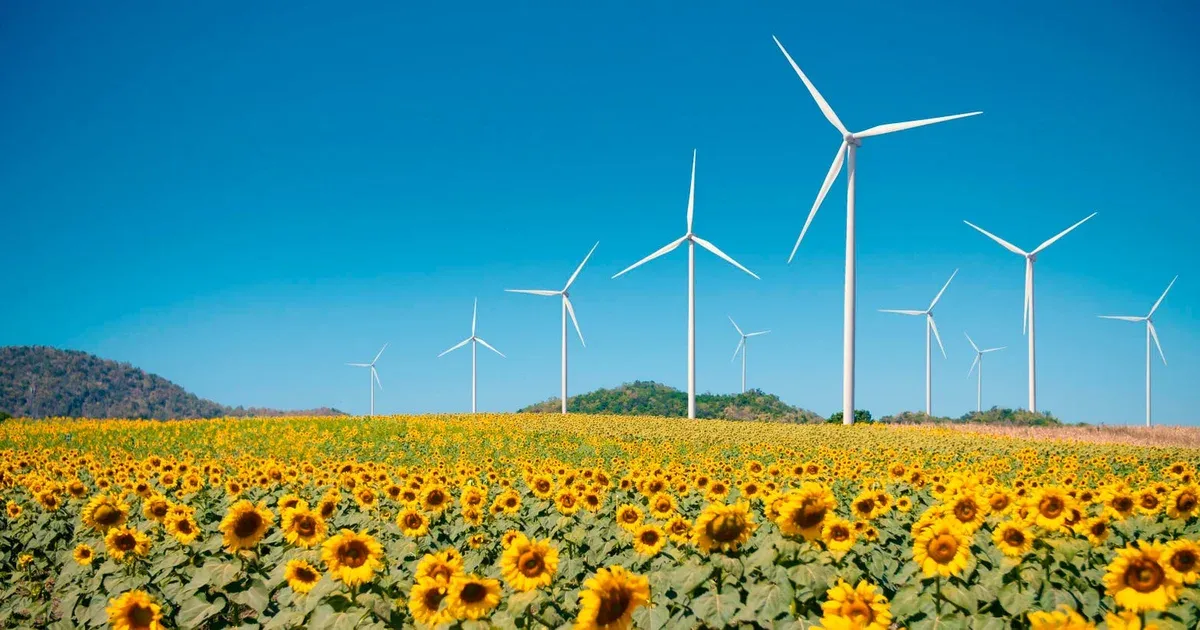
Global spending on renewable power is accelerating, but the next wave of wind and solar construction is forcing developers to account for more than carbon reduction. Projects that avoid fossil-fuel emissions can still fragment habitat, interrupt migration routes or expose birds and bats to equipment built in sensitive locations.
The investment scale came into focus on July 26, 2026. The International Energy Agency expects about $665 billion to be invested in renewable power projects this year, according to the RSS source, with roughly $365 billion directed to solar. That capital will add generating capacity, land requirements, transmission connections and years of construction activity across many ecosystems.
The comparison needs care. Fossil-fuel extraction, transport and combustion have imposed much wider damage on habitats and the climate, while renewable energy reduces one of the largest long-term threats to biodiversity. The emerging business problem is not an argument to stop clean power. It is a question of whether developers can build rapidly without turning preventable wildlife damage into a permitting, operating or reputational weakness.
Wind Risk Depends on Species, Route and Turbine Location
Bird collisions receive the most visible attention. Raptors such as golden eagles, griffon vultures and red-tailed hawks often fly at turbine height and cannot always adjust quickly around moving blades. Cranes, pelicans and large gulls can encounter the same danger along high-altitude corridors, while smaller songbirds may become disoriented during nighttime migration or poor weather.
Bats face two mechanisms. They can strike blades directly, or suffer barotrauma when rapid pressure changes near a moving blade damage their lungs. The source identifies three especially exposed migratory tree species: the silver-haired bat, eastern red bat and hoary bat. Their movement across long distances can bring them into contact with multiple wind sites rather than a single local hazard.
That makes siting a decisive commercial choice. A turbine placed outside a feeding area or migration corridor may deliver the same electricity with far less ecological disruption than one built on a high-traffic route. Early biodiversity mapping can therefore change a project's risk before construction begins. Waiting until mortality appears after commissioning leaves fewer options and can turn a planning failure into an operating constraint.
Solar Projects Create a Different Set of Exposure Points
Utility-scale solar needs large, connected areas of land. Clearing and fencing deserts or grasslands can divide habitat and block ground animals, while reflective panels may resemble water to some birds. A migrating waterbird that treats the surface as a lake can descend toward an array and collide instead of finding a place to drink or rest.
Bats interpret the structures through sound rather than reflected light. Smooth horizontal panels can send echolocation calls away at an angle, creating what researchers describe as an acoustic mirror. The surface may register as water or open space. Research from the University of Bristol cited by the source found that bat activity could fall by as much as two-thirds at the center of solar fields, with changes to insects and vegetation adding pressure on feeding behavior.
Concentrated solar power introduces heat as another risk by directing reflected sunlight toward a central tower. Birds and insects entering the high-temperature zone can suffer severe injury. Roads, transmission lines, storage sites and heavy construction expand the footprint beyond the generation equipment itself, adding noise, dust, compacted soil and further breaks in habitat.
Wildlife Performance Is Becoming Part of Project Quality
Developers have several ways to reduce those effects before they become fixed costs. Sensitive habitats and migration corridors can be excluded during site selection, while degraded land can be prioritized over intact ecosystems. Environmental data gathered before construction gives planners a chance to move roads, panels or turbines when changes are still less expensive than redesigning an operating site.
Operations can also respond to wildlife movement. Radar and camera systems can identify periods of elevated activity, allowing turbines to slow or stop during peak migration or heavy bat movement. Solar operators can plant native wildflowers for pollinators, maintain soil with controlled sheep grazing and track whether species return after construction. Stronger impact assessments and long-term monitoring would make those measures testable rather than promotional.
The quality of a renewable asset will increasingly depend on where and how it operates, not only how much power it produces. A developer that identifies habitat risk early can preserve more design choices and show regulators, communities and investors how the project will respond. One that treats biodiversity as an afterthought may discover the constraint after capital is committed. With $665 billion moving into the sector this year, wildlife protection is becoming part of execution discipline: the buildout succeeds only if low-carbon infrastructure can scale without destroying the ecological value it is meant to help protect.