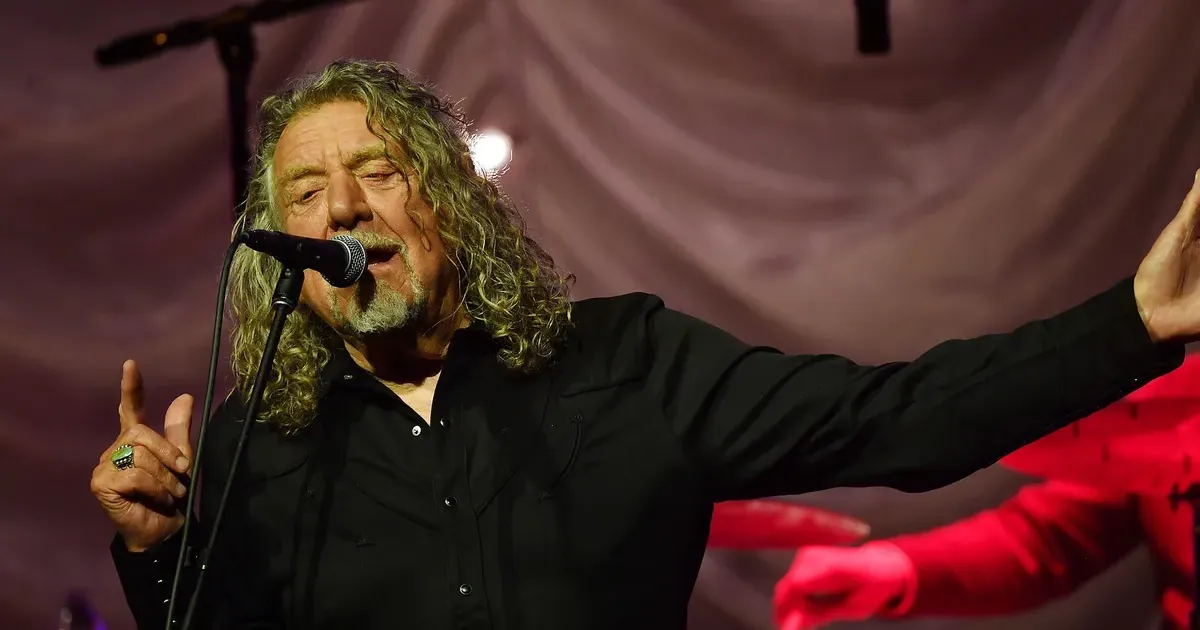
Robert Plant takes the stage in Asheville, North Carolina, marking a critical juncture in the spring concert season. Phish members Trey Anastasio, Page McConnell, Mike Gordon, and Jon Fishman prepare for their high-tech residency at the Las Vegas Sphere simultaneously. By April 1, 2026, resale prices were showing how scarce tour inventory could move faster than official ticket policy. These two disparate musical entities define the current state of the live performance economy. Supply stays constrained for both high-end legacy acts and experimental jam bands, pushing secondary market valuations to new heights. Fans attending the performance at Harrah’s Cherokee Center tonight find themselves in one of the few remaining accessible markets before the tour moves to high-demand East Coast venues. Availability varies sharply by region and venue capacity.
Robert Plant and Saving Grace Tour Dynamics
Saving Grace, the rootsy folk-and-blues project formed in 2019, is a deliberate departure from the arena-rock scale of Plant's earlier career. Personnel for this ensemble includes vocalist Suzi Dian, guitarist Tony Kelsey, drummer Oli Jefferson, banjo player Matt Worley, and cellist Barney Morse-Brown. September 2025 saw the release of their self-titled album, which is the foundation for the current 2026 spring run. Plant, who joined Led Zeppelin in 1968, continues to pivot away from the hard rock style defined by Jimmy Page and John Paul Jones. This tour prioritizes intimate theaters over large stadiums. Small-room acoustics favor the complex string work and vocal harmonies that characterize the Saving Grace sound.
Philadelphia's The Met hosts the group on April 4, 2026, followed by a performance in Red Bank, New Jersey. Many enthusiasts view the April 7 performance at the Cathedral of St. John the Divine in New York as the most prestigious stop on the itinerary. High demand for these specific locations has already exhausted primary inventory. Resale platforms now host the majority of available tickets. These venues often have fewer than 3,000 seats, creating a natural scarcity that benefits third-party sellers. Intimacy comes at a premium in the 2026 market.
Saving Grace is the rootsy, folk-and-blues project Robert Plant formed in 2019 with vocalist Suzi Dian and a collective of talented multi-instrumentalists.
Plant's career trajectory involves a series of calculated risks. His Grammy-winning collaborations with Alison Krauss demonstrated the commercial viability of Americana for classic rock icons. Saving Grace persists in this vein, using traditional instruments like the banjo and cello. Success for this tour does not rely on Led Zeppelin hits like Stairway to Heaven or Kashmir. Audiences instead pay for a curated, low-volume experience. The shift toward smaller rooms allows for a more controlled auditory environment. The volatile dynamics of the secondary ticket market are currently challenging concertgoers across the entire 2026 performance season.
Phish's Las Vegas Sphere residency adds another scarcity driver.
Phish approaches the 2026 season with a focus on immersive technology and visual spectacle. Their residency at the Las Vegas Sphere begins on April 16, 2026, and spans nine dates through early May. This venue utilizes high-definition LED screens and spatial audio to enhance the improvisational style of the band. Phish formed in 1983 in Burlington, Vermont, and built an enormous following through nightly setlist changes. Fans often travel across the country to attend multi-night runs. The Sphere residency capitalizes on this loyalty by offering a unique visual experience for every show. High ticket prices for these dates reflect the technical costs associated with the venue.
Residency dates include April 17, 18, 23, 24, and 25, alongside a final three-night stretch ending May 2, 2026. Resale listings on StubHub and Vivid Seats show meaningful markups for weekend performances. Primary inventory sold out almost immediately upon release earlier this year. Visual graphics at the Sphere provide a layer of immersion that traditional arenas cannot replicate. Each performance involves thousands of lines of code to sync lighting and video with the band's jamming. Such complexity makes these tickets some of the most expensive in the jam band sector.
Madison, Wisconsin, is the starting point for the 21-date Summer Tour following the Las Vegas run. This trek concludes with a five-night return to Madison Square Garden in July. While the Sphere focuses on technology, the summer tour emphasizes the traditional fan culture of following the band from city to city. Demand for the New York City finale is already projected to exceed previous years. Setlist unpredictability keeps ticket interest high even in markets with multiple shows. Phish manages to maintain a consistent revenue stream by never repeating the same concert twice.
Primary and Resale Ticket Market Analysis
Securing tickets through primary sellers like Ticketmaster requires early registration and serious luck. Market data indicates that high-profile residencies see nearly 90 percent of their inventory move during the initial presale phase. Fans who miss these windows must navigate the volatile pricing of secondary markets. StubHub and Vivid Seats currently list tickets for the Robert Plant New York show at more than triple the face value. The inflation occurs because the Cathedral of St. John the Divine offers unique architectural appeal. Collectors and affluent fans often target these specific, atmospheric locations.
Resale pricing for the Phish residency follows a different pattern. Opening night and the final performance of the residency command the highest premiums. Mid-week shows sometimes see price drops as the event dates approach. Professional ticket brokers use algorithms to adjust prices based on real-time demand fluctuations. The resilience of the Phish fan base suggests that prices will remain elevated despite the large number of available dates in Las Vegas. Travelers must also account for hotel and travel costs, which often exceed the price of the tickets themselves.
Record-breaking summer tours in 2025 set the stage for these 2026 valuations. Investors in the live entertainment sector look at secondary market health as a primary indicator of artist longevity. Robert Plant's ability to sell out theaters without the Led Zeppelin brand confirms his status as a persistent draw. Phish continues to prove that technological innovation can justify higher entry costs for the average concertgoer. Both acts rely on a core demographic of older, high-net-worth fans. Economic conditions in early 2026 have not dampened the enthusiasm for premium live experiences.
Procurement strategies for the remaining 2026 dates favor those with flexible schedules. Last-minute tickets occasionally appear on resale sites as original buyers face travel conflicts. Asheville tonight offers a baseline for what to expect for crowd energy and setlist length. As the tour moves toward Philadelphia and Red Bank, the pressure on the secondary market will intensify. Prices rarely drop for intimate theater runs once the tour begins. Consistent demand ensures that the 2026 concert season is one of the most expensive on record.
What Resale Prices Reveal
The ticket surge shows that legacy acts and jam-band residencies can still create scarcity in a fragmented entertainment market. Fans are not only buying a seat; they are buying a limited event with social value.
That gives promoters leverage, but it also keeps pressure on pricing transparency. When resale jumps too far above face value, artists and venues face renewed questions about access and platform rules.