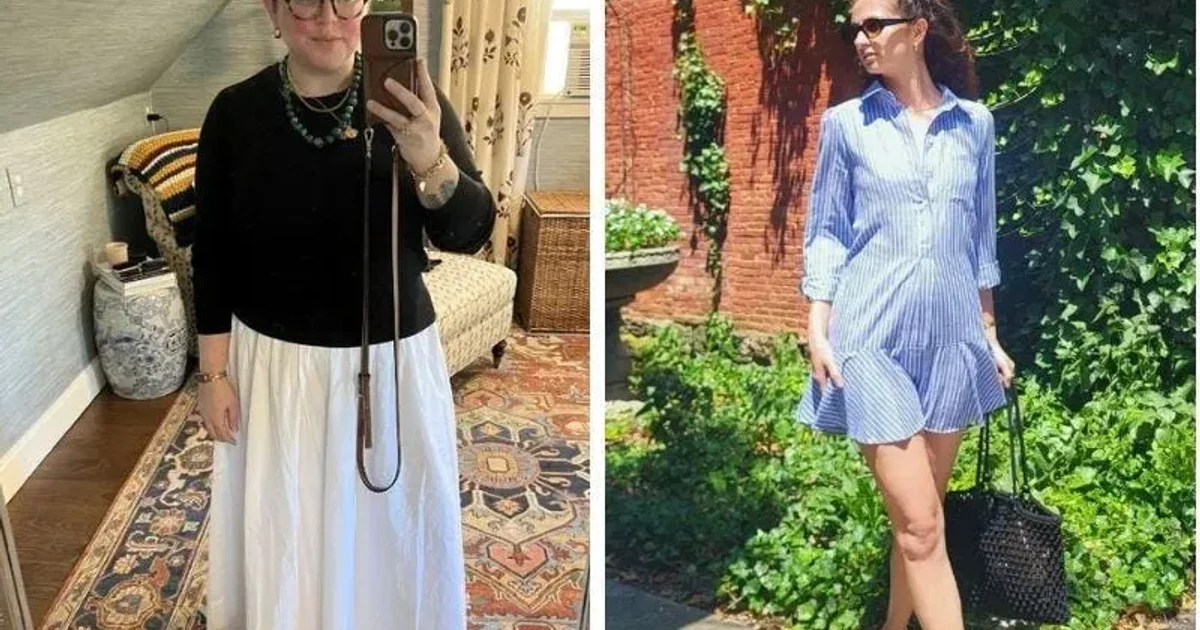
On April 3, 2026, retailers like Everlane and Quince updated their professional catalogs to address a permanent shift in how corporate professionals dress. Consumer expectations for office attire have evolved sharply since the return to physical workspaces. Gabrielle Chase and Samantha Crozier documented these changes through extensive brand testing. Sally Kaplan emphasized that great workwear consists of pieces a person wants to wear for an entire day. Market analysts note that professional staples must now be versatile, comfortable, and office-appropriate without feeling stiff. Modern shoppers seek blazers that do not feel restrictive and trousers designed for long hours of sitting. High-quality basics have become the foundation of a streamlined routine. Success in the current retail climate depends on balancing style with movement.
Brands like Spanx have adapted by integrating shapewear technology into professional trousers. Its PerfectFit collection is often cited as a standard for basic black work pants. Critics previously dismissed stretch-based apparel as too casual for executive settings, yet sales figures suggest otherwise. Comfort has become a non-negotiable metric for the modern worker. Finding great workwear for women isn't just about looking polished; it's about finding pieces you actually want to wear all day.
Direct-to-consumer models have disrupted the traditional pricing of professional apparel. Quince maintains a competitive edge by offering organic cotton button-downs for $40 while bypassing traditional markups. Budget-conscious professionals use these layers to combat fluctuating office temperatures. Organic materials provide a premium feel without the legacy luxury price tag. Sustainability has moved from a niche concern to a primary driver of purchasing decisions in the workwear sector. Everlane remains a dominant force by focusing on transparent supply chains and durable fabrics. Its collection includes everything from silk button-downs to structured suits designed for longevity. Professional women often cite the brand as a reliable source for foundational pieces that do not fall out of rotation.
Supply-chain transparency allows consumers to see the environmental impact of their blazers and footwear. Corporate social responsibility initiatives often influence which brands receive bulk orders for employee uniforms. Everlane capitalized on this trend early by marketing their ethical manufacturing processes. Longevity is now seen as a form of value that outweighs low-cost, disposable alternatives. Market research indicates that the average professional woman prefers a smaller, higher-quality rotation of clothes. Instead of maintaining dozens of cheap items, shoppers invest in a few versatile blazers. Performance fabrics that resist wrinkling have seen a 15% increase in demand over the last fiscal year. Busy schedules require clothing that looks as fresh at a 5:00 PM meeting as it did at 9:00 AM.
Quince Challenges Luxury Pricing in Professional Apparel
Legacy luxury brands face increasing pressure from startups that eliminate the middleman in apparel production. Quince utilizes a factory-to-consumer model that keeps overhead costs much lower than department stores. Cashmere sweaters and washable silk skirts have become accessible to a wider demographic of office workers. Price transparency provides a logical justification for shoppers who feel alienated by five-hundred-dollar trousers. Economists tracking retail trends suggest that the democratization of high-end fabrics is permanent. While luxury houses rely on brand heritage, newer firms rely on utility and price efficiency. A forty-dollar button-down is a serious shift in how value is perceived in the corporate world. Professionals can now build a complete wardrobe for the cost of a single designer handbag.
Traditional retailers struggle to match these price points without compromising on material quality. Cotton and wool remain the gold standards for professional durability. Synthetic blends often fail to provide the same breathability during long commutes. Quince leverages natural fibers to attract customers who prioritize both cost and textile integrity. Technical fabrics originally designed for athletic wear have migrated into the boardroom. Spanx pioneered this transition by applying compression technology to professional silhouettes. The result is a trouser that maintains its shape while offering the flexibility of leggings. Professional women have embraced this hybrid approach to avoid the discomfort of rigid wool tailoring.
Performance apparel for the office must withstand the rigors of travel and frequent washing. Stretch-infused fabrics allow for a wider range of motion during transit. This shift reflects a broader societal movement toward wellness and physical ease. Executives no longer view discomfort as a requirement for authority. Clothing manufacturers now invest heavily in fabric research and development. M. M. LaFleur has gained traction by focusing on machine-washable professional wear. Eliminating the need for dry cleaning saves consumers hundreds of dollars annually. Efficiency in maintenance is just as important as aesthetics in the modern workforce.
Workwear Brands Adapt to Post-Hybrid Offices
The commodification of professional aesthetics has reached its inevitable zenith as retailers prioritize logistical efficiency over genuine style. By rebranding sweatpants as 'technical trousers' and marketing mass-produced cashmere as a revolutionary budget find, companies like Quince and Spanx have successfully lowered the bar for corporate presentation. This shift toward a 'versatile' uniform is not an evolution but a surrender to the exhaustion of the modern worker.
Are we seeing the death of the power suit or merely its rebranding? The obsession with comfort suggests a workforce that is perpetually close to burnout, unable to tolerate even the minor constriction of a well-tailored jacket. Retailers are not selling fashion; they are selling a coping mechanism. The result is an office environment that looks increasingly like a high-end airport lounge where identity is subsumed by the bland safety of neutral tones and elastic waistbands.
Capitalism has finally solved the problem of dressing for success by making success look as generic as possible. The 'best' places to buy workwear are now those that offer the least resistance to the daily grind. While these 24 brands provide undeniable utility, they also signal the end of the office as a space for distinction. In 2026, the most professional thing a woman can do is disappear into her clothes. Corporate camouflage is the new standard.