Organic Life Hacks and the Hidden Danger of Starch
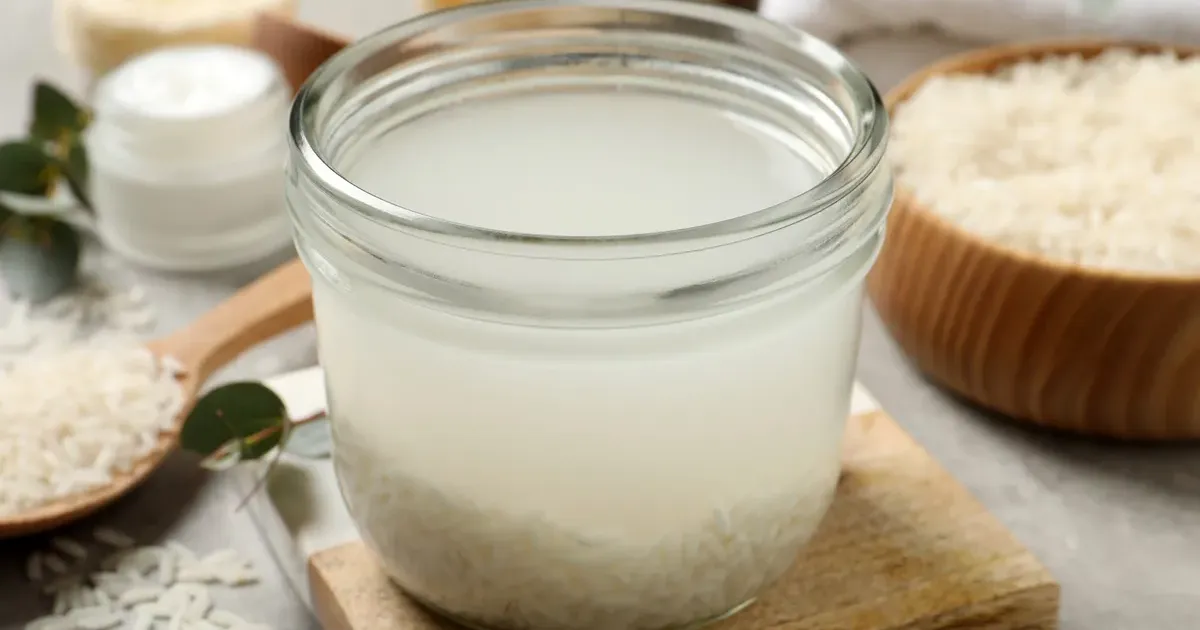
Indoor gardening enthusiasts often search for cheap, sustainable ways to nourish their greenery. Natural fertilizers gained immense popularity throughout the early 2020s, driven by social media platforms that promised lush foliage for the price of kitchen scraps. Rice water became the ultimate darling of this movement. It is the cloudy liquid left behind after rinsing or soaking rice, and proponents claim it provides a gentle nutrient boost. But a growing number of plant owners are discovering that this ancient technique comes with a hidden cost when applied to modern indoor environments.
Horticultural experts warn that the primary ingredient in rice water, starch, is a double-edged sword. Starch is a complex carbohydrate that serves as energy for plants, yet it also is feast for bacteria and fungi. In a controlled agricultural setting, these microorganisms might contribute to a healthy soil biome. Within the confined space of a decorative ceramic pot, they frequently trigger a biological collapse. Unprocessed starch accumulates in the potting mix, creating a thick, gelatinous layer that prevents oxygen from reaching the root system.
Oxygen deprivation leads directly to root rot, a condition that is notoriously difficult to reverse once it takes hold. Roots need to breathe just as much as leaves do. When the soil becomes an anaerobic environment, the plant essentially suffocates from the ground up.
Fermentation Versus Direct Application
Many amateur gardeners make the mistake of pouring fresh rice water directly into their pots every few days. This practice grew from a misunderstanding of how nutrients are actually absorbed by tropical houseplants. Most indoor species, such as Monsteras or Philodendrons, are adapted to nutrient-poor environments where they receive diluted minerals over long periods. Dumping a concentrated starch solution into their soil is equivalent to feeding a toddler a gallon of corn syrup. It is simply too much energy for the system to process at once.
Experienced growers often suggest fermenting the water for several days before use. Fermentation allows beneficial bacteria, particularly Lactobacillus, to break down the complex starches into simpler compounds that the plant can more easily digest. This process also lowers the pH of the water, making it slightly acidic. Many common houseplants thrive in acidic soil, so fermented rice water can be a boon if managed correctly. Still, the fermentation process produces a pungent odor that many apartment dwellers find intolerable. It also requires careful monitoring to ensure that harmful pathogens do not colonize the liquid during the waiting period.
Timing is everything when it is a matter of organic additives.
Applying rice water too frequently is perhaps the most common error in the hobby. Even if the water is fermented and diluted, it should never replace a standard watering schedule. Professionals recommend using it no more than once a month. This schedule allows the soil microbes enough time to finish processing the previous application before a new wave of carbohydrates arrives. Overloading the soil leads to a visible white or green mold on the surface, which is a clear signal that the ecosystem is out of balance.
Sodium and Temperature Errors
Cooking habits often interfere with the safety of homemade fertilizers. Most people salt their rice water during the boiling process or even during the initial soak to improve flavor. Salt is a death sentence for potted plants. Sodium ions interfere with the plant's ability to absorb water through a process called osmotic stress. Essentially, the salt in the soil pulls moisture out of the roots rather than letting the roots pull moisture into the plant. Even small amounts of table salt can lead to leaf burn, stunted growth, and eventual death.
Temperature also plays a critical role in plant health. Some gardeners use the leftover water from boiled rice, thinking the heat might have extracted more nutrients. If that water is still warm when it hits the soil, it can cook the delicate root hairs instantly. These tiny hairs are responsible for the vast majority of water and nutrient uptake. Killing them effectively severs the plant's lifeline. Cold water can also be a shock, particularly for tropical varieties that are sensitive to sudden changes. Room temperature is the only safe option.
Plants do not have a way to tell you they are drowning until it is far too late.
Signs of trouble include yellowing lower leaves, a lingering damp smell from the soil, and a soft, mushy texture at the base of the stems. If you notice these symptoms after using rice water, the first step is to stop all fertilization immediately. You may need to repot the plant in fresh, dry soil to remove the fermenting starch and give the roots a chance to recover in a clean environment. That intervention is often the only way to save a specimen that has been overfed with kitchen scraps.
The Elite Tribune Perspective
Why have we become so desperate for 'hacks' that we ignore basic biological science? The obsession with using rice water as a miracle fertilizer is a symptom of a larger cultural rot where we prioritize anecdotal TikTok advice over established horticultural principles. We are living in an era where people would rather risk killing a hundred-dollar Fiddle Leaf Fig with cloudy kitchen water than spend five dollars on a scientifically formulated, balanced fertilizer. The behavior is not about sustainability. It is about the ego of the 'do-it-yourself' gardener who wants to feel clever by outsmarting nature.
The reality is that indoor pots are artificial environments that cannot mimic the complex cycles of a forest floor. You cannot simply dump raw starch into a plastic container and expect a tropical plant to thrive. It is a recipe for fungal gnat infestations and root-destroying mold. If you truly cared about your plants, you would stop treating their soil like a compost bin. True stewardship requires understanding the specific N-P-K ratios and micronutrient needs of each species. Until we move past this phase of kitchen-scrap alchemy, we will continue to see a graveyard of dead houseplants left in the wake of the latest viral gardening trend.