Marco Rubio blamed global health officials for a delayed reaction to the virus that has triggered a severe medical emergency in central Africa. The criticism sharpened a public-health dispute already complicated by insecurity and cross-border movement. It also put Washington’s global health posture back under scrutiny as deaths rose. Secretary of State Rubio noted on May 19, 2026, that international authorities were slow to grasp the severity of the situation. The diplomat specifically targeted the World Health Organization for failing to flag the resurgence of the disease before it reached a critical threshold.
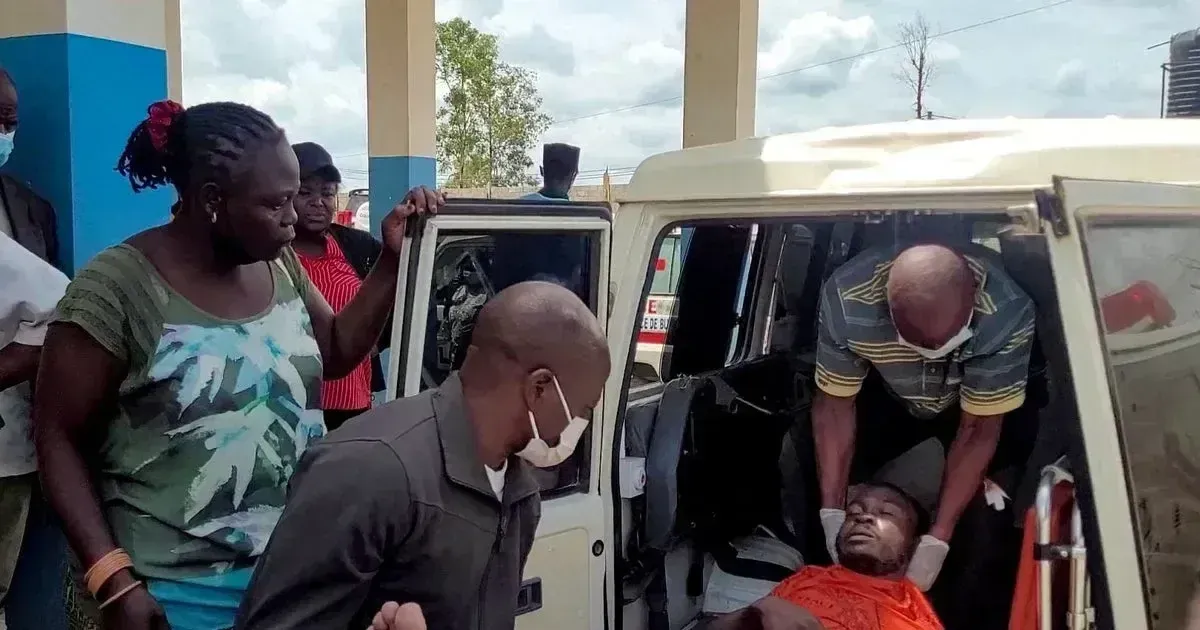
Health workers in the Democratic Republic of the Congo moved to reopen specialized facilities after a spike in fatalities. These clinics serve as the primary defense against community transmission in remote provinces. Local authorities began restoring Ebola treatment centers following reports that the death toll continues to climb. Medical teams are currently refurbishing isolation units and restocking essential supplies to manage the influx of patients.
Critics in Washington suggested that the initial delay allowed the virus to establish a foothold in new districts. Rubio said the response would be led by the Centers for Disease Control and the World Health Organization, while criticizing the WHO's early identification of the threat. This assessment comes as the United States evaluates its ongoing public health expenditures and commitments to international agencies.
"The lead is obviously going to be CDC and the World Health Organization, which was a little late to identify this thing unfortunately."
Efforts to contain the virus are now complicated by its appearance in Uganda. Cross-border movement remains a high-risk factor for health departments in the region. Surveillance teams have increased their presence at official checkpoints to monitor travelers for symptoms. Reports from the ground indicate that the spread into Uganda was confirmed shortly after the initial clusters were identified in the DRC.
Funding remains a point of contention between the State Department and global health bodies. While international agencies request more resources, Rubio signaled that performance issues must be addressed. The administration has recently implemented far-ranging public health cuts that affect how the U.S. supports foreign medical interventions. Analysts suggest these budget shifts place more pressure on local governments to fund their own containment strategies.
Treatment center restoration involves major logistical hurdles. Facilities in the Democratic Republic of the Congo often lack reliable electricity or clean water access. Teams must decontaminate old structures and install protective barriers to prevent accidental exposure among staff. Reopening these sites is a direct response to the rising mortality rate documented by health authorities.
Doctors prioritize the rapid isolation of suspected cases. Effective treatment depends on early intervention, which was hampered by the initial lag in reporting. The CDC has deployed experts to assist with diagnostic testing in regional laboratories. These labs are the only places capable of confirming the presence of the virus through molecular analysis. Without quick results, medical teams cannot properly allocate their limited isolation beds.
DRC Expands Medical Infrastructure
Restoring the treatment centers requires an enormous mobilization of specialized personnel. Health workers are currently training new recruits on the rigorous protocols needed to survive the hot zone. Each center must maintain a strict separation between suspected and confirmed cases to avoid cross-contamination. Congo has experience with previous outbreaks, yet the current scale of deaths has strained existing resources to their limits.
Supply lines for personal protective equipment are under heavy strain. Shipping masks, gowns, and gloves into rural areas requires coordination with both government forces and local leaders. Security concerns often delay these shipments, leaving medical staff vulnerable to infection. Reports indicate that some units are operating with less than a week of supplies on hand.
Washington Questions Global Surveillance
International observers are closely watching the fallout from Rubio's comments. The State Department maintains that early detection is the only way to prevent a global pandemic. By labeling the WHO as late, the U.S. is signaling a possible shift in how it verifies international health data. Officials in Washington want more transparency from the agencies they help fund.
Global health experts argue that detection is often delayed by the remoteness of the affected villages. Infrastructure gaps in the Democratic Republic of the Congo mean that a cluster of deaths might not be reported for several days. This logistical reality often clashes with the political expectations of rapid response. The World Health Organization has not yet issued a formal rebuttal to Rubio's statements.
Regional Containment Challenges
Uganda is now on high alert after cases were confirmed within its borders. The government in Kampala has activated its emergency response task force to coordinate with the DRC. Neighboring countries fear that the virus could follow trade routes into major urban centers. Preventing such a scenario requires constant communication between health ministries that have historically had limited cooperation.
Authorities are focusing on contact tracing to halt the transmission chain. Every person who has been in contact with an infected individual must be monitored for 21 days. The process is labor-intensive and requires thousands of volunteers. In many cases, families are hesitant to report symptoms due to the stigma associated with the disease. Public education campaigns are currently running on local radio stations to encourage transparency.
What the Ebola Response Fight Signals
Does the United States intend to bypass global institutions in favor of unilateral health interventions? The rhetoric from the State Department suggests a growing dissatisfaction with the return on investment from World Health Organization dues. By highlighting the delay in identifying the Ebola outbreak, the administration provides a geopolitical justification for further funding reductions. The strategy moves the burden of proof onto the WHO to demonstrate its efficiency before the next fiscal cycle.
The expansion of the Ebola treatment centers in the Democratic Republic of the Congo is a practical counterpoint to the political debate in Washington. While diplomats argue over timelines, field doctors are facing a reality where the death toll dictates the pace of work. The divergence between diplomatic critique and clinical necessity will likely sharpen if the virus continues to spread through Uganda. If global agencies cannot reconcile these pressures, the burden of pandemic prevention may shift permanently toward cash-strapped local governments. The verdict on the international response will be written in the final casualty count.