The Evolution of the Salvadoran National Dish
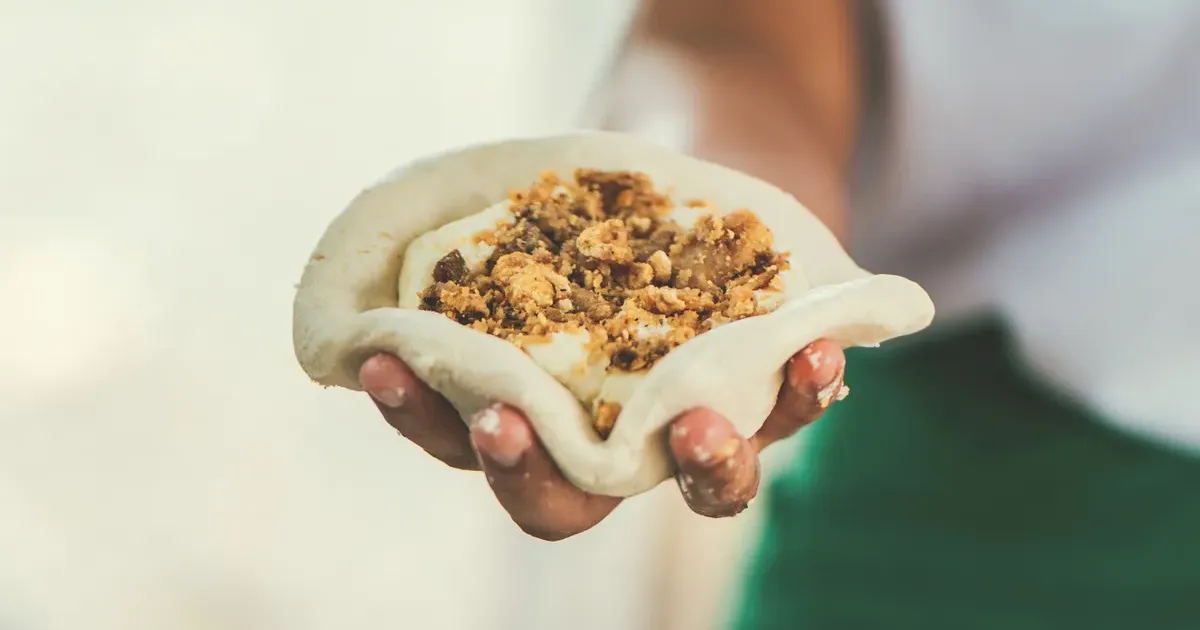
San Salvador morning air carries the unmistakable scent of toasted corn and melting quesillo, a fragrance that has defined the region for centuries. While the pupusa began as a humble staple of the Pipil people, it has transformed into a sophisticated export that demands precise presentation on the world stage. Plating this stuffed griddle cake requires not merely a plate and a fork, it requires an understanding of the delicate balance between heat, moisture, and acid. Chefs in 2026 are increasingly focusing on the architectural integrity of the masa, ensuring that the exterior remains crisp while the interior retains its molten core. Authenticity dictates that the pupusa remains the protagonist, yet the supporting cast of curtido and salsa roja often determines the success of the meal.
Cultural historians point to the 2005 legislative decree in El Salvador that named the pupusa the national dish as the moment the culinary world began taking its presentation seriously. Since then, the migration of Salvadoran flavors into high-end dining rooms in New York and London has forced a reconsideration of how these items are served. Traditionalists argue that a plastic basket lined with wax paper is the only true vessel, but modern gastropubs are opting for heavy stoneware to retain heat. Heat retention is paramount because once the cheese inside a pupusa begins to congeal, the textural experience is lost. Professional servers now time the journey from the griddle to the table with the precision of a fine-dining steak service.
The Mathematical Precision of Stacking
Plating pupusas usually involves a choice between the traditional stack and the contemporary fan. In the stack method, three or four pupusas are placed directly atop one another, which creates a concentrated heat pocket that keeps the fillings liquid for longer periods. This method, however, can lead to the bottom pupusa becoming soggy due to trapped steam. To mitigate this, some chefs are utilizing small wire racks or textured ceramic plates that allow for minimal airflow beneath the base. A single-sentence declaration of quality often rests on the crust: a perfect pupusa must have small, charred spots known as 'curtido burns' where the cheese has escaped and caramelized against the heat.
The fan layout provides a different visual appeal and allows the diner to see the specific fillings of each individual cake. This is particularly useful when serving a variety pack of revueltas, loroco, and ayote. By overlapping the pupusas at a thirty-degree angle, the server showcases the golden hue of the corn masa or the starker, whiter finish of the rice flour varieties found in Olocuilta. Rice flour pupusas are notoriously more fragile and require a lighter touch during plating to prevent the edges from crumbling. Using a wide, flat spatula is non-negotiable for maintaining the structural integrity of the rice-based versions.
The Essential Acidic Counterbalance
No pupusa service is complete without curtido, the lightly fermented cabbage relish that provides the necessary acidity to cut through the richness of the fried masa. Chefs are now experimenting with the fermentation timelines, moving away from quick-pickled versions to those aged for at least forty-eight hours. This aging process allows the oregano and chili flakes to permeate the cabbage, creating a complex flavor profile that elevates the entire dish. Rather than placing the curtido in a small side ramekin, modern plating trends suggest a generous pile directly on top of the stack, allowing the cold vinegar to interact with the hot grease of the pupusa.
Salsa roja acts as the final textural element. It should be a thin, smooth tomato sauce, never a chunky pico de gallo or a thick paste. The temperature of the salsa is a point of contention among experts. Some argue for a room-temperature sauce to avoid cooling the pupusas too quickly, while others prefer a warm sauce that integrates seamlessly with the heat of the masa. When pouring the salsa, it should be drizzled in a circular motion, starting from the center of the stack and working outward. Such a ensures that every bite receives a hint of tomato without drowning the crispy exterior of the dough.
Beverage Pairings and Final Touches
Pairing the right beverage is the final step in the plating and service process. While many diners reach for a Kolashanpan to lean into the nostalgic sweetness of Salvadoran soda, craft beer enthusiasts are increasingly pairing pupusas with crisp pilsners or slightly sour ales. The carbonation in these drinks serves a functional purpose, scrubbing the palate of the heavy oils found in chicharrón fillings. For a non-alcoholic approach, a chilled horchata de morro offers a nutty, spiced contrast to the savory notes of the beans and cheese. The glass should be placed to the right of the plate, ideally served in a heavy tumbler that echoes the rustic roots of the meal.
Silverware is technically optional but often provided in formal settings. True aficionados know that the pupusa is meant to be eaten with the hands, using a small piece of the masa to scoop up the curtido and salsa. Providing a high-quality linen napkin is a subtle nod to the transition of this dish from street food to a respected culinary art form. The napkin should be thick enough to handle the inevitable grease that accompanies a well-made pupusa. Quality is measured by the residue left behind; a pupusa that is too dry lacks the soul of the dish, while one that is too oily indicates a failure in the frying process.
Temperature control remains the greatest challenge for any kitchen. A pupusa loses its optimal texture within ten minutes of leaving the heat. Kitchens that find success in 2026 are those that have mastered the staging process, ensuring that the curtido is chilled and the salsa is prepped before the first pupusa hits the flat top. Such a specific temperature delta between the cold cabbage and the blistering hot masa is what creates the sensory friction that fans of the dish crave. It is a dance of timing that requires a synchronized effort between the cook and the server.
The Elite Tribune Perspective
Obsession with elevating street food often strips away the soul of the original dish. The recent push to apply rigid fine-dining standards to the Salvadoran pupusa is a double-edged sword that threatens to price out the very people who perfected the craft. While we can appreciate the technical mastery required to plate a rice-flour pupusa without it shattering, there is a certain arrogance in the assumption that a ceramic plate or a wire rack makes the food better. The pupusa was born from necessity and resilience, designed to be eaten in a bustling market, not analyzed under the heat lamps of a Michelin-starred kitchen. Critics who demand a 'deconstructed' version of this staple are missing the point entirely. The beauty of the pupusa lies in its wholeness, the way the ingredients meld into a singular, fatty, comforting experience that defies the need for artistic smears of sauce or micro-green garnishes. We should be wary of any culinary trend that prioritizes the 'grammability' of a dish over its cultural context. If you find yourself in a restaurant where the pupusa is served with a knife and fork and a side of truffle-infused curtido, you are not eating a pupusa, you are eating a pale imitation of Salvadoran history. Let the street vendors keep their wax paper and plastic bags; the flavor is better there anyway.