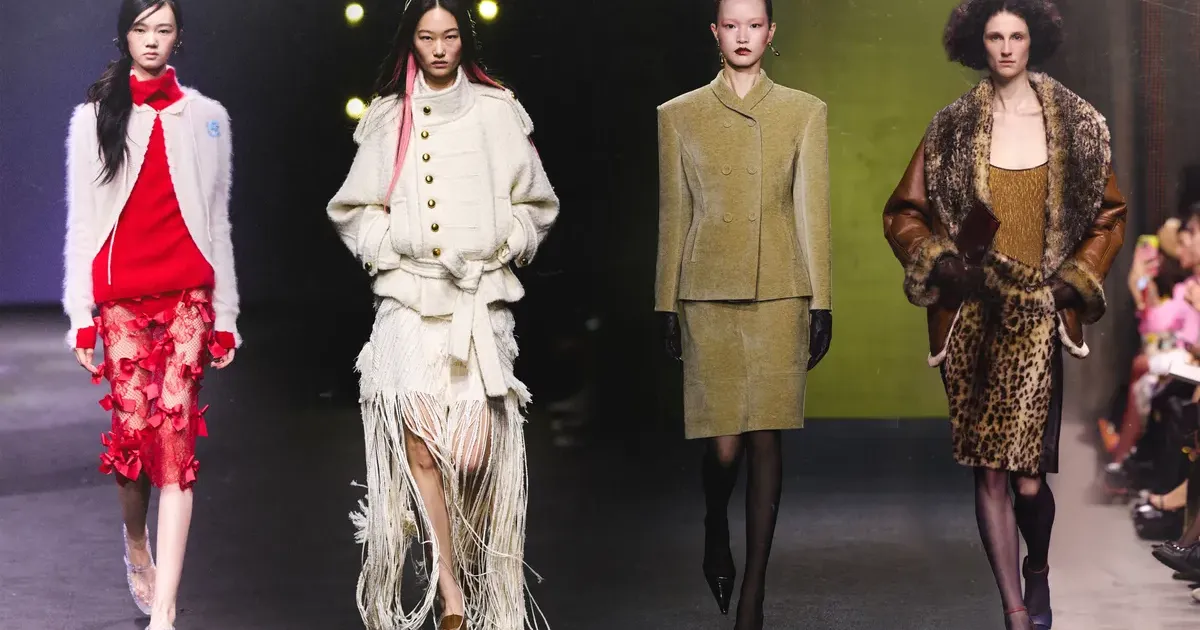
April 2, 2026, Shanghai Fashion Week concluded its showcase of experimental tailoring and vibrant aesthetics. Runways across the Xintiandi district featured a distinctive blend of architectural precision and playful, youthful energy. Local designers moved away from minimalist trends to embrace what critics described as an eclectic mix of sophisticated silhouettes and whimsical details. High-contrast textiles appeared in almost every major collection, pitting heavy wools against delicate translucent silks. Market analysts observed a clear attempt to capture the diverse tastes of the domestic Gen Z consumer base. Initial retail data suggests that these bold aesthetic choices align with a broader recovery in luxury spending across China.
Shanghai Designers Refine Structured Tailoring
Sophisticated silhouettes took center stage during the opening days, characterized by exaggerated shoulders and nipped waists. Creative directors used stiff fabrics to create garments that functioned almost like sculptures. These pieces relied on internal boning and layered canvassing to maintain their shape regardless of movement. Tailoring remained sharp, with double-breasted blazers and floor-length coats appearing in palettes of charcoal, navy, and deep burgundy. Many collections featured asymmetrical hemlines that challenged traditional notions of formal wear. Runway observers noted that the construction quality of these independent labels now rivals established European houses. Export figures from the previous fiscal year show a 15% increase in demand for high-end Chinese apparel in London and New York.
Technical precision defined the sophisticated half of the seasonal offerings. Pattern makers focused on ergonomic seams that allowed for structured fits without sacrificing comfort. Wool blends infused with elastane provided the necessary stretch for everyday utility. Some designers integrated traditional Chinese knotting techniques into the lining of modern trench coats. This subtle nod to heritage satisfied the growing consumer preference for culturally resonant design. Buyers from major department stores expressed interest in the versatility of these garments. Labelhood, the platform for emerging talent, reported record attendance from international procurement teams. The average price point for these luxury items reached $1,200 per unit.
Youthful Aesthetics Dominate Regional Collections
Girlish fun manifested through an explosion of bright colors and hyper-feminine accents. Pinks, lime greens, and electric blues broke the monotony of traditional seasonal shades. Designers used oversized bows, ruffled collars, and large tulle skirts to evoke a sense of playfulness. These elements appeared on both evening gowns and casual separates, blurring the lines between occasion and daily wear. Accessories played an essential role in grounding these whimsical looks, with chunky footwear and metallic hardware providing a necessary edge. Fashion critics noted that this aesthetic is a rebellion against the somber tones prevalent in previous years.
Social media engagement on platforms like Weibo spiked when these colorful looks debuted. Influencers highlighted the tactile nature of the 3D floral appliqués used in several key collections.
Textural contrast was the primary vehicle for this youthful expression. Sequins paired with distressed denim created a visual friction that appealed to younger attendees. Lightweight organza layered over heavy knits provided a multidimensional effect on the runway. Designers experimented with faux fur in neon hues to create statement outerwear. Because the local supply-chain is so localized, these brands can iterate on complex fabric combinations faster than their global competitors. Vogue reported that the contrast of materials was the standout trend of the season. Small-batch production runs allowed designers to take greater risks with these unconventional material pairings. Revenue from youth-focused luxury segments in China is projected to reach $450 billion by 2027. This growth in luxury spending across China is further evidenced by international labels prioritizing new physical retail expansion in the region.
China influences on Global Luxury Consumption
Economic indicators suggest that the design choices seen in Shanghai will soon fill global markets. Domestic brands no longer merely follow international trends; they establish them. Regional designers leverage their proximity to textile hubs in Zhejiang and Jiangsu to source innovative materials. This logistical advantage allows for rapid prototyping and shorter lead times. Global luxury conglomerates are increasingly looking to Shanghai for creative inspiration and talent acquisition. Many independent designers featured this week have previously trained at institutions like Central Saint Martins or Parsons. Their return to Shanghai has brought a globalized perspective to local craftsmanship.
Trade statistics indicate that domestic brands now hold a 40% share of the local luxury market. This is a meaningful increase from the 25% share held just five years ago.
Shanghai Fashion Week has become a critical barometer for the global industry because it combines manufacturing prowess with a unique cultural aesthetic that connects with the world's fastest-growing consumer segment, according to a recent market report from the Shanghai Fashion Association.
Consumer behavior in East Asia continues to favor brands that offer a mix of status and individuality. The sophisticated silhouettes cater to the professional class, while the girlish elements appeal to the experimental youth. Retailers have responded by creating modular floor sets that showcase both ends of the stylistic spectrum. The dual-focus strategy maximizes the reach of a single collection across different age demographics. Investors have taken notice of this adaptability, with venture capital funding for Chinese fashion startups rising by 20% in the last quarter. Private equity firms are specifically targeting brands that demonstrate strong digital integration.
Most successful labels now use livestreaming and social commerce to drive 60% of their total sales. Data from the Ministry of Commerce shows that online luxury sales grew by 18% in early 2026.
Technical Craftsmanship Meets Commercial Utility
Material innovation was still a recurring theme throughout the week. One standout collection used recycled plastic fibers woven into high-sheen satin. Another designer showcased garments treated with hydrophobic coatings that maintained a soft, natural hand feel. These technical advancements reflect a mounting concern for sustainability among Chinese consumers. Brands that emphasize environmental responsibility are seeing higher retention rates. Production costs for these sustainable textiles have decreased by 10% due to improved recycling infrastructure. Government subsidies for green manufacturing have further encouraged this shift.
Textile engineers worked closely with design teams to ensure that ecological materials could support the structured shapes required for the season. The resulting garments were both durable and visually striking. Laboratory tests confirmed that the new recycled fabrics matched the tensile strength of virgin silk.
Commercial viability drove the final look of many runway pieces. While the silhouettes were experimental, the individual components were designed for easy integration into existing wardrobes. Detachable collars and reversible linings provided consumers with multiple styling options. The focus on utility ensures that high-fashion pieces remain relevant beyond a single season. Wholesale orders during the event surpassed initial projections by 22%. Buyers from Tokyo, Seoul, and Singapore were particularly active during the trade shows segments. Logistical improvements at the Port of Shanghai have enabled faster international shipping for these orders.
Standard delivery times to Europe have been reduced to twelve days for premium air freight. These operational efficiencies make Shanghai-based brands more attractive to global boutiques. Current projections indicate that the city will host over 1,500 fashion events annually by 2030.
The Elite Tribune Strategic Analysis
Western luxury houses are making a tactical error by viewing Shanghai Fashion Week as a purely regional affair. The sophistication displayed this season suggests that the gap between Eastern and Western design maturity has evaporated. For decades, Paris and Milan relied on a monopoly of heritage and craftsmanship that no longer exists in a vacuum. Chinese designers now possess the technical skills of the West and the industrial speed of the East. The combination is lethal to the sluggish product cycles of traditional European conglomerates.
The shift toward girlish fun and eclectic textures is not just a trend but a calculated response to the saturation of quiet luxury. While brands like Loro Piana and Brunello Cucinelli have exhausted the minimalist aesthetic, Shanghai is offering a vibrant alternative that actually excites the buyer. The commercial data supports this pivot. Luxury consumers are tired of austerity; they want the tactile joy and visual complexity that was on full display in Xintiandi. If European brands fail to inject similar energy into their 2027 collections, they risk losing the most lucrative demographic in the world. Shanghai has stopped asking for a seat at the table. It is building a new table entirely.