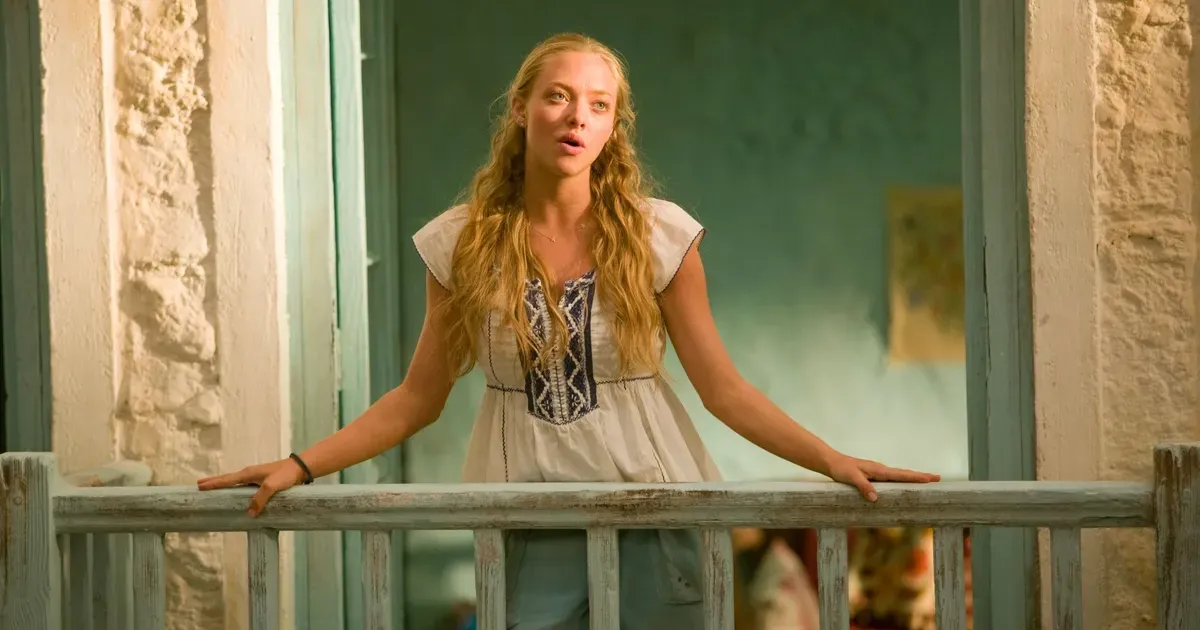
Travel data published reveals that Skopelos sustains a unique tourism niche centered on the filming sites of the original Mamma Mia musical. Vis follows a similar trajectory in the Adriatic, where the second installment of the franchise successfully pivoted to a different Mediterranean landscape. The latest travel data published on March 31, 2026, showed both islands still benefiting from that screen memory. Universal Pictures executives initially selected the Greek island of Skopelos in 2007 for its verdant hills and proximity to the clear waters of the Aegean Sea. Production started later that summer.
Kastani Beach was the primary backdrop for several high-energy dance sequences involving the main cast. Local authorities maintained the beach in its natural state until the arrival of heavy equipment and wooden jetties required for the beachfront bar scenes. These structures were temporary and removed once filming concluded, but the location remains a magnet for international travelers. Visitors often arrive via ferry from Skiathos to see the coastline where the fictional Kalokairi came to life. Records from the local port authority show that passenger arrivals increased by 30% during the first two years after the film release.
Skopelos Locations Anchor Original Movie Visuals
Agios Ioannis Chapel is the most recognizable landmark from the 2008 production. Perched on a rock 100 meters above the sea, the church required the cast to navigate 202 steep stone steps for the wedding sequence. Interior shots of the wedding were actually filmed at Pinewood Studios in London to accommodate the camera crews and lighting rigs. Despite this logistical split, the exterior of the chapel continues to host hundreds of real weddings for fans of the film. The building itself is small and traditional, reflecting the ecclesiastical history of the region.
Villa Donna, the central hotel in the story, does not exist as a single physical structure on the island. Set designers built the hotel exterior on a site known as Glisteri, located on the northern coast of Skopelos. Most of the hillside scenes featuring the olive groves and the rocky paths were captured in this specific area. When the production ended, the crew dismantled the sets to restore the natural environment. Owners of local guesthouses reported that travelers still ask for the exact coordinates of the fictional hotel every summer season.
Success for the first film relied heavily on the authentic Greek atmosphere provided by the Sporades island group. Filmmakers used the town of Damouchari on the Pelion coast for the early scenes where the friends of Donna arrive by boat. This location provided the necessary harbor depth for larger vessels while maintaining a rustic aesthetic. Logistics for moving hundreds of cast and crew members between the mainland and the islands presented serious challenges for the production office. Daily transport relied on a fleet of private water taxis and local fishing boats.
Croatian Fiscal Policy Draws Sequel to Vis Island
Moving the production for the 2018 sequel presented a departure from the established Greek setting. Producers looked toward Croatia to take advantage of the generous tax rebates offered by the Croatian Audiovisual Centre. These incentives provided a 25% cash rebate on local spending, making the island of Vis an attractive alternative for the studio. While the story remained set in Greece, the topography of the Adriatic coast provided a convincing substitute for the Aegean. The total production budget for the sequel was approximately $52 million.
We chose the islands for their rugged character and the way the light hit the water at dusk, creating a sense of timelessness that the story required.
Vis is the most offshore inhabited island in Croatia and has a unique historic background. It functioned as a Yugoslav military base for decades and was closed to foreigners until 1989. This isolation preserved the architecture and the natural landscape from the mass development seen in other Mediterranean hubs. Barjoska Bay on the western side of the island became the primary filming hub for the sequel. Crews built a new road to access the remote bay, which the local government still maintains for public use.
Komiza is the quaint fishing village where several exterior scenes were captured. The stone houses and narrow alleys of the village required very little set dressing to fit the Mediterranean aesthetic of the film series. Unlike the first movie, the sequel used more existing structures on the island to ground the visuals in reality. Dionis restaurant in the center of the island was used for scenes involving the younger versions of the main characters. Local winemakers provided the production with traditional Vugava grapes during the long filming days.
Local Communities Experience Lasting Tourism Growth
Economic impact on these small islands persists long after the cameras depart. Before 2008, the economy of Skopelos relied almost entirely on agriculture and small scale local tourism. The global reach of the film introduced the island to markets in the United States and East Asia. Property values in the town of Skopelos rose as international buyers sought vacation homes near the filming sites. Small businesses shifted their focus to accommodate the demand for themed tours and memorabilia.
Croatia experienced a similar boost in interest for the island of Vis after the 2018 release. Tourism officials in Split noted that the number of day trips to the island surged by 40% in the following season. Many visitors now choose to stay in the village of Komiza rather than staying on the mainland. This shift has diversified the local economy, which previously depended on seasonal fishing and vineyard harvests. Employment in the hospitality sector remains the primary driver of growth for the island youth.
Infrastructure improvements often follow these major film productions. In Vis, the local municipality used the attention to secure funding for better ferry connections and electrical grid upgrades. The arrival of a Hollywood production required high-speed internet and advanced logistics that the island lacked. These upgrades now benefit the permanent residents who live on the island year round. Universal Pictures also contributed to local community funds as part of their rental agreements for public spaces.
Film Tourism Capacity
Global film production has transitioned into a cold, calculated game of fiscal arbitrage where the aesthetic integrity of a story is secondary to tax incentives. The decision to move the second Mamma Mia film from Greece to Croatia was not an artistic choice; it was a $52 million spreadsheet victory. While Universal Pictures successfully mimicked the Greek atmosphere on the island of Vis, the move exposed a cynical reality in modern cinema. Studios no longer prioritize geographic authenticity when a 25% rebate is on the table.
The shift creates a predatory environment where small Mediterranean nations must compete in a race to the bottom to offer the cheapest filming conditions. Greece eventually realized this mistake and updated its own incentive programs, but only after losing one of its most valuable cultural exports to a neighbor. The long-term risk is the homogenization of Mediterranean tourism. When every island is curated to look like a generic version of a musical set, the unique cultural heritage of places like Skopelos begins to erode under the weight of commercial expectation.
Governments must decide if they are stewards of history or merely landlords for Hollywood. Authenticity is not a commodity that can be manufactured by a set designer in an Adriatic bay.