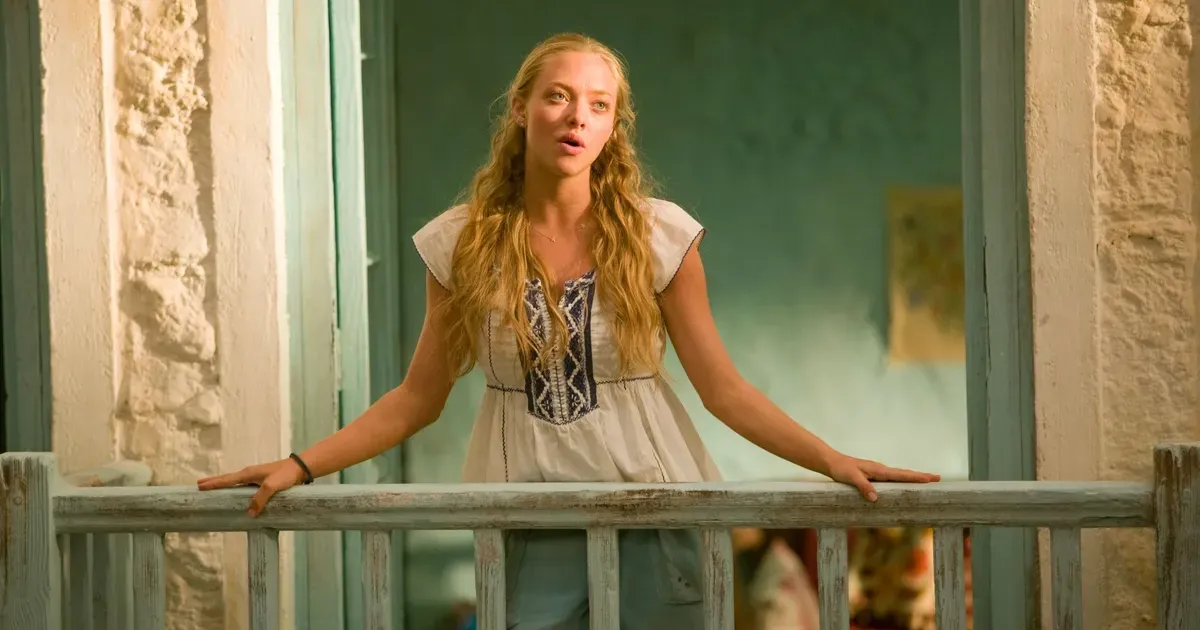
Skopelos and Vis show how long a movie can keep working after the cameras leave. The first Mamma Mia! tied parts of Skopelos to the fictional Greek island of Kalokairi. The sequel, Mamma Mia! Here We Go Again, shifted production to Croatia's Vis while still selling a Greek-island dream. Years later, both islands remain part of the same travel fantasy.
Film tourism works through that borrowed memory. A destination no longer has to introduce itself from nothing. A chapel, beach, harbor or staircase arrives with a memory already attached. Visitors do not only want a view; they want proof that they stood inside a scene they carried with them. The economic value is obvious. The local cost is slower to measure.
Skopelos Has The Stronger Claim
Skopelos owns the original association because the first film used its cliffs, beaches and churches to build Kalokairi's visual identity. Agios Ioannis Chapel remains the obvious pilgrimage stop, even though the film's production geography was more complicated than the tourist version suggests. Kastani Beach and other Sporades locations also became part of the Mamma Mia route.
The advantage is authenticity. Skopelos does not have to pretend it was part of the movie's look. It was. The genuine link gives hotels, guides, ferries, restaurants and small businesses a durable hook. A traveler who might otherwise choose a better-known Greek island can be pulled toward Skopelos by one familiar song and one familiar view.
The Pressure Lands In A Few Places
The weakness is concentration. Film fans often arrive for a narrow list of stops, which means pressure builds on the same roads, parking areas, beaches and viewpoints. A small island can benefit from global attention and still struggle with the physical pattern of that attention.
At that point, film tourism becomes a planning issue rather than a marketing win. The goal cannot be only to bring more visitors to the chapel or the beach. The better model is to use the film as an entry point, then spread travelers toward local food, villages, walking routes, boat trips and quieter parts of the island. Otherwise the place becomes a set of repeat photographs rather than a living destination.
Vis Was Cast As Another Dream
Vis has a different relationship with the franchise. The Croatian island did not replace Skopelos in memory; it was asked to perform a similar Mediterranean spell for the sequel. Its stone towns, coves, harbor life and relative distance from heavier development gave filmmakers the atmosphere they needed.
Vis therefore offers a good example of how film can recast a place without fully naming it. Many viewers were absorbing Croatia while thinking about a Greek fictional island. For tourism, that can still be useful. The screen image creates curiosity, and curiosity becomes ferry bookings, boat tours, restaurant visits and room nights.
Remoteness Is Part Of The Product
Vis also shows the risk more sharply. Its appeal depends on not feeling overbuilt. Visitors come because the island seems less manufactured than more crowded Mediterranean stops. If film tourism pushes too hard, it can damage the exact quality that made the location attractive to filmmakers in the first place.
Vis need not reject the association. It means the island has to treat it carefully. Small operators can benefit from themed tours, but the destination cannot become only a musical postcard. Once every cafe, cove and walking route is forced into the same fan itinerary, the island begins to lose the texture that made it worth filming.
The Movie Should Open The Door
The best version of Mamma Mia tourism is not denial and not surrender. Skopelos and Vis can accept the attention, sell the tours and enjoy the spending. They should also make sure the movie is the beginning of the visit, not the whole visit.
That requires practical choices: manage crowd flow, protect fragile sites, avoid overpromising access, support local guides and keep ordinary island life visible. Screen fame is a gift only if it leads travelers toward the real place. If it reduces Skopelos and Vis to backdrops, the islands will still be famous, but they will be famous in a way that makes them smaller.