Smoke Shops and Mini Marts Serve America's Best New Food
Chefs are bypassing high rents by opening gourmet kitchens in smoke shops and mini marts, redefining the American dining experience through 2026.
◆
Key Points
☼ AI-Generated Summary
◆Economic pressures in 2026 are driving chefs to open kitchens in non-traditional venues like smoke shops and mini marts.
◆Repurposing existing infrastructure, such as using pizza ovens for Vietnamese cuisine, reduces startup costs significantly.
◆Indonesian and seafood specialties are leading the trend of high-quality food in incongruous locations.
◆Consumers are increasingly prioritizing authenticity and flavor over traditional restaurant atmosphere and decor.
Share
Neon Signs and Secret Menus
Neon signs flickering above a row of dusty potato chip bags do not usually signal a culinary destination. Across the American urban sprawl, a quiet revolution is taking place inside the most mundane structures imaginable. Gourmet kitchens are sprouting between cigarette displays and lottery ticket machines, offering a level of authenticity that high-end bistros often fail to replicate. Such establishments represent a pragmatic response to the punishing economic realities of the 2026 dining industry.
High commercial rents and skyrocketing construction costs have forced ambitious chefs to abandon the dream of the traditional dining room. Many now prefer to lease a few square feet of counter space within existing businesses. This model allows them to bypass the massive overhead of a standalone restaurant while tapping into the foot traffic of a neighborhood staple. What began as a survival tactic for immigrant families has matured into a sought-after aesthetic for food enthusiasts who value substance over interior design.
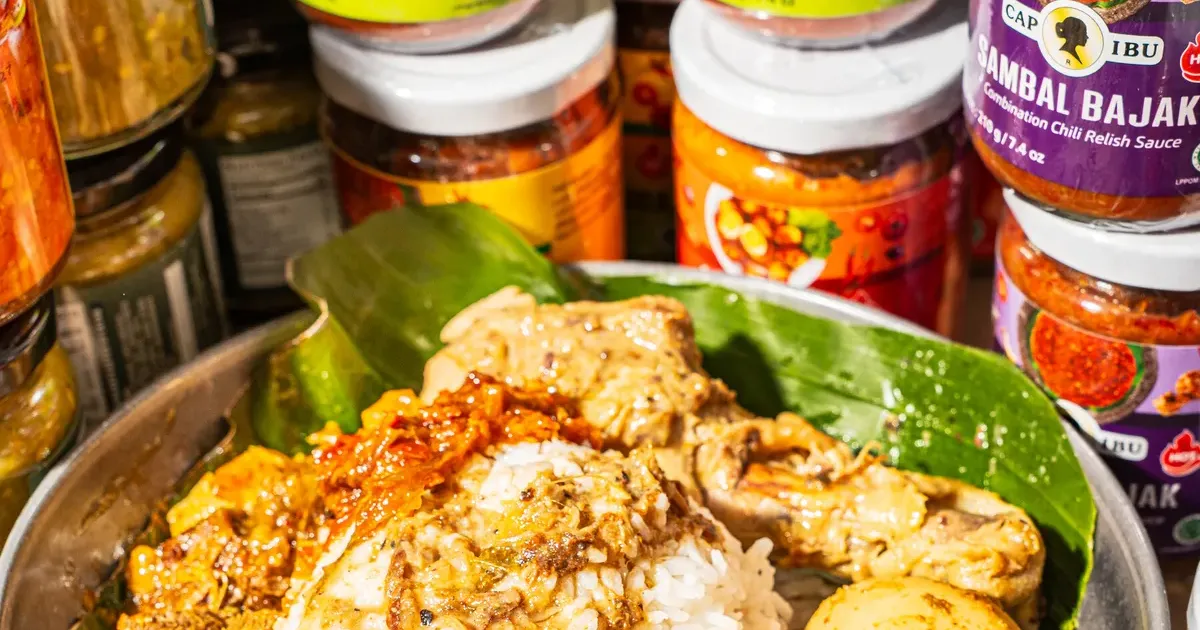
Inside a nondescript mini mart on the outskirts of Los Angeles, the scent of diesel fuel gives way to the pungent, sweet aroma of beef rendang. Indonesian food enthusiasts have begun flocking to this convenience store for small bites that rivals any five-star kitchen in Jakarta. The menu, scribbled on a chalkboard above the refrigerated drinks, features slow-cooked meats and rice dishes wrapped in banana leaves. Customers must navigate past rows of motor oil and laundry detergent to place their orders, yet the quality of the sambal is undisputed.
Economic Pressures Fuel Culinary Creativity
Market forces throughout 2026 have made the traditional restaurant model nearly impossible for independent operators. Interest rates remain high, and the cost of installing professional-grade ventilation systems in new buildings can exceed six figures. Small-scale chefs find refuge in existing infrastructure. Shared utility permits allow a smoke shop or a corner store to host a fully functional kitchen without the need for a total renovation.
Vietnamese food has found a particularly interesting home in repurposed pizzerias. Large pizza ovens, once used for pepperoni pies, now provide the heat for roasting pork and warming baguette crusts for banh mi. These old pizzeria locations offer the perfect hybrid space, keeping the utilitarian layout of a takeout counter while introducing complex fish sauces and herb-heavy broths. Such transitions are often seamless. A neighborhood that once relied on greasy slices now enjoys high-quality pho served from the same familiar window.
Health departments have struggled to keep pace with these dual-use spaces. Inspectors are tasked with evaluating a facility that sells both vape cartridges and shrimp ceviche. Regulations often require strict physical separation between the retail goods and the food preparation area, leading to creative uses of plexiglass and modular shelving. Most operators maintain impeccable standards, knowing that a single violation could shutter both businesses simultaneously.
Seafood and Smoke
Seafood cocteles served in a smoke shop sounds like a contradiction, but the reality is a masterstroke of efficiency. Cold-storage requirements for premium tobacco products overlap surprisingly well with the needs of a raw bar. Fresh octopus and shrimp are marinated in lime juice just inches away from humidors filled with imported cigars. This juxtaposition attracts a diverse clientele ranging from local construction workers to curious food critics.
Quality wins over aesthetics every single time.
Critics of the trend argue that the lack of atmosphere diminishes the dining experience. Still, the data on consumer spending shows a clear preference for value and flavor over white tablecloths. Digital maps and social media discovery tools have made it easier for people to find these Indonesian food mini mart reviews 2026. Word of mouth travels faster than any marketing campaign, especially when the product is as unexpected as a gourmet meal in a gas station.
Digital platforms are the lifeblood of these hidden kitchens. Without a traditional storefront to attract passersby, chefs rely on location-based apps to alert the community to their presence. Some even operate on a rotating basis, serving seafood cocteles in smoke shops only on weekends or during specific hours. This scarcity creates a sense of urgency among local diners.
Diners no longer care about the upholstery.
Future developments in the food industry will likely see more of these partnerships. Major retailers are beginning to notice the draw of high-quality independent vendors. Large-scale gas station chains have even considered formalizing these arrangements to boost their own sales of high-margin items. The marriage of convenience and culinary excellence is not just a temporary fix for high rents; it is the new standard for urban eating.
The Elite Tribune Perspective
Does a plastic fork and a linoleum floor strip away the prestige of a perfectly executed meal? For decades, the culinary world obsessed over the theater of service, convincing us that the silver cloche and the sommelier's nod were as important as the salt on the plate. We were sold a lie that atmosphere justifies a 400 percent markup. These mini mart kitchens and smoke shop raw bars are finally stripping away that pretension, and it is about time. The current obsession with 'concept' restaurants has left the industry bloated and boring. When a chef is forced to cook in a 200-square-foot corner of a convenience store, they cannot hide behind mood lighting or expensive stemware. The food has to be flawless because there is nothing else to look at. That is the ultimate meritocracy in cooking. If you can make a stranger forget they are standing next to a rack of cigarettes because your shrimp cocktail is that transcendent, you have achieved more than any Michelin-starred artist in a velvet-lined room. We should celebrate the death of the dining room if it means the resurrection of actual flavor.