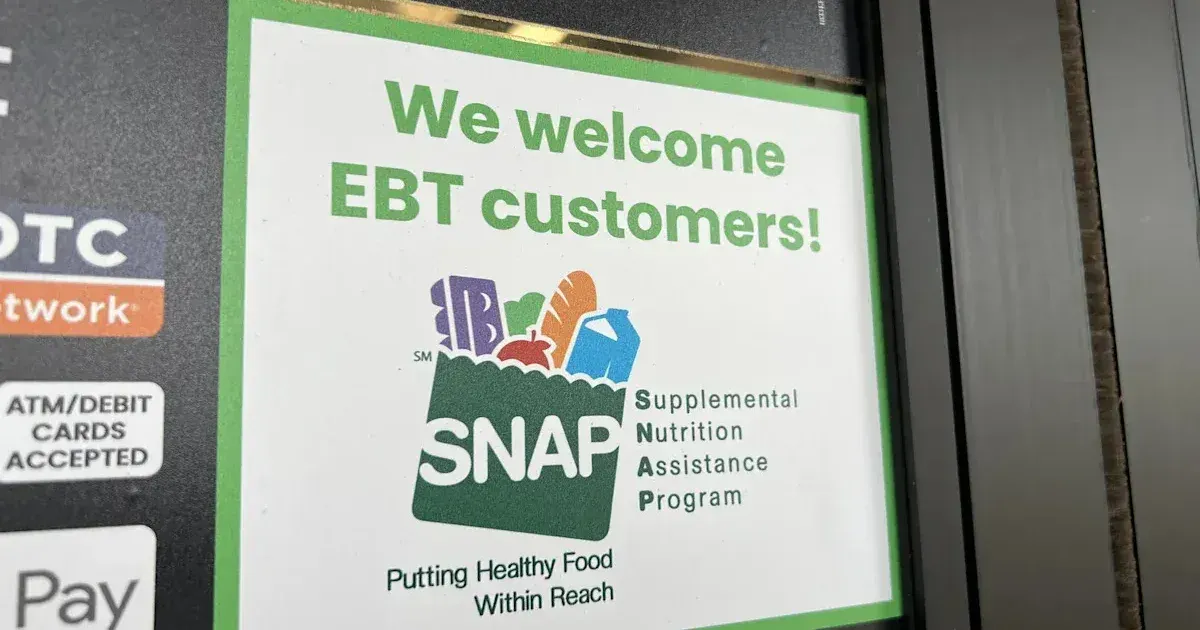
A federal judge has blocked the Trump administration's attempt to let states restrict soda and candy purchases through SNAP, slowing a major piece of its nutrition-policy agenda.
The ruling deals a setback to the Make America Healthy Again campaign, which has argued that food benefits should not subsidize products officials describe as unhealthy. The dispute is now a legal test of how far federal agencies can go in reshaping the Supplemental Nutrition Assistance Program.
States had sought permission to bar certain purchases by SNAP recipients. On June 23, 2026, the court said the administration could not move forward with those restrictions in the form challenged by opponents.
The case turns on whether public health goals can be pursued by narrowing what food aid recipients are allowed to buy.
Nutrition Policy Meets Benefit Law
SNAP has always carried a tension between nutrition goals and household choice. The program helps low-income families buy food, but it generally does not police every item in a grocery cart beyond existing restrictions on alcohol, tobacco and hot prepared foods.
The Trump administration wanted to change that balance by approving state waivers targeting soda and candy. Supporters said taxpayers should not fund products linked to obesity, diabetes and other health problems.
Opponents argued that the policy would stigmatize poor families while doing little to change the food environment that shapes health outcomes. They also said Congress did not give the administration enough authority to rewrite purchase rules through waivers.
SNAP purchase limits are politically powerful because they sound simple: remove unhealthy products from benefit eligibility. In practice, the line can become complicated, especially when stores, states and benefit processors have to classify products consistently.
States Wanted More Control
Several Republican-led states have pushed for more authority over food benefit rules, arguing that local officials should be able to test nutrition-focused restrictions. The administration treated those requests as part of a broader campaign to link public benefits with health outcomes.
The judge's decision slows that approach. It does not end the national debate over diet and public spending, but it tells agencies that program design still has to fit the statute Congress wrote.
Make America Healthy Again messaging has given the policy a larger political frame. The administration sees food benefits as one place to challenge processed-food consumption. Critics see a selective intervention that targets low-income shoppers more than the broader food industry.
What Happens Next
The administration can appeal, rewrite its waiver approach or seek legislation. Each route carries political costs because SNAP serves tens of millions of people and is deeply tied to grocery retailers, farmers, anti-hunger groups and state agencies.
For recipients, the ruling preserves current purchasing flexibility for now. For states, it delays experiments that officials said would make food aid healthier. For the food industry, it keeps a major benefit market from splitting into different prohibited-product lists across states.
The case also shows why health policy through benefits is difficult. If the goal is better nutrition, restrictions may be less effective than incentives, education, price changes or broader food access. If the goal is political signaling, courts may ask whether the agency has legal authority to deliver it.
The SNAP fight is therefore not only about soda and candy. It is about whether the government can use food aid as a nutrition enforcement tool, and whether doing so changes the dignity and design of a program built around household grocery choice. Retailers also face a practical problem if different states create different prohibited lists. A national grocery chain can process SNAP benefits across many jurisdictions, but product-level restrictions require coding, compliance checks and customer-facing explanations at checkout. Anti-hunger groups argue that those frictions would fall on recipients, who could be embarrassed or delayed when a purchase is rejected. Public health advocates counter that benefit design already shapes behaviour and that sugary drinks are a logical target because they contribute to diet-related disease. The ruling does not settle that policy argument. It says the administration cannot use the challenged waiver path to make the change. That distinction matters because Congress could still rewrite SNAP rules directly, while agencies remain bound by the program structure now in place. The food-benefit fight also reveals a class divide in nutrition politics. Wealthier households can be urged, taxed or educated into healthier purchases, while poorer households may face direct limits at the checkout. That difference is why opponents describe the policy as punitive even when they agree that diet-related disease is a serious public health problem. Courts will now decide how much room agencies have to make that distinction. That makes the next appeal important not just for this waiver, but for the future boundary between benefit administration and public health regulation. The ruling keeps that boundary visible in every state, with consequences for families and retailers alike.