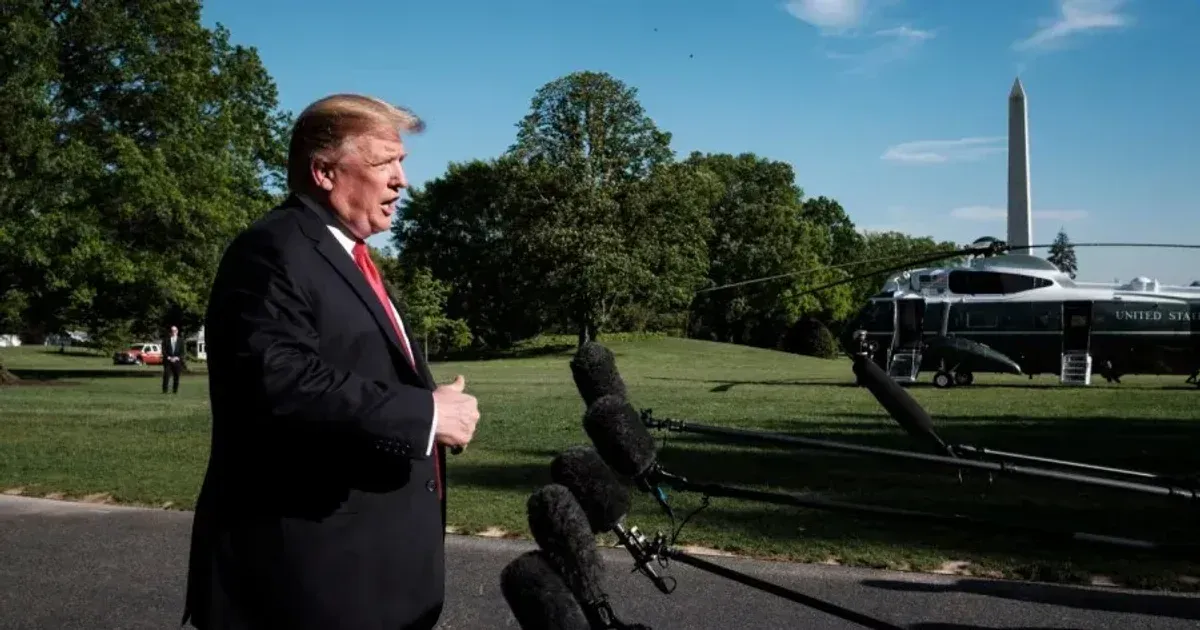
On April 24, 2026, Stephen Colbert distanced himself from the White House Correspondents Association as the annual media gathering faces renewed scrutiny over its necessity. Late-night satirist Colbert explicitly stated his intention to avoid the capital during the event. He questioned why his peers continue to participate in a gala that blurs the lines between independent reporting and political entertainment. CBS broadcasted his remarks to a national audience just days before the scheduled festivities at the Washington Hilton.
Participation in the dinner has become a point of contention for journalists who fear the optics of social intimacy with the subjects they cover. Colbert explained that he tries to remember not to be in Washington D.C. as often as possible. He noted that the weekend of the correspondents’ dinner is the time he stays away most aggressively. His decision reflects a broader discomfort with the celebrity culture that has overtaken what was once a modest professional dinner. High-profile absences like his suggest a shift in how media figures view their relationship with the federal government.
Colbert Questions Attendance of Rival Media Figures
Colbert voiced a specific skepticism regarding why so many of his colleagues still feel compelled to attend the weekend-long series of parties. Satirical news programs often rely on maintaining a distance from the power structures they mock. By attending, journalists risk appearing as part of an insular Beltway elite that ignores the concerns of ordinary citizens. Colbert famously performed at the dinner in 2006, where his biting characterization of the executive branch stunned the room. That performance is still cited as a rare instance of a guest speaker truly challenging the sitting president in person.
Critics of the boycott argue that the dinner is not only about social climbing or jokes. Supporting this annual event is about confirming that journalism is important and deserves a seat at the table. Organizers emphasize that the gathering highlights the essential role of a free press in a functional republic. The event also provides a rare moment where the executive branch acknowledges the oversight role of the Fourth Estate. Press freedom advocates suggest that withdrawing from the event weakens the collective standing of the media.
Financial transparency has become another focal point for those questioning the gala’s purpose. A total of $300,000 is frequently cited as the amount of scholarship money raised by the association through ticket sales and sponsorships. These funds support the next generation of journalists who might otherwise lack the resources to pursue careers in the capital. Association leaders argue that the social aspects of the night are a necessary vehicle for this charitable mission. The scholarship program remains one of the primary defenses against accusations of pure vanity.
Evolution of Nerd Prom and Celebrity Influence
Hollywood influence began to fill the guest list during the 1980s, fundamentally changing the atmosphere of the ballroom. Reporters started inviting movie stars and pop icons as their guests to increase the prestige of their respective news organizations. This influx of celebrity led to the nickname Nerd Prom, a term that highlights the awkward intersection of policy wonks and red-carpet stars. Some veteran correspondents believe this transition has damaged the credibility of the event. They argue that the focus has shifted from legislative achievements to which actor is sitting at the CNN or New York Times table. The evolving status of the White House correspondents’ dinner remains a central point of debate regarding journalistic integrity.
Corporate sponsors now pay large sums to host exclusive after-parties that last until the early morning hours. These events often feature open bars and high-end catering paid for by lobbyists and tech giants. Journalists and government officials mingle in these private spaces away from the cameras and the public eye. Such environments can lead to an atmosphere where tough questioning feels like a breach of social etiquette. Critics suggest these parties are where the real work of influence-peddling occurs under the guise of professional networking.
Membership in the association has fluctuated as digital media outlets demand the same access once reserved for legacy print and television. New media companies often bring a more adversarial or unconventional approach to the dinner. Their inclusion has occasionally led to friction with established members who prefer the traditional decorum of the event. The tension between old-guard reporters and new-age influencers defines the current struggle for the dinner's soul. Many younger reporters see the gala as an outdated relic of a pre-internet age.
Press Freedom Advocates Defend Annual Gathering
Arguments in favor of the dinner often focus on the symbolic power of seeing the president and the press in the same room. Advocates believe the event demonstrates that the United States is a country where the leader can be joked about to their face without fear of retribution. This public display of accountability is a foundation of American exceptionalism. Even when the jokes are uncomfortable, the presence of the president means a respect for the constitutional role of the media. Supporters claim that the dinner is a celebration of the First Amendment in its most visible form.
Journalists from around the world look to the event as a beacon of transparency, according to some WHCA members. In countries where the press is silenced, the idea of a televised dinner where the head of state is roasted is revolutionary. The association maintains that the night is a reaffirmation of the principle that the press is not the enemy of the people. They believe the event counters the narrative that the media is a monolithic, hostile entity. Defending the dinner is seen by some as a defense of the profession itself.
“Folks, I try to remember not to be in Washington, D.C. as often as possible. But there is certainly no time I am there less than the weekend of the White House correspondents’ dinner,” Stephen Colbert said.
Maintaining a seat at the table remains a priority for many major news organizations despite the social media backlash. They argue that personal relationships built at the dinner can lead to better access for investigative stories later in the year. Access journalism relies on these informal interactions to bridge the gap between official statements and the truth. Reporters often find that a casual conversation at the Hilton can provide a lead that formal press briefings do not. These connections are considered essential tools for the modern political reporter.
Historical Friction Between Presidents and the Press
Donald Trump famously skipped the dinner for the duration of his term, citing a hostile media environment. His absence broke a tradition that had persisted since the presidency of Richard Nixon. Trump’s decision to hold campaign rallies on the same night as the dinner highlighted the deep polarization of the American electorate. This move forced the association to reconsider how it handles the comedic portion of the evening. The 2018 performance by Michelle Wolf led to a temporary ban on comedians after her set offended several members of the administration.
Historically, the relationship between the executive branch and the press corps has oscillated between mutual respect and open warfare. George W. Bush used the dinner to showcase a self-deprecating humor that often disarmed his toughest critics. President Obama used the platform to deliver sharp rhetorical counter-punches against his political opponents. Each president uses the evening to manage their public image and signal their attitude toward media scrutiny. The event acts as a barometer for the health of the relationship between the White House and the press.
Records indicate that the first dinner was held in 1914, long before it became a televised spectacle. Early gatherings were strictly for reporters and did not even include the president until Warren G. Harding attended in 1921. The dinner has survived wars, depressions, and scandals, slowly evolving into the multi-day affair seen today. Women were not even allowed to attend until 1962, following a campaign led by pioneering journalist Helen Thomas. The history of the dinner is a history of the press corps’ struggle for recognition and inclusion. Public trust in the media hit a record low in several recent polls, leading some to wonder if the dinner worsens this trend. Seeing journalists laughing with the politicians they are supposed to hold accountable can alienate a cynical public. Many viewers perceive the event as proof that the media and the government are on the same team. The perception is difficult to combat when the images of the night show nothing but champagne and designer gowns. The association must decide if the financial benefits of the dinner outweigh the potential damage to its public image.
The Correspondents’ Dinner Turns Press Access Into Institutional Vanity
Washington’s media elite continue to perform a burial rite for their own credibility under the guise of the First Amendment. The White House Correspondents’ Dinner is no longer a professional gathering; it is a ritual of assimilation where the watchdog becomes the lapdog. By donning tuxedos to laugh at rehearsed barbs, the press corps signals to the American public that their adversarial stance is merely a performance for the cameras. Colbert’s refusal to attend is a rare moment of lucidity in a city blinded by its own reflection. The argument that this gala supports press freedom is a hollow justification for a weekend of corporate-funded excess. If the goal were truly to support the First Amendment, the association could hold a somber awards ceremony without the red carpet and the celebrity guests. Instead, they choose to lean into the Nerd Prom persona, trading journalistic integrity for a proximity to power that rarely translates into harder-hitting reporting. The cozy relationship creates a feedback loop that excludes any voice not already invited to the Hilton ballroom. Expect the public to continue its migration toward independent creators who do not participate in these televised displays of institutional vanity. The Correspondents’ Dinner has become the ultimate symbol of the “Gilded Cage” of modern journalism. Unless the association returns to its roots of rigorous professional distance, it will find itself hosting a party for a public that has already stopped watching. The dinner is a relic.