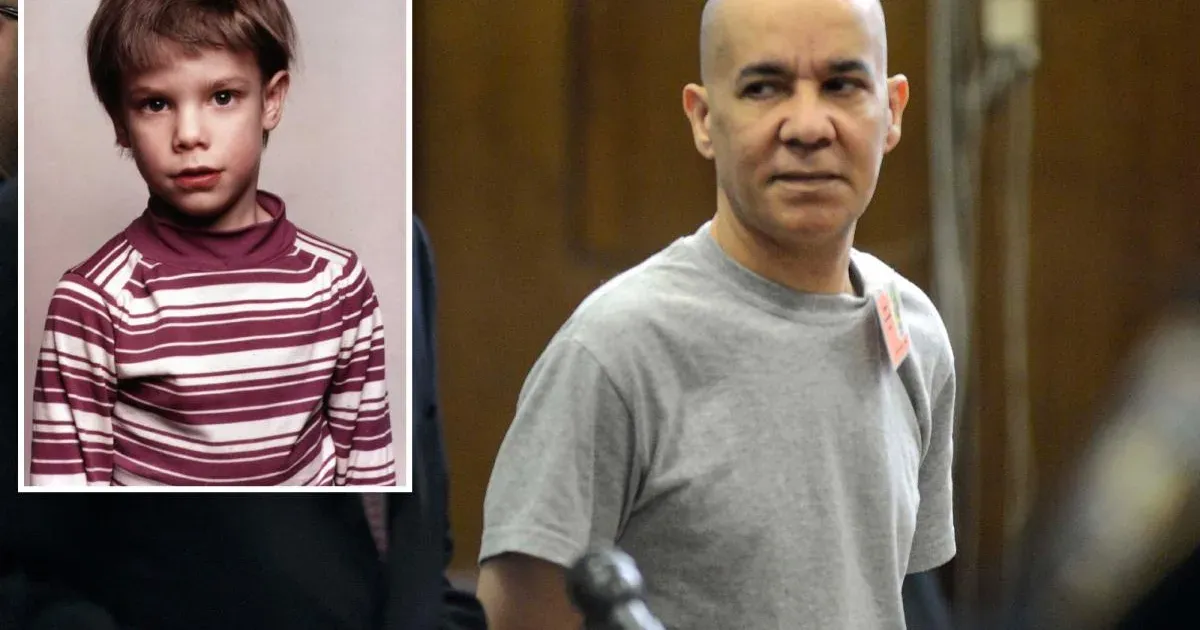
The U.S. Supreme Court has restored the murder conviction of Pedro Hernandez in the Etan Patz case, reviving a judgment tied to one of New York's most famous child disappearance investigations. The decision places the long-running case back on the side of prosecutors after a federal appeals court had disturbed the conviction over jury-instruction issues. The ruling arrived on June 20, 2026, and immediately returned attention to a case that shaped how the country understood missing-child investigations.
Etan disappeared while walking to his school bus in Manhattan in 1979, a case that helped reshape national attention around missing children. On June 22, 2026, the Supreme Court reinstated Hernandez's conviction, according to New York Post coverage of the ruling. The timing is significant because prosecutors had been preparing for the possibility of another trial if the conviction remained vacated. The Supreme Court's move changes that posture, shifting the immediate focus from trial preparation back to the legal consequences of the restored state judgment.
Why the Conviction Was Back Before the Court
Hernandez was convicted in 2017 after prosecutors said he confessed to luring and killing the 6-year-old. His lawyers challenged the reliability and handling of those statements, and later appellate litigation focused on whether the trial process met federal standards.
Pedro Hernandez had faced the prospect of a new trial after lower federal court rulings. Prosecutors asked the Supreme Court to step in, arguing that the appeals court had gone too far in second-guessing the state conviction.
Earlier AP-linked coverage from ABC7 New York and CBS News New York showed how close the case had come to another trial date. Those reports said prosecutors had been preparing for renewed proceedings if the Supreme Court did not restore the conviction.
That procedural history matters because a retrial in a decades-old case would have been difficult for both sides. Witness memory, documentary records, prior testimony and public familiarity with the case all would have shaped a courtroom environment very different from the one prosecutors faced in 2017.
A Cold Case With National Weight
The Patz case carries unusual public weight because Etan's disappearance became a symbol of parental fear, urban vulnerability and the growth of missing-child awareness. His image was among those that helped define a national shift in how families, police and media treated missing children.
For New York, the case has also been a test of institutional endurance. Police, prosecutors, judges and Etan's family moved through generations of leads, suspects and legal theories before Hernandez was charged. That long arc is why each appellate turn has been watched as more than a technical dispute.
Etan Patz was declared legally dead years before Hernandez was charged. The gap between the disappearance and the conviction made the case both a cold-case milestone and a test of how much weight courts should give to delayed confessions and decades-old evidence.
The Supreme Court's action does not erase the controversy around the case. Defense concerns about confession reliability and trial procedure remain part of the record. But the legal effect is clear: the restored conviction removes the immediate path toward a new trial unless further procedural avenues emerge.
That distinction is important for families watching old cases move through modern courts. A restored conviction can bring procedural closure, yet it does not make the underlying history simple. The evidence, the confession dispute and the long delay remain part of how the public understands the case.
Legal Stakes After the Ruling
The ruling matters beyond one defendant because it reinforces how much deference federal courts may owe state criminal judgments. When federal judges review state convictions, the question is often not whether they would have tried the case differently, but whether the state court decision crossed a high legal threshold.
That distinction is central to habeas review and to old cases built on contested statements. The more a federal appeals court reweighs trial decisions, the more likely the Supreme Court is to police the boundary between error correction and deference.
For defendants, the same boundary can feel severe because federal review is often the final route after state appeals end. For prosecutors, it protects verdicts from being reopened unless the constitutional problem is clear under federal law. The Patz decision sits directly on that tension.
For Manhattan prosecutors, the ruling validates years of litigation around a verdict that had become vulnerable on appeal. For defense lawyers in other cases, it is a reminder that federal review is a narrow instrument, not a full retrial of state-court choices.
The case also shows why procedural rulings can carry public meaning. A jury verdict, an appellate reversal and a Supreme Court restoration each answer a different legal question, yet families and communities experience them as chapters in the same unresolved story.
The result leaves prosecutors with a restored conviction in a case that has shaped New York memory for nearly half a century. It also leaves the broader legal lesson intact: in cold cases, the factual record can stay emotionally contested even after the procedural path narrows.