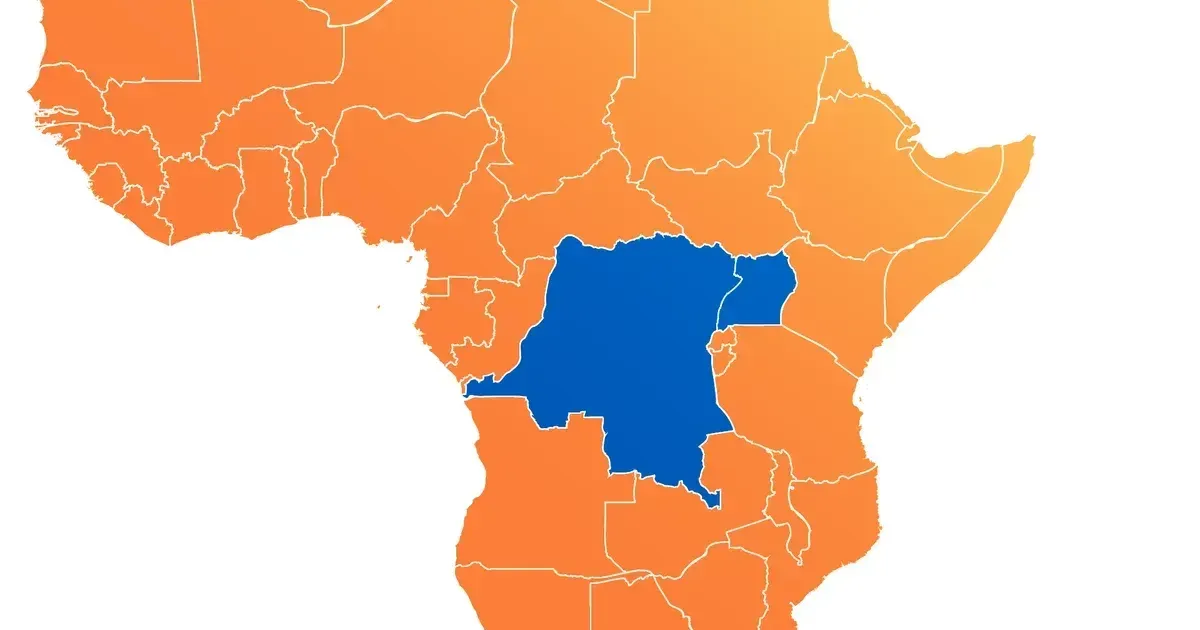
Congolese health officials reported a sharp rise in suspected Ebola cases as the eastern region struggles to contain the outbreak. The rising suspected count shows how quickly surveillance gaps can become a regional emergency. Health workers are trying to keep the outbreak mapped while violence and distrust slow access. On May 24, 2026, Ministry of Communication representatives said the suspected case total had reached 904, with 119 suspected deaths linked to the hemorrhagic fever. The figures point to a response under pressure in communities already strained by conflict and limited health infrastructure. In that setting, delays of even a few days can weaken contact tracing and make official case totals lag behind conditions on the ground.
World Health Organization experts recently raised the internal risk level for the Democratic Republic of the Congo to very high. International monitors still describe the cross-border and global spread risk as low, making regional containment the immediate priority for authorities, aid groups and local clinics working under sustained pressure. That judgment depends on keeping surveillance, isolation and treatment capacity functioning in the eastern provinces. If teams cannot move safely between villages, a formally local outbreak can still become harder to map and slower to contain.
Medical teams in North Kivu and Ituri face physical danger while trying to treat patients and trace contacts. Armed groups and localized violence have disrupted treatment centers, transport routes and field work in recent weeks. Each interruption slows the isolation of symptomatic patients and gives the virus more time to move through households and displaced communities. Health teams also lose access to the local trust needed to identify burial contacts, recent travel and informal caregiving networks.
Violence and Shortages Strain the Ebola Response
Local clinics are short of essential medical equipment. Health workers need personal protective gear, diagnostic kits and reliable water access to separate Ebola from other illnesses that are common in the region. When supplies run short, staff face higher exposure risk and clinics lose the speed needed for effective isolation. Diagnostic delays can also blur the line between Ebola, malaria and other febrile illnesses, forcing clinicians to manage uncertainty in crowded facilities.
Community distrust adds another layer of difficulty. Some residents remain skeptical of medical teams, and mobile units can face resistance when they enter areas with a history of violence or weak state presence. The World Health Organization has previously warned that insecurity can turn a manageable outbreak into a wider regional emergency.
Government representatives emphasized that the 904 suspected cases may not capture the full infection pool. The 119 suspected deaths include fatalities reported in health facilities and at village level, which complicates verification and contact tracing. Deaths outside clinics are especially difficult because investigators must reconstruct exposure chains after families and neighbors have already gathered. Officials are asking for additional international support as stocks of vaccines, treatments and protective equipment tighten in high-risk zones.
Risk Outlook in Eastern DR Congo
WHO assessments show that the low global risk depends on the current geographic concentration of the outbreak. Because the cases remain largely within the eastern corridor, international travel has not faced broad restrictions. Border crossings are nevertheless under heightened monitoring for signs of transmission into neighboring countries, especially where family travel and informal trade continue across porous routes.
Logistics remain the central obstacle for organizations trying to surge resources into Eastern DR Congo. Security concerns prevent stable supply routes, leaving frontier clinics without the tools needed to handle a rise in suspected cases. The next phase of the response will likely depend on protected medical corridors as much as on laboratory capacity. Without predictable routes, even donated equipment can sit outside the places where the outbreak is moving fastest.
The outbreak is therefore a test of both public health coordination and basic access. A very high internal risk does not automatically become a global emergency, but it can worsen quickly if health workers cannot reach patients, communities do not trust the response and supplies arrive too slowly. That is why the case count is being read as both a medical warning and a security warning. Local trust will decide whether those numbers become a clearer map or only a delayed warning. Field reports will matter most now.