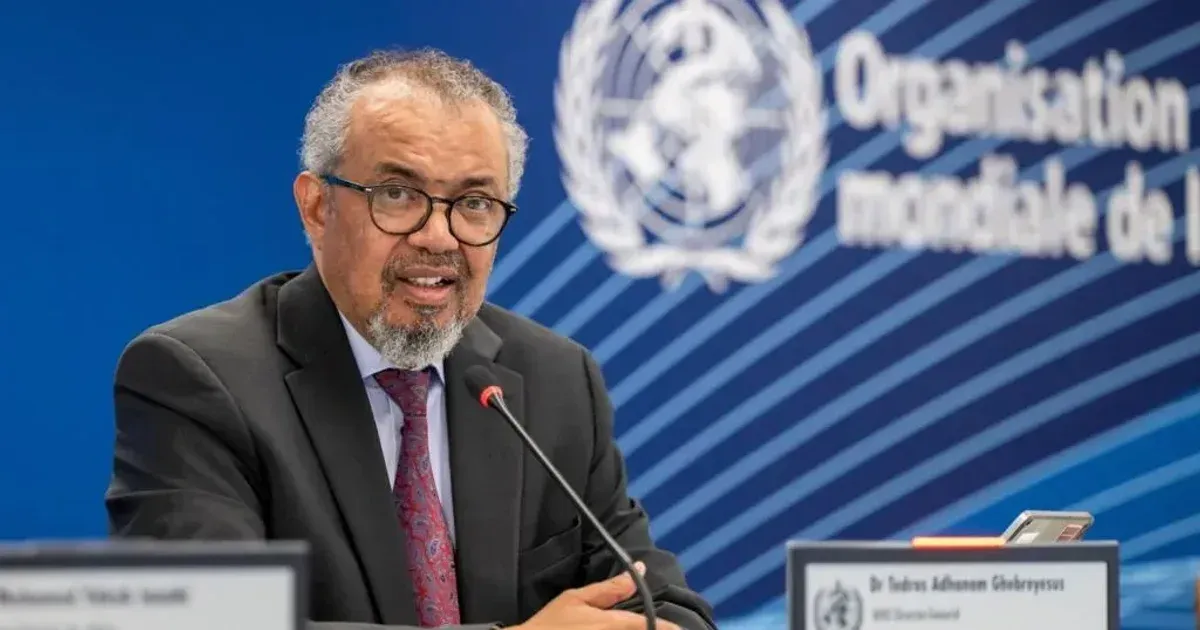
World Health Organization officials raised the Ebola risk in the Democratic Republic of the Congo to very high after a rapid increase in suspected infections. The warning came as health teams worked to contain a fast-moving outbreak in the country's east. By May 22, 2026, case counts had grown quickly enough to force new restrictions in the affected province.
Officials recorded 750 suspected cases and 177 deaths, up from 246 cases and 65 deaths reported earlier in the month. The jump has intensified concern because the outbreak involves the Bundibugyo strain, a less common Ebola variant for which there is no approved vaccine or specific antiviral treatment. That leaves responders relying on isolation, contact tracing, supportive care and community cooperation.
The national risk is now rated very high, while WHO officials continue to describe the global risk as low. That distinction matters because the immediate danger is concentrated in communities where surveillance, safe burials and local trust are under strain. Neighboring countries are still watching border crossings because even a limited spread beyond eastern Congo could change the regional assessment. The warning also raises the urgency for international support, since a slow response in the first weeks of an Ebola outbreak can make later containment far more expensive and disruptive.
Bundibugyo Strain Drives Rapid Risk Shift
Rapid infection growth in eastern Congo has strained clinics and surveillance teams. The World Health Organization raised the risk level because the transmission rate has moved faster than current isolation efforts. Health workers are trying to identify contacts before new chains reach larger towns. That work requires daily follow-up, transportation, protective gear and cooperation from families who may fear isolation centers or distrust official warnings.
The strain itself complicates the response. Previous Ebola campaigns benefited from vaccines and treatment tools designed around the Zaire strain, but those tools do not solve the current Bundibugyo challenge. Without a targeted vaccine, containment depends more heavily on early detection, protective equipment, safe care practices and the willingness of communities to report symptoms quickly.
Responders also face limits caused by funding pressure and insecurity. Aid reductions have left fewer teams available for contact tracing, and distrust in some communities can slow reporting. This surge follows an earlier report on the initial spike of suspected Ebola cases in the eastern region. The speed of the increase is why responders are treating surveillance as an immediate emergency rather than a routine epidemiological update.
Ituri Restricts Gatherings as Cases Rise
Ituri province officials moved to restrict public gatherings in an effort to reduce transmission opportunities. The provincial government issued a decree limiting social events and large meetings while health teams assess whether the outbreak is still expanding. Local police are expected to help enforce the restrictions in markets and other crowded areas.
The measure shows how quickly a public health response can move from clinical care to social controls. Gatherings can accelerate Ebola transmission when people travel, share crowded spaces or attend funerals without protective procedures. Officials are trying to slow those risks before suspected infections spread into harder-to-monitor urban corridors.
Security and logistics remain major obstacles. Medical supplies must move through areas where roads, staffing and community access are uneven. Health officials have also warned that responders need reliable protective equipment and isolation capacity if they are to prevent clinics from becoming transmission points.
Border screening is increasing in nearby countries, including Uganda and Rwanda. Those measures are meant to detect symptoms among travelers without shutting down trade routes prematurely. The balance is delicate: heavy restrictions can harm local economies, but delayed detection can give the virus more time to move. Health ministries in the region are therefore trying to keep screening targeted while preparing hospitals for the possibility of suspected imported cases.
Containment Now Depends on Ituri Regaining Speed
The outbreak is a test of whether a weakened health system can contain a strain for which vaccine tools are limited. Traditional Ebola response still depends on basics: finding cases, isolating patients, tracing contacts and building enough trust that families report symptoms early. Each delay gives the virus another chance to move through households and health facilities.
Financial pressure makes that task harder. Fewer surveillance teams mean fewer visits to remote villages and slower confirmation of suspected chains. When case counts rise quickly, even small staffing gaps can become decisive because the response must reach contacts before symptoms appear.
The regional risk will depend on whether Ituri's restrictions and cross-border screening slow movement from the outbreak zone. If suspected cases continue to rise, neighboring governments may face pressure to tighten travel rules or expand emergency health deployments. For now, the central question is whether responders can regain speed before the outbreak outruns the available containment network. The answer will depend on staffing, community trust and whether restrictions in Ituri reduce contacts quickly enough to bend the case curve.