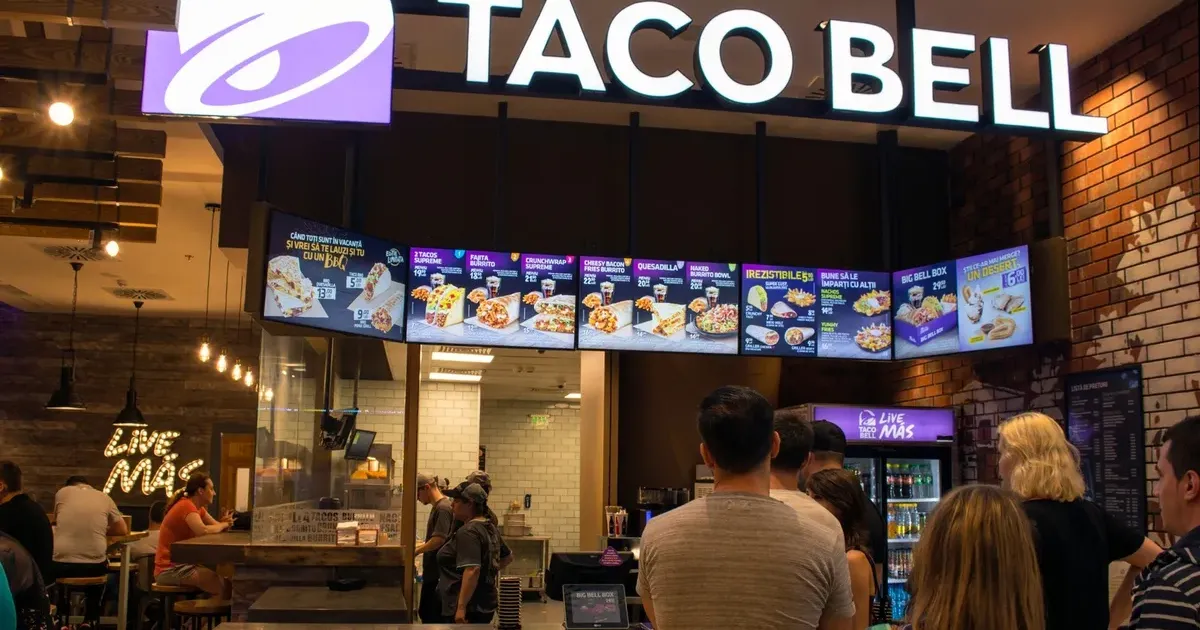
Taco Bell reveals a massive menu overhaul for 2026, featuring over 20 new items including Mexican Pizza variations and Baja Blast skincare products.
◆
Key Points
☼ AI-Generated Summary
◆Taco Bell is launching over 20 new menu items in March 2026, including savory foods and lifestyle products.
◆The iconic Mexican Pizza is receiving several new variations to capitalize on its high demand.
◆A surprising foray into skincare features Baja Blast-branded under-eye patches.
◆Many of the new items will be digital exclusives aimed at increasing mobile app adoption and data collection.
Share
Irvine Sets the Stage for Massive Menu Expansion
March 10, 2026, became the day the quick-service industry stopped to look at California. Taco Bell, the titan of late-night dining, unveiled a sweeping expansion of its menu that includes more than twenty new items, ranging from savory burritos to an unexpected foray into skincare. Such a move indicates a fundamental change in how Yum! Brands intends to capture consumer attention in an increasingly crowded fast-food environment. Analysts at Bloomberg indicate the brand is pushing for a lifestyle-centric approach, while Reuters reports that the primary focus remains on high-margin digital exclusives designed to drive app downloads.
Innovation often defines the survival of modern franchises. Taco Bell has long been a pioneer in creating products that blur the lines between categories, and this latest rollout doubles down on that legacy. Leading the charge is the Mexican Pizza, a fan favorite that saw a triumphant return years ago. Now, the company is introducing multiple variations of the dish, including a Spicy Chorizo version and a Triple-Cheese Veggie option. These iterations satisfy a growing demand for customization and variety within established product lines.
Skincare and Sweets Join the Ranks
Baja Blast under-eye patches might sound like an April Fool's joke, but they are a central pillar of the new marketing strategy. These caffeine-infused patches represent the company's leap into the lifestyle and beauty space, leveraging the cult-like following of its signature neon-green soda. It is a bold gamble that assumes the Taco Bell brand is strong enough to transcend the kitchen. This specific move targets a younger demographic that views fast food not just as a meal, but as a cultural identity.
Sweet treats are also receiving a major upgrade. New Cinnabon Delights flavors, including a dulce de leche variant, are joining the permanent roster. Dessert has historically been an afterthought for taco chains, yet these additions suggest a desire to compete with dedicated snack and coffee outlets. By offering complex sweets alongside traditional burritos, the company aims to increase the average transaction value during off-peak hours.
Twenty new items create a logistical challenge for franchisees across the globe.
Supply chain experts worry that such a rapid expansion could lead to ingredient shortages or increased kitchen complexity. Each new burrito and taco requires specific training for staff who are already struggling with high turnover rates. Still, the brand remains confident that its streamlined assembly process can handle the influx of new recipes. They rely on a core set of ingredients rearranged in clever ways, a technique that has allowed the chain to maintain speed while offering the illusion of endless variety.
The Evolution of the Mexican Pizza
Traditionalists might balk at the idea of messing with a classic, but the Mexican Pizza makeover is born of necessity. Sources within the company suggest that the original return of the item was so successful it nearly broke the supply chain for its specific flat shells. By diversifying the toppings and styles, the brand can better manage inventory and appeal to different regional tastes. The new Double-Stacked Mexican Pizza features an extra layer of beans and beef, aiming to satisfy those who felt the original was too light for a full meal.
But the expansion goes beyond just food. Merchandise and digital experiences are becoming intertwined with the menu itself. Certain items on the list of twenty will be available only through the mobile app, forcing customers into a digital ecosystem where their data can be harvested and their habits tracked. This strategy ensures long-term loyalty and allows for hyper-personalized marketing campaigns that go far beyond what a traditional billboard could achieve.
Consumer feedback will determine which of these twenty items survive the year.
Historical data shows that only a handful of new launches ever become permanent fixtures. Most are designed as limited-time offers to create a sense of urgency. The current list includes a Cheesy Street Chalupa and a series of new Cantina Chicken items, both of which are expected to perform well in suburban markets where health-conscious options are gaining traction. These protein-heavy items represent a pivot away from the calorie-dense image the brand has carried for decades.
Elite Tribune Perspective
Why must we pretend that putting a soda brand on a face mask is a triumph of corporate strategy? The current obsession with turning fast-food chains into lifestyle brands is a desperate attempt to distract from the reality of declining food quality and rising prices. Taco Bell is no longer just selling tacos; it is selling a hollow aesthetic packaged in neon paper and plastic. While the financial markets might cheer the move to introduce twenty new items, the move actually indicates a lack of confidence in the core product. If your tacos were truly exceptional, you would not need to sell under-eye patches to stay relevant. This scattershot approach to menu design creates a confusing experience for the consumer and an operational nightmare for the underpaid workers behind the counter. We are watching the gamification of the American diet, where the novelty of a Triple-Cheese Mexican Pizza outweighs the importance of actual substance. It is time to stop applauding these companies for their marketing gimmicks and start demanding they focus on the one thing they are supposed to do well: feed people. The drive-thru is becoming a carnival, and the joke is on the customer.