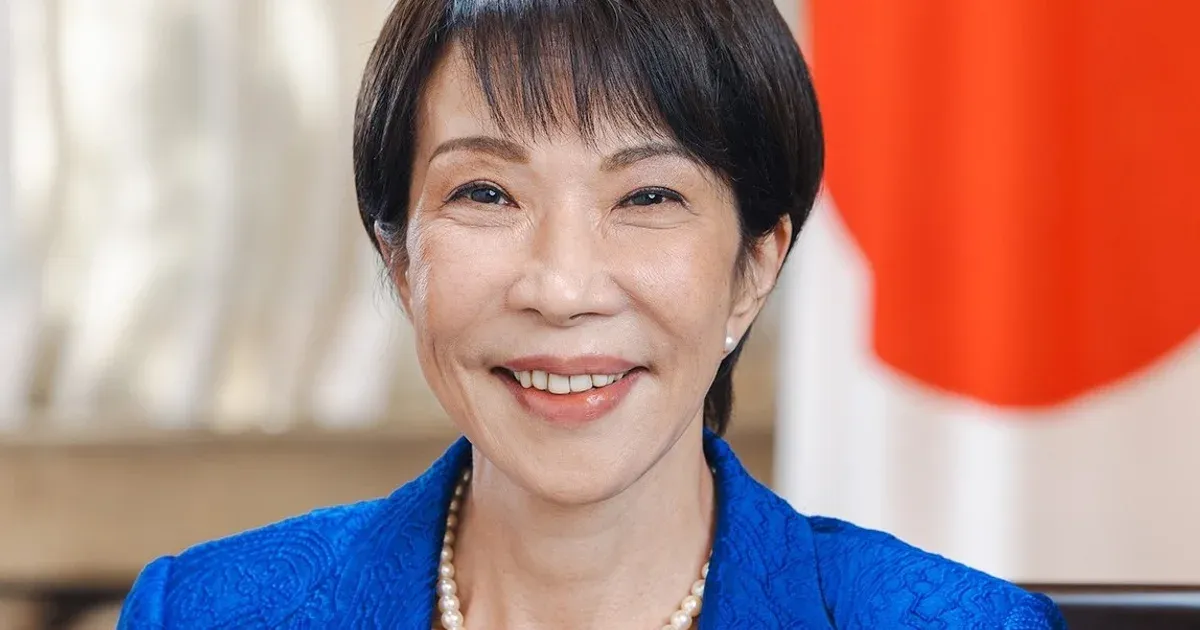
Prime Minister Sanae Takaichi turned a Tokyo meeting with Deep Purple into a reminder of her long public attachment to hard rock. The moment mixed diplomacy, celebrity and political image-making. Her praise for the band was unusually personal for a prime ministerial event. During the April 11, 2026, encounter at the Kantei, she spoke about her history as a drummer.
Political analysts often point to Takaichi's drumming as a key component of her populist appeal. During her rise within the Liberal Democratic Party, she frequently mentioned her love for Iron Maiden and Deep Purple to distinguish herself from more traditional, buttoned-down bureaucrats. One official note from the Prime Minister's Office mentioned that Takaichi kept a set of drumsticks in her personal quarters. She has used this musical background to build a bridge with voters who remember the 1970s rock boom in Japan.
Deep Purple Tour Impacts Japanese Cultural Relations
Deep Purple holds a unique status in Japanese music history because of their 1972 live album, Made in Japan. Recorded at the Budokan in Tokyo and the Festival Hall in Osaka, that record helped define the live album genre for global audiences. Japanese fans maintain a deep loyalty to the various lineups of the band. Ian Gillan and Roger Glover continue to draw large crowds in Tokyo despite the decades that have passed since their initial rise to fame.
Music historians note that the 1972 tour was a moment when Western hard rock became a permanent fixture of Japanese urban culture. Many local guitarists and drummers cite the specific performances on that album as their primary inspiration for entering the industry. Sales of British rock records surged in Japan throughout the 1970s. This specific economic trend laid the groundwork for future cultural exchange programs between London and Tokyo.
Meetings between a sitting world leader and a rock band usually follow a strict protocol of photo opportunities and brief handshakes. Takaichi, however, extended the session to discuss specific riffs and the evolution of the band's sound over the last 50 years.
“You are my god,” Prime Minister Sanae Takaichi told the band during the televised portion of the visit.
Band members appeared receptive to the high-level praise. Ian Gillan, the band's legendary vocalist, remarked on the warmth of the Japanese audience during their current multi-city tour. Vocalists and instrumentalists in the group expressed surprise at the Prime Minister's detailed knowledge of their discography.
Voters often see this side of Takaichi as more authentic than the staged public relations efforts of her predecessors. Previous leaders focused on traditional arts like tea ceremonies or calligraphy to project a sense of national identity. Takaichi prefers the loud, aggressive energy of 1970s hard rock. Drumming requires precision and stamina, traits she often emphasizes in her political speeches. Small segments of the Japanese press have questioned whether such a casual display of fandom is appropriate for the head of government. Most citizens appear to view it as a harmless extension of her personal history.
Kantei officials arranged the meeting as part of a broader effort to highlight Japan's cultural openness. Behind the scenes, staff members prepared for the visit by researching the band's recent setlists and tour history. The interaction lasted nearly thirty minutes longer than scheduled. Heavy metal music rarely echoes through the halls of Japanese power. Every member of the current Deep Purple lineup received a commemorative gift from the Prime Minister’s Office.
Ian Paice, the band's longtime drummer, chatted with Takaichi about technical aspects of drumming and the physical demands of long tours. Paice has remained the only constant member of the group since its inception in 1968. Takaichi inquired about his longevity in the industry and the changes he observed in Japanese venues over fifty years. Paice noted that the acoustic quality of the Budokan remains a global gold standard. Global touring logistics have changed sharply since the 1970s, yet the enthusiasm of the Tokyo crowd persists.
Japan remains the second-largest music market in the world, with a persistent preference for physical media like CDs and vinyl. British acts like Deep Purple and Led Zeppelin helped establish the foundation for the Visual Kei and J-Metal movements that emerged in later decades. Record sales for Deep Purple in Japan have stayed strikingly stable compared to other international markets. Commercial stability provides an incentive for aging rock acts to prioritize Tokyo and Osaka on their global itineraries. British cultural exports to Japan total billions of yen annually, with music and film leading the sector. Institutional support for rock music in Japan includes specialized magazines and dedicated radio stations that cater to an aging demographic with high disposable income. These fans are the same individuals who now form the core voting bloc for the Liberal Democratic Party. Takaichi's alignment with this demographic is a strategic choice. Her admiration for the band is not just personal. It is a form of cultural anchoring that connects the modern Kantei to the nostalgic peak of Japan's postwar economic miracle.
Rock Fandom as Political Signal
Western observers might view the deification of a 1970s rock band by a head of state as a whimsical quirk of Japanese politics. Such a perspective misses the calculated brilliance of the Takaichi branding machine. By calling Deep Purple "gods," Takaichi is doing more than expressing fangirl enthusiasm. She is performing a ritual of shared nostalgia with the most powerful demographic in Japan: the wealthy, aging baby boomers who came of age during the 1972 Budokan shows. These are the voters who keep her party in power. She has successfully transformed her identity as a drummer into a shield against the sterile, robotic image that often plagues female politicians in East Asia. Authenticity is the most valuable currency in modern populism. Takaichi is wealthy, hawkish, and conservative, yet her devotion to hard rock provides a veneer of rebellious spirit that her rivals cannot replicate. She has effectively colonized a subculture to serve the interests of the state. This is not metal diplomacy. It is the weaponization of the Marshall stack. While her critics may scoff at the hyperbole, the image of a Prime Minister bowing to Ian Gillan is worth more than a thousand policy white papers in the eyes of the electorate. She understands that in the theater of politics, the drumbeat is more persuasive than the data point. Takaichi wins by being the loudest person in the room.