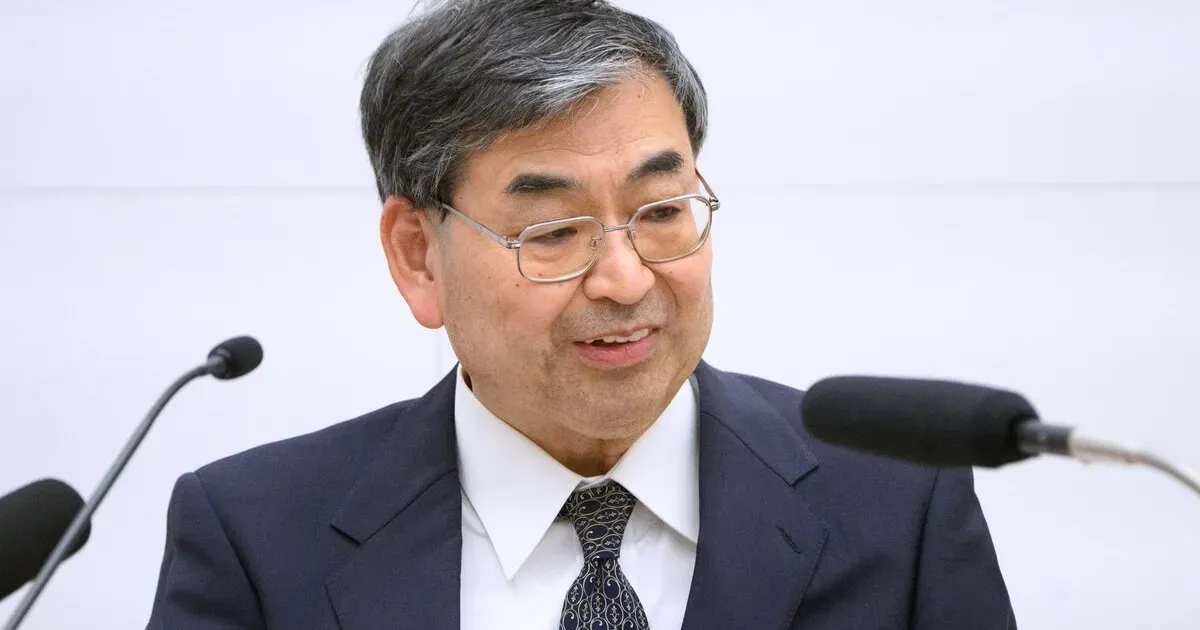
Toichiro Asada took his seat on the Bank of Japan board, signaling a retreat from his previous policy stances in favor of a strictly data-dependent approach. On April 1, 2026, Sanae Takaichi picked the economist to ensure her preferences for cautious tightening reached the highest levels of monetary decision-making. Observers expected a more aggressive defense of reflationary tactics, but the inaugural press briefing revealed a diplomat determined to avoid unsettling global markets. Asada sat before a gallery of journalists at the Nihonbashi headquarters, choosing words that prioritized stability over ideological purity.
His appointment comes at a moment when Bank of Japan Governor Kazuo Ueda seeks to normalize interest rates without triggering a recession. Asada, known in academic circles for his critiques of rapid tightening, refused to commit to any specific timeline for future hikes. He emphasized that every decision would rest on the evolution of inflation and wage growth metrics. Analysts at major Tokyo brokerages noted that his tone differed sharply from the more provocative rhetoric he used before joining the nine-member board.
Political Ties and Economic Philosophies
Connections between the new board member and the political establishment run deep. Sanae Takaichi has long advocated for a policy mix that favors growth through fiscal spending and accommodative monetary settings. By placing a trusted ally on the board, she strengthens her hand in the ongoing debate over Japan’s exit from decades of ultra-loose policy. This appointment is a strategic counterweight to the more hawkish members who worry about the declining value of the yen and the depletion of the central bank’s toolkit.
Economic history shows that board members often temper their views once they assume official responsibilities. Asada followed this trajectory, speaking carefully about the 2% price stability target. He acknowledged the progress made in recent wage negotiations, yet he insisted that the sustainability of these gains remains unproven. Japan’s largest labor unions recently reported the highest pay increases in decades, providing the BOJ with a potential justification for higher rates. Asada remained unmoved by these preliminary figures, calling for more complete data sets from small and medium-sized enterprises.
"I intend to examine the data thoroughly without a predetermined bias toward any specific policy direction," Asada said during his inaugural briefing at the central bank.
Asada Confronts Mounting Inflation Pressure
Consumer price indices in Japan have consistently stayed above the 2% target, placing immense pressure on the board to act. Asada addressed these concerns by highlighting the difference between cost-push inflation and demand-pull growth. He suggested that rising import costs, driven by a weak yen, do not automatically require a rate hike if domestic demand stays weak. His focus remained on the underlying health of the Japanese consumer, who continues to struggle with the rising cost of energy and food. Internal reports suggest that private consumption has stalled, complicating the path toward normalization. The approach of Bank of Japan Governor Kazuo Ueda remains under scrutiny as the board navigates manufacturing sector performance.
Market participants had searched for clues regarding a potential move in the second-quarter of 2026. Asada provided none. He instead focused on the technicalities of the yield curve control exit, which the bank initiated earlier in the year. His primary concern appears to be the stability of the Japanese government bond market. Rapid shifts in interest rates could cause large losses for local banks holding large portfolios of these securities. Financial stability, in his view, carries equal weight with price stability.
Market Expectations for Monetary Normalization
Investors across the globe watch these appointments with scrutiny because of Japan’s role as a major creditor nation. Any hint of a faster-than-expected rate hike can trigger a repatriation of capital, affecting everything from US Treasury yields to Australian mortgage rates. Asada’s cautious stance provided a brief respite for those betting against a summer hike. The yen traded within a narrow range following his remarks, suggesting that the market has already priced in his reputation as a moderate. $11 billion in short positions on the yen reflects a market that still doubts the bank’s resolve.
While Bloomberg suggests a possible rate hike in July, other sources close to the Bank of Japan argue that Asada’s caution indicates a delay until the autumn. His insistence on seeing the results of the second-quarter GDP figures supports this latter view. Japanese businesses are currently caught between the desire for a stronger currency to lower input costs and the fear of higher borrowing expenses. Asada seems sharply aware of this tension, mentioning the fragile recovery of the manufacturing sector twice during his briefing.
Policy Shift Tests Takaichi Influence
Takaichi’s influence on the central bank is a broader trend of political encroachment on monetary independence. Although the Bank of Japan maintains legal autonomy, the government’s power to appoint board members creates a natural bridge for political preferences. Asada is the latest piece in a puzzle that aims to prevent the bank from moving too far, too fast. His performance at the briefing showed he is a quick study in the art of central bank communication, where saying nothing clearly is a valuable skill. Professional observers noted he avoided every trap set by reporters looking for a headline-grabbing quote.
This careful maneuvering might buy the government time to implement its own structural reforms. Asada mentioned that monetary policy alone cannot solve the demographic challenges facing the country. He argued that the bank provides the environment for growth, but the actual growth must come from the private-sector and government policy. His focus on productivity and capital investment aligns with the administration’s stated goals. He closed his session by reiterating his commitment to transparency, though his first appearance was defined more by what he did not say.