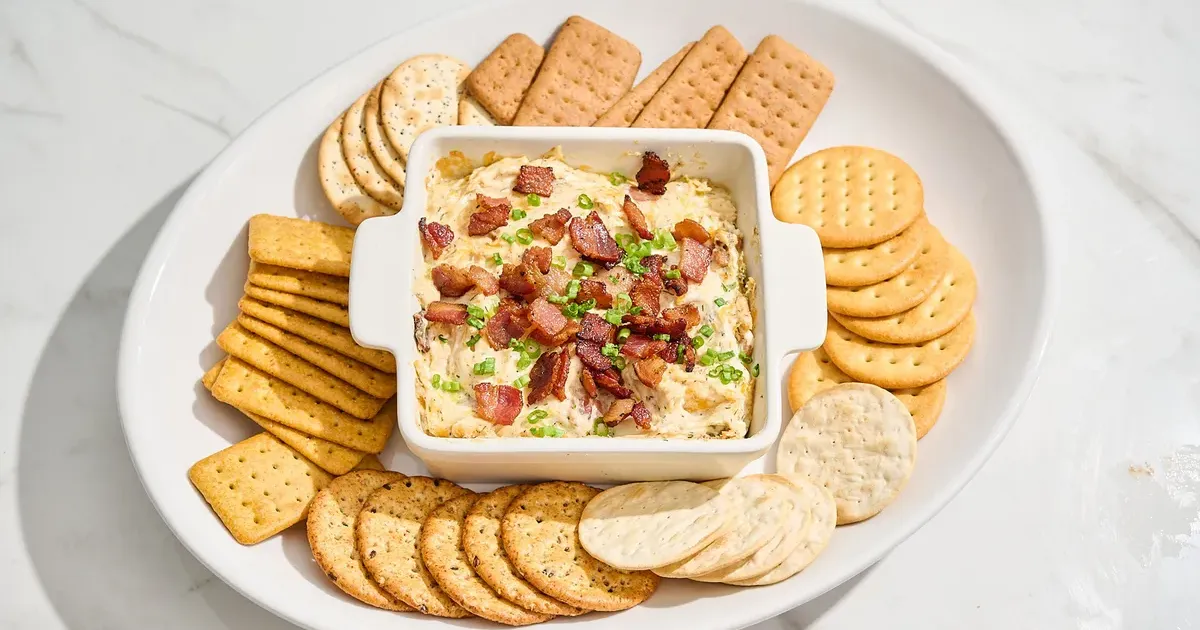
Manhattan digital food labs are prioritizing high-calorie comfort and aggressive fusion profiles as the 2026 spring season begins. Tasting Table recently published two distinct features that highlight a strategic shift toward maximalist ingredients. One entry targets the American domestic palate through a chicken bacon ranch dip, while the second explores Mexican-inspired street food via an elote-style avocado toast. Both recipes indicate a move away from the minimalist health trends that dominated the early 2020s.
Food media analytics suggest that consumers are more and more seeking dense, protein-heavy snacks that serve as standalone meals. This chicken bacon ranch dip utilizes shredded poultry and crispy bacon bits to anchor a heavy dairy base. Ranch seasoning, a profile that has dominated American snack aisles for decades, provides the primary aromatic component. Data from the retail sector shows ranch-flavored products consistently outperform more traditional herb-based dips in the Midwest and Southern United States.
Chicken Bacon Ranch Dip Performance Analysis
Domestic dip culture has evolved into a multi-billion dollar industry driven by televised sports and social gatherings. According to industry reports, the ranch dressing market alone reached a valuation of $1 billion in 2023. This specific iteration focuses on texture, layering shredded chicken with melted cheese to create a pull that performs well on short-form video platforms. The inclusion of bacon adds a smoke profile that appeals to the savory-seeking demographic.
But the reliance on these ingredients reflects broader economic trends in the poultry market. Chicken prices have remained relatively stable compared to beef, making shredded poultry a cost-effective bulk ingredient for digital publishers. Bacon, though subject to price volatility, remains a high-engagement keyword for search engine optimization.
This chicken bacon ranch dip features shredded chicken, crispy bacon, ranch-inspired seasoning, and plenty of rich, cheesy, dippable goodness.
Cheesy dip recipes often see a 30% spike in traffic during the first quarter of the year. This surge coincides with major sporting events and late-winter indoor socializing. Tasting Table editors appear to be capitalizing on this historical traffic pattern by reintroducing classic combinations with enhanced visual appeal. The recipe eschews complicated techniques in favor of assembly-style cooking.
Kitchen efficiency has become a metric for success in the digital recipe space. Most users spend less than four minutes reading a recipe before deciding to prepare it. By focusing on shredded chicken and pre-made seasonings, the publication reduces the barrier to entry for novice cooks. Still, the nutritional density of such dishes has drawn critique from health-focused competitors. The calorie count per serving in these ranch-based dips often exceeds that of a standard dinner entree.
Elote Avocado Toast and Culinary Appropriation
Mexican street food traditions are more and more being repurposed for quick-service digital recipes in coastal urban centers. The elote-style avocado toast released this month combines charred fresh corn with a spicy mayonnaise blend. Traditional elote uses cotija cheese and lime, elements reflected in the tanginess of this new version. It attempts to elevate the standard avocado toast, which some critics labeled a dead trend as early as 2019.
Fusion remains the primary driver of engagement. Charring the corn provides a bitter contrast to the high fat content of the avocado and mayonnaise. In fact, the use of a tangy and spicy seasoned mayonnaise suggests a pivot toward the flavor profiles of Mexico City street vendors. The move targets younger urban professionals who frequent high-end brunch establishments. These consumers often look for ways to replicate expensive restaurant experiences at home for a fraction of the cost.
Avocado prices have fluctuated wildly in early 2026 due to supply chain disruptions in Central America. Despite these costs, the fruit remains a staple of the American breakfast identity. Digital publishers continue to feature avocado-centric recipes because the visual contrast of green fruit against charred corn remains highly clickable. For one, the aesthetic of the dish is as important as the flavor profile in the current media environment.
Street corn, or elote, has seen a 400 percent increase in menu mentions over the last decade. The popularity has transitioned from food trucks to mainstream digital platforms. By combining it with avocado toast, Tasting Table is merging two high-performance search terms into a single piece of content. The strategy is transparent and effective for maintaining search engine dominance. Each ingredient is selected based on its historical click-through rate.
Digital Content Strategies at Tasting Table
Revenue models for food websites now rely heavily on programmatic advertising tied to specific ingredient keywords. When a recipe features bacon or avocado, the backend advertising systems can target users with higher-value grocery ads. The financial reality dictates the creative direction of many digital test kitchens. Recipes are no longer just culinary guides, they are vehicles for data harvesting and retail placement. Hidden Valley and other major condiment brands often see secondary benefits from the promotion of ranch-heavy content.
Meanwhile, the competition between platforms like The Kitchn and Tasting Table has led to a saturation of similar recipe formats. Both outlets have moved toward a more aggressive, high-contrast photography style. The visual approach emphasizes the texture of the melted cheese or the char on the corn. In turn, the actual cooking instructions have become more streamlined and less technical. The goal is rapid consumption of the content itself.
Technique has taken a backseat to assembly. Preparing the elote toast involves little more than charring corn and mixing mayonnaise, a task that requires minimal culinary skill. The democratization of cooking ensures a wider audience but potentially devalues the professional expertise of the chefs behind the scenes. Even so, the traffic numbers justify the focus on simplicity. Engagement metrics remain the only true currency in the digital food economy.
Future trends suggest a continued interest in global fusion that can be executed in under twenty minutes. The combination of domestic comfort like ranch and international staples like elote is safe middle ground for risk-averse publishers. Content creators must balance the desire for novelty with the proven safety of high-fat, high-salt ingredients. Retailers report that corn and avocado sales remain resilient even during inflationary periods.
The Elite Tribune Perspective
Culinary innovation is dead, replaced by a cynical algorithm that prioritizes salt and fat over actual technique. We are watching the slow death of the American kitchen as digital platforms strip traditional dishes of their soul to feed a never ending hunger for clicks. These recipes are not designed to be cooked so much as they are designed to be scrolled. They represent a race to the bottom where the most caloric, visually jarring combination wins the day.
Why learn the nuance of a French mother sauce when you can just dump a packet of ranch seasoning into a bowl of shredded chicken and call it a masterpiece? The homogenization of the global palate is well underway, led by editors who care more about their search engine ranking than the health or education of their readers. There is no craft in charring corn just to put it on a piece of bread that has already been a meme for ten years. It is a desperate attempt to stay relevant in a market that has already moved on.
If this is the future of food media, we are destined for a diet of processed shortcuts and cultural theft packaged as modern convenience. It is time to stop pretending that these digital assembly guides are anything other than a delivery system for grocery store advertisements.