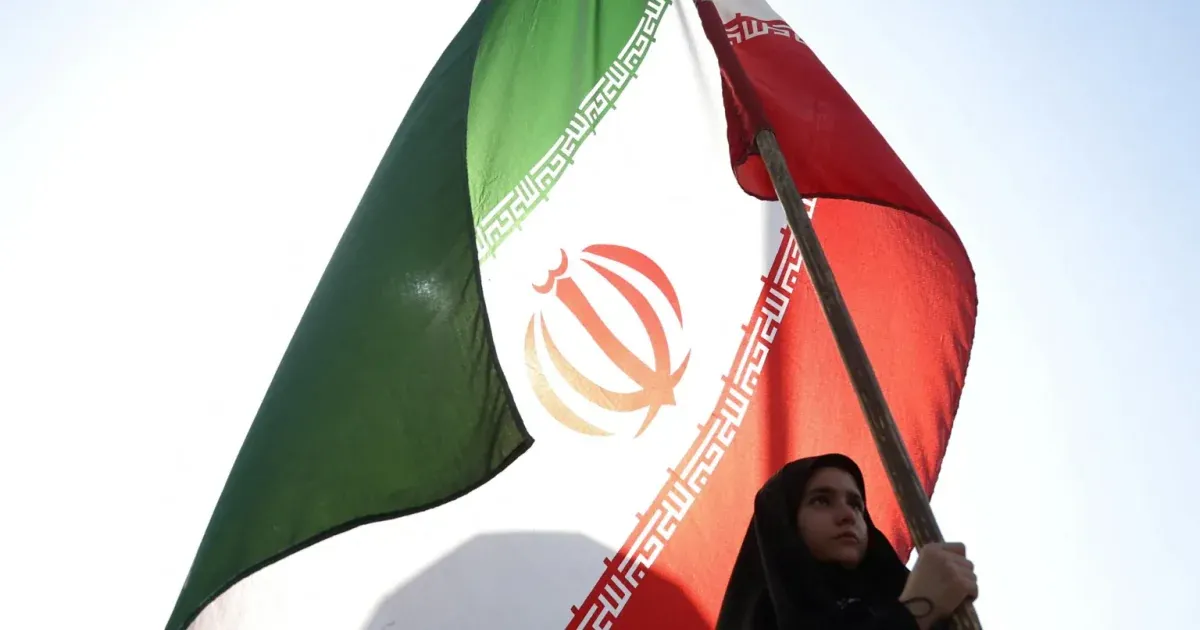
Tehran officials began marketing a newly brokered agreement with the United States as a decisive triumph of Iranian diplomatic willpower. The domestic message is already clear. Iranian officials want the agreement to look like vindication rather than compromise. State broadcasters began airing celebratory footage across the capital on June 16, 2026, positioning the diplomatic breakthrough as a successful resistance against Western economic coercion. Domestic audiences were told that the government secured major concessions without compromising on core sovereign interests, a narrative intended to project strength to both regional rivals and internal critics. High-ranking members of the administration suggested that the terms of the deal validate their long-term strategy of endurance under pressure. Propaganda posters appearing in central squares emphasize this theme, illustrating the agreement as a surrender of American policy rather than a compromise by Tehran.
Prices for essential goods, however, continue to dictate the reality for millions of families living far from the political centers of power. While the government frames the deal through the lens of national pride, the primary concern for the average citizen is the immediate stabilization of the Iranian rial. Inflation has eroded the purchasing power of the middle class for years, turning basic grocery shopping into a source of daily anxiety. Families are less concerned with who won the rhetorical battle in Washington and more focused on whether the price of bread, poultry, and cooking oil will finally plateau. Economic survival has become the lens through which every diplomatic shift is viewed by the Iranian public.
Public sentiment appears driven by exhaustion after years of fiscal volatility.
Economic Relief and Sanctions Reversals
Sanctions relief promised under the new framework could provide the necessary liquidity to halt the freefall of the domestic currency. Analysts suggest that unfreezing billions of dollars in overseas assets is a requirement for any meaningful recovery in the retail sector. Retailers in the Grand Bazaar have expressed cautious hope that the influx of foreign exchange will lower the cost of imported raw materials. Manufacturers have struggled for months to secure parts for machinery, leading to stalled production lines and rising unemployment in industrial hubs. If the agreement enables the return of standardized trade, these production bottlenecks may begin to clear, potentially lowering the consumer price index in the coming quarters.
Energy exports represent the most meaningful variable for the national budget and the broader economy. Global markets reacted with volatility to the news, though Tehran expects a steady increase in crude shipments as maritime restrictions are clarified. Success in the oil sector would theoretically allow the government to fund social safety nets that have been gutted by consecutive years of austerity. Many economists argue that the sheer scale of the current deficit makes this agreement an absolute necessity for state functionality. Without a reliable stream of revenue from energy sales, the government risked a systemic failure of public services, including healthcare and municipal infrastructure. Oil-supply volatility remains another threat to Iran's long-term economic stability.
Regional security fears also weigh heavily on the collective psyche of the nation.
Public Skepticism of Diplomatic Triumphalism
Fear of a widespread military conflict has influenced public behavior as much as the rising cost of living has in recent months. Citizens have lived under the shadow of potential strikes on infrastructure, leading to a climate of persistent stress that the state narrative of victory fails to address. Success, for many residents, is measured by the removal of a looming war threat that has dictated travel plans, investment decisions, and even daily routines. This desire for normalcy often conflicts with the aggressive posturing favored by hardliners in the security apparatus. A reduction in regional tensions is viewed as a requirement for any sustainable return to economic growth.
Negotiations were characterized by the state as a chess match, yet the public sees the outcome as an essential lifeline. Success in these talks is not measured by the details of the legal text but by the availability of affordable medicine and the stability of the housing market. Domestic stability is increasingly tied to these real outcomes, making the victory narrative a risky gamble if the economic benefits do not materialize quickly. Failure to deliver a visible improvement in the standard of living could turn the current celebration into a source of renewed public frustration. Household budgets are the ultimate arbiter of the deal's effectiveness.
"For many Iranians, the question is not whether the deal means victory, but whether it lowers prices and reduces fear of another war," according to a report from the BBC World.
Diplomatic success remains a secondary concern for those struggling to afford rent in Tehran's northern districts. Food security and the prevention of kinetic conflict are the metrics that will define the legacy of this agreement for the general population. While the government maintains its stance of defiance, the underlying driver for the deal was the urgent need to stabilize a fracturing economy. Success will be determined on the streets, not in the halls of state-run media offices. The United States and Tehran have reached a formal end to the latest deadlock, but the domestic consequences are only beginning to unfold.