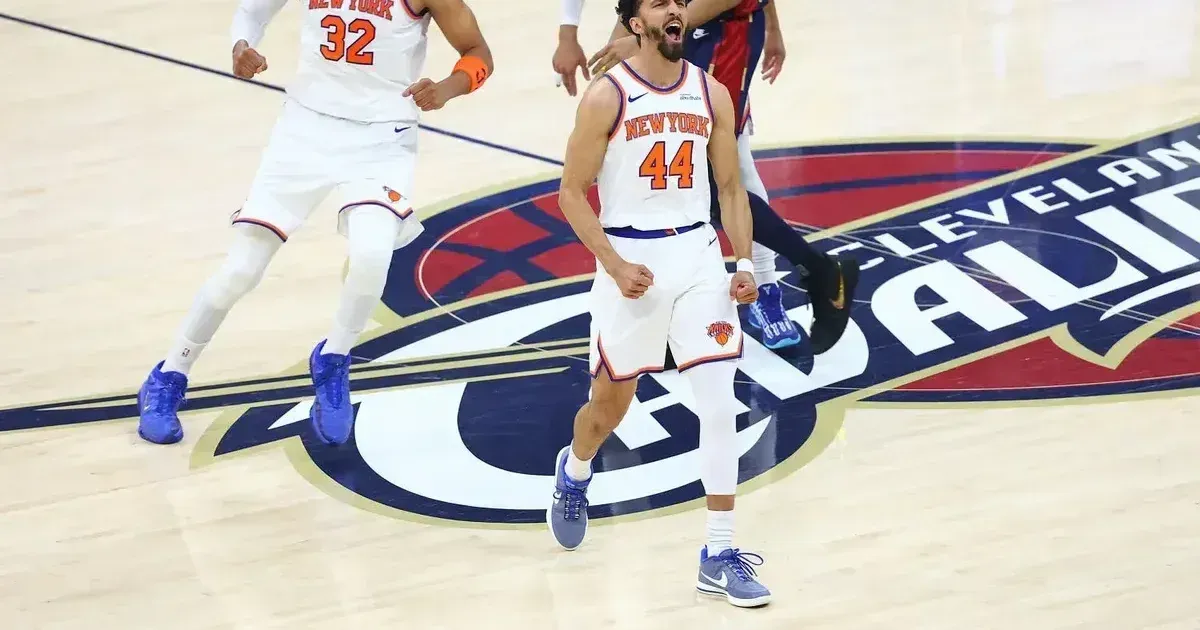
Professional sports markets are facing sharp price volatility as secondary ticket listings for the NBA Finals and the World Cup reach new highs. The price increases show how major sports events are turning scarcity into a broader consumer story. Fans are being asked to absorb higher costs across tickets, travel and hotel rooms at the same time. The pricing pressure is especially visible because both events already carry heavy travel and lodging demand. Internal records reviewed on May 29, 2026, indicate that admission costs have moved beyond the reach of traditional spectators. While resale platforms boast record-setting asking prices, physical occupancy in certain host territories tells a different story. Primary inventory for the most anticipated matchups remains sparse, but the broader economic impact on host cities is proving more complex than simple sell-outs.
TJ Quinn, an investigative reporter for ESPN, revealed that current pricing models are designed to capture more value from the secondary market. This shift ensures that the windfall from high demand flows back to leagues and specialized brokers. High-end hospitality packages are selling quickly, yet middle-tier seating and standard hotel rooms in tournament hubs show unexpected vacancy. Retail fans are facing a wall of pricing that often exceeds several thousand dollars per seat.
High entry costs now define the elite fan experience.
Economic Friction in Host Cities
Local economies in World Cup host cities are showing signs of strain despite the global profile of the tournament. Recent reports indicate that hotel room bookings are lagging sharply in several metropolitan areas. Potential visitors appear to be recoiling from the combined cost of travel, lodging, and inflated ticket prices. Newsweek reports suggest that concerns of a potential commercial flop are rising among local business owners who expected a total saturation of the market.
FIFA organizers are looking toward the later rounds of the tournament to correct this downward trend. Knockout matches traditionally draw a more affluent, global audience that is less sensitive to travel costs. Current data shows that while group stage interest is soft in certain regions, the final stages are already seeing inventory depletion. Hotel operators have begun adjusting their rates to attract last-minute travelers who were previously priced out of the market.
Knockout matches remain the clearest opportunity for regional tourism boards to recover some of the expected visitor spending.
Investigative Analysis of Pricing Models
Investigative findings from ABC News highlight the mechanics behind these surging costs. During a discussion with Linsey Davis, Quinn explained that algorithmic pricing has fundamentally changed the landscape. Platforms now adjust prices in real-time based on social media sentiment and betting market trends. This technical shift has made bargains harder to find for high-profile events like the NBA Finals, especially when corporate demand rises close to game day.
"High ticket prices are no longer just a symptom of demand but a deliberate strategy to capture every cent of the secondary market," according to ESPN investigative reporter TJ Quinn.
Secondary market platforms have integrated directly with league offices to ensure a seamless, albeit expensive, transfer of titles. Records from previous seasons show a steady 15% year-over-year increase in baseline entry costs. Future projections suggest that these prices will stay high as long as corporate sponsors continue to absorb large blocks of premium seating. Individual consumers are increasingly displaced by firms using these events for high-level networking.
Pricing for the opening games of the championship series now starts at $4,200 on major resale sites.
Market Fallout
Conventional wisdom suggests that record-high ticket prices signal a booming sports economy, but the reality is more fragmented. The pattern points to a decoupling of ticket value from local economic health. The elite tier of sports consumption is thriving while the broader fan base is being relegated to broadcast viewing. The trend creates an unstable situation for host cities that built infrastructure based on the expectation of enormous, diverse crowds.
If the World Cup knockout stages do not trigger a marked influx of spending, several municipalities could face serious budget shortfalls. The investment in stadium upgrades and security services was based on a 98% occupancy rate across all sectors. Instead, the market is seeing a concentration of wealth in the VIP boxes while standard grandstands remain partially empty. Sports leagues may eventually need to decide if they value the atmosphere of a packed house over the high-margin returns of a half-empty luxury venue. The long-term health of these global brands depends on their ability to maintain a connection with the public. A sports economy that exists only for the wealthy risks losing its cultural relevance within a generation.
Teams and event organizers are already testing ways to soften the backlash without abandoning premium pricing. Some clubs are reserving smaller blocks of face-value seats for verified local fans, while tournament officials are reviewing hotel partnerships and travel packages that could reduce the total cost of attendance. Those measures may not reverse the broader market trend, but they could help preserve the sense that major events remain accessible beyond sponsors, brokers, and corporate guests. Without that balance, leagues risk trading short-term revenue gains for a weaker long-term relationship with ordinary fans. For organizers, the pricing debate is now part of event planning because frustrated fans can turn a showcase into a story about access and exclusion. Secondary-market platforms will face pressure to explain fees and inventory controls before the next sales window, while local officials must plan for the hotel demand, parking pressure and crowd-management costs that expensive tickets can bring. Leagues and venue operators will face the same question from fans and sponsors: how much scarcity and price pressure can a marquee event absorb before access becomes the story?