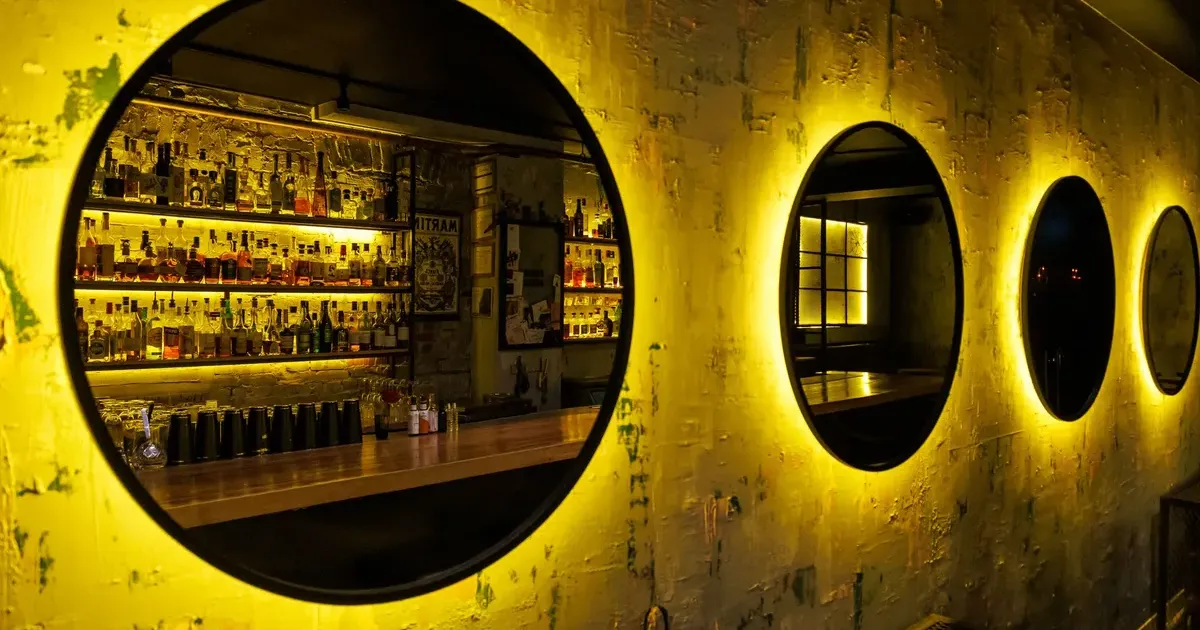
Toronto's bar scene has become one of the clearest ways for visitors to understand the city after dark. The strongest rooms are not selling cocktails alone. They are selling neighborhood identity, design, food, views, Canadian ingredients and a service culture that now looks confident enough to travel for.
The city does not need to claim it has replaced New York, London or Tokyo to make the point. The narrower claim is stronger: Toronto now has enough distinctive bars across enough parts of the city that a visitor can build a real nightlife route instead of treating drinks as an afterthought after dinner.
The Map Is Spread Across Neighborhoods
Toronto works best because the bar scene is not locked inside one polished strip. Ossington, Queen West, Bloorcourt, Little Italy, Yorkville and downtown hotel corridors all offer different versions of the city. The neighborhood spread matters for travelers because it turns a night out into a way of moving through Toronto's texture.
Civil Liberties remains a useful example because its no-menu, bartender-led style asks guests to trust the room. Bar Raval uses design and Spanish-style food culture as part of the drink experience. Mother has built attention around fermentation, house-made ingredients and a more experimental identity. These are not interchangeable hotel-lobby cocktails with different garnishes.
Lists Have Made the Scene Easier to See
Toronto's rise is also more visible because outside rankings have started to reinforce it. In 2026, North America's 50 Best Bars attention included Toronto names such as Bar Pompette, Library Bar, Mother and Civil Works. Canada-focused lists continue to keep Civil Liberties and other local rooms in the conversation.
Lists are imperfect, but they help visitors. A traveler with two nights in town needs a starting point. Rankings, local guides and food-media coverage create that first route, then neighborhood movement fills in the rest. The risk is that list attention can turn a scene into a checklist. The best nights still come from matching the room to the mood, not from chasing every ranked door.
Hotel Bars Add a Different Register
The Library Bar at the Fairmont Royal York and Writers Room at the Park Hyatt show another side of Toronto drinking. They lean on history, polish, service and views rather than neighborhood informality. That range is useful because a serious bar city needs more than one tone.
A visitor can start with a hotel martini, move to a design-heavy food bar, then finish at a small room where the bartender builds the drink from a conversation. The range keeps the city from sounding like a single luxury script. It also gives different travelers a way in: business guests, food-focused visitors, locals meeting friends and people who mainly want a view.
Canadian Spirits Work Best Without Speeches
Toronto bars are strongest when local identity improves the drink instead of turning the menu into a civic presentation. Canadian whisky, regional produce, house ferments, local beer and domestic vermouth can all matter, but only if they fit the glass. Guests notice quality before geography.
The best rooms therefore do not need to lecture visitors about place. They let the drink, staff and setting do the work. A city earns bar credibility when local ingredients feel natural rather than branded.
The Business Remains Fragile
The travel-guide version of bar culture looks easy: dim rooms, good glassware, full stools and beautiful photos. The business underneath is much harder. Rent, staffing, licensing, insurance, food costs and late-night labor can strain even busy venues. International attention helps, but it can also raise expectations and neighborhood costs.
The durable lesson is that Toronto's nightlife appeal was built locally before visitors noticed it. If the city wants the travel pitch to last, it has to leave room for small operators, odd concepts, skilled bartenders and bars that serve regulars before they serve lists. The scene is interesting because it is varied. Flatten it into one premium formula, and the thing worth traveling for starts to disappear.