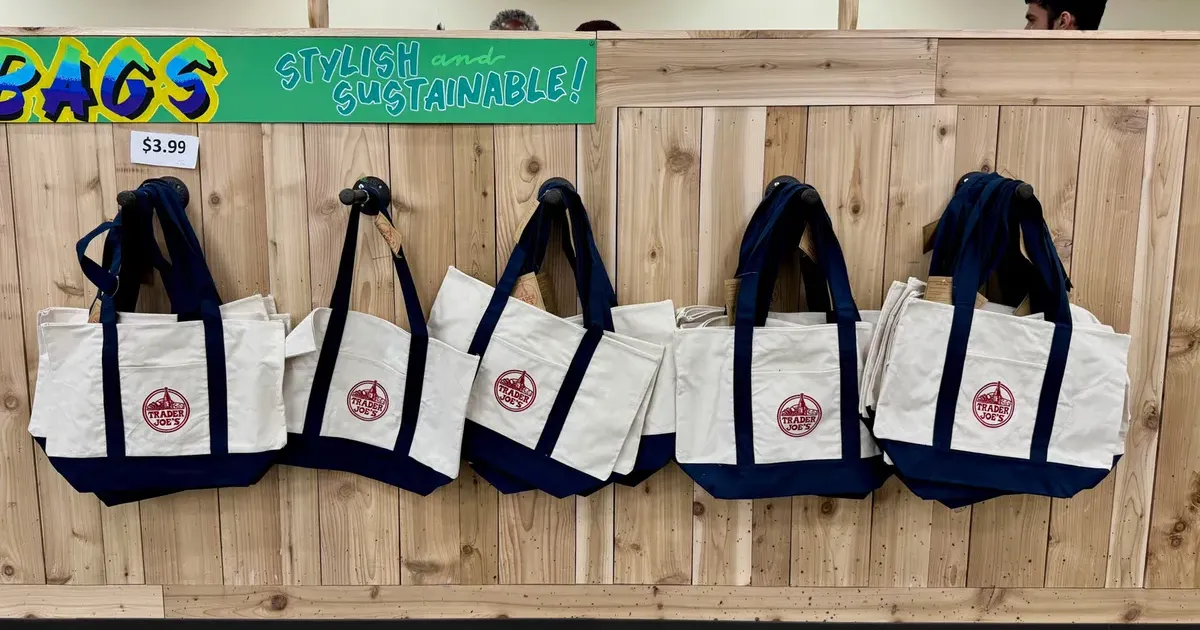
Trader Joe's Workers Brace for Reusable Bag Violations
Investigating the cultural and culinary divide at Trader Joe's as workers reveal checkout etiquette blunders and critics rank the best and worst dairy.
◆
Key Points
☼ AI-Generated Summary
◆Placing reusable bags at the bottom of a cart is a major breach of etiquette that slows down store operations.
◆Trader Joe's private label dairy excels in specialty cheeses like Unexpected Cheddar and Burrata.
◆Soft dairy products such as ricotta and cottage cheese are frequently criticized for poor texture and consistency.
◆The private label model allows for lower prices but can result in inconsistent quality across different product categories.
Share
Urban Grocery Habits and the Checkout Crunch
Monrovia, California, serves as the nerve center for a grocery chain that has achieved a level of cult status rarely seen in American retail. March 2026 finds the company’s loyalists grappling with a evolving set of social and culinary standards that define the shopping experience. Shoppers often view a trip to these nautical-themed aisles as a treasure hunt, but for the crew members behind the registers, the reality is a high-speed logistical operation. Efficiency is the currency of the checkout aisle.
Recent reports from retail analysts and employee forums highlight a specific recurring tension point between staff and customers. It centers on the use of reusable bags, a practice encouraged for environmental reasons but often executed with poor timing. Cashiers frequently encounter shoppers who wait until the end of a transaction to produce their bags from the very bottom of a loaded cart. This tactical error forces the worker to either pause the scanning process or pile items into a precarious mountain on the small bagging shelf while the customer excavates the necessary fabric containers.
Logistical delays in the checkout line do not merely slow down a single transaction. In the high-volume environment of a metropolitan grocery store, a thirty-second delay cascades through the queue, increasing wait times for every person in line. Employee feedback suggests that the ideal protocol involves placing reusable bags on top of the groceries or handing them to the cashier immediately upon arrival at the register. Some workers also report concerns regarding the hygiene of long-used bags, which can harbor bacteria if not regularly laundered. How many shoppers consider their grocery bag a biological variable?
The Dairy Aisle Selection Process
While the checkout experience remains a matter of social etiquette, the contents of the cart are a matter of intense debate among culinary critics. Dairy products represent a significant portion of the store’s private label success, though quality varies sharply across the category. Analysis from Tasting Table and independent food reviewers identifies specific items that consistently outperform national brands. Havarti with Dill and the iconic Unexpected Cheddar are frequently cited as top-tier choices for their balance of price and flavor.
Chèvre and Burrata also receive high marks for their freshness, a feat achieved through a supply chain that prioritizes rapid turnover. Cream cheese and string cheese are noted for their utility and comparable quality to major name brands at a lower price point. Yogurt enthusiasts generally find the whole milk varieties to be superior to their low-fat counterparts, with the Greek-style tubs offering a thickness that rivals specialized artisanal producers. But not every white-labeled container in the refrigerated case deserves a spot in the basket.
Texture remains the primary battleground for dairy enthusiasts.
Retail data indicates that certain items fail to meet the standards of discerning home cooks. Ricotta and cottage cheese are frequently identified as products to avoid, with critics pointing to a watery consistency and a lack of curd definition. These issues often stem from the stabilizers and thickeners used in high-volume production, which can negatively impact the mouthfeel of soft cheeses. Shredded mozzarella also faces criticism for the excessive use of potato starch or cellulose to prevent clumping, which inhibits the cheese's ability to melt smoothly during baking.
Economic Pressures and Sourcing Challenges
Ninety percent of the products on these shelves are private label, meaning the store negotiates directly with manufacturers to package goods under their own brand. This distinction matters in 2026 as global supply chains face continued volatility. Sour cream and skim milk from this specific retailer have struggled to maintain a consistent flavor profile, leading some shoppers to return to traditional grocery chains for these staples. Flavored yogurts are also criticized for high sugar content and artificial aftertastes that contrast sharply with the store's healthy-living image.
Still, the store remains a dominant force in the dairy sector because it manages to keep prices low while maintaining a sense of exclusivity. This preference for whole fat dairy reflects a broader shift in American dietary habits, as consumers move away from highly processed low-fat alternatives. Market research indicates that shoppers are willing to overlook a few lackluster products if the overall value proposition remains high. One poorly textured ricotta rarely ruins the reputation of a store that offers a pound of high-quality feta at a fraction of the competitor's price.
Yet, the tension between value and quality is never fully resolved. Shoppers who prioritize culinary precision often find themselves visiting multiple stores to fulfill a single recipe’s requirements. They might buy their cheddar and goat cheese in the cedar-planked aisles of a boutique grocer but source their ricotta from a dedicated creamery. Does the convenience of a one-stop shop outweigh the compromise in ingredient quality?
The Elite Tribune Perspective
Nineteenth-century general stores didn't have to contend with customers who treated a grocery run like a competitive sport. The modern obsession with Trader Joe’s is less about food and more about a desperate desire to belong to a curated middle-class subculture. We see shoppers performing their supposed environmental virtues with reusable bags while simultaneously clogging the gears of commerce through sheer lack of situational awareness. It is a performance of morality that falls apart at the first sign of a checkout line. If you are burying your bags under forty pounds of frozen cauliflower gnocchi, you aren't saving the planet; you are just annoying the person who has to scan your groceries.
Still, the blind devotion to the store's dairy aisle reveals a startling lack of discernment. Consumers have been conditioned to believe that a colorful label and a clever name equate to artisanal quality. They will happily buy a sub-par, watery ricotta because it comes in a familiar package, ignoring the fact that the store's private label model is a shell game designed to hide the identity of industrial manufacturers. It is time for shoppers to stop acting like members of a cult and start acting like customers with standards. Efficiency and quality are not too much to ask for, provided you have the sense to put your bags on the belt first.