Traditional Beijing Recipes Demand Specific Ingredient Integrity
Explore the technical precision of traditional Beijing cuisine, from the chemistry of candied tanghulu to the fermented pastes of authentic zha jiang mian.
◆
Key Points
☼ AI-Generated Summary
◆Chinese sesame paste requires toasted whole seeds to achieve its signature robust flavor and coarse texture.
◆Zha Jiang Mian relies on a specific balance of yellow soybean paste and sweet flour paste that cannot be easily substituted.
◆Bing Tanghulu must be eaten immediately because moisture from the fruit quickly softens the hard-crack sugar shell.
◆Mian Cha achieves its velvety breakfast texture through a precise blend of fine millet and fine corn flours.
Share
Hutong alleyways in Beijing still smell of toasted sesame and fermenting soybeans before the sun fully clears the horizon. Narrow corridors serve as the lungs of the city's culinary history, where recipes like mian cha and shaobing have survived centuries of urban upheaval. Megan Zhang documented these traditions in late 2025, highlighting a specific technicality often lost in translation to Western kitchens. For example, the difference between Chinese sesame paste and Middle Eastern tahini is not merely geographic but structural. Toasted whole seeds create a coarser, more strong profile that defines the northern Chinese palate. Tahini relies on husked seeds, but Beijing cooks demand the darker, earthier punch of the unhusked variety. This specific technicality separates authentic street food from modern imitations found in suburban fusion restaurants.
Beijing cooks prioritize freshness in their condiments, rejecting the aged complexity found in fermented sauces from other regions. Sesame paste loses its luster quickly, demanding a high turnover that only a busy neighborhood stall can provide. This reliance on immediate quality shapes the daily routine of residents who line up for mian cha, a velvety millet porridge. The texture depends entirely on the ratio of fine millet flour to fine corn flour, a delicate balance that separates a successful breakfast from a gritty failure. Fine corn flour provides a necessary smoothness that coarse cornmeal or cornstarch cannot replicate. Traditionalists often top the bowl with a thick layer of toasted sesame paste, sometimes adding cilantro or chile oil for a bolder profile.
The Technical Soul of the Hutongs
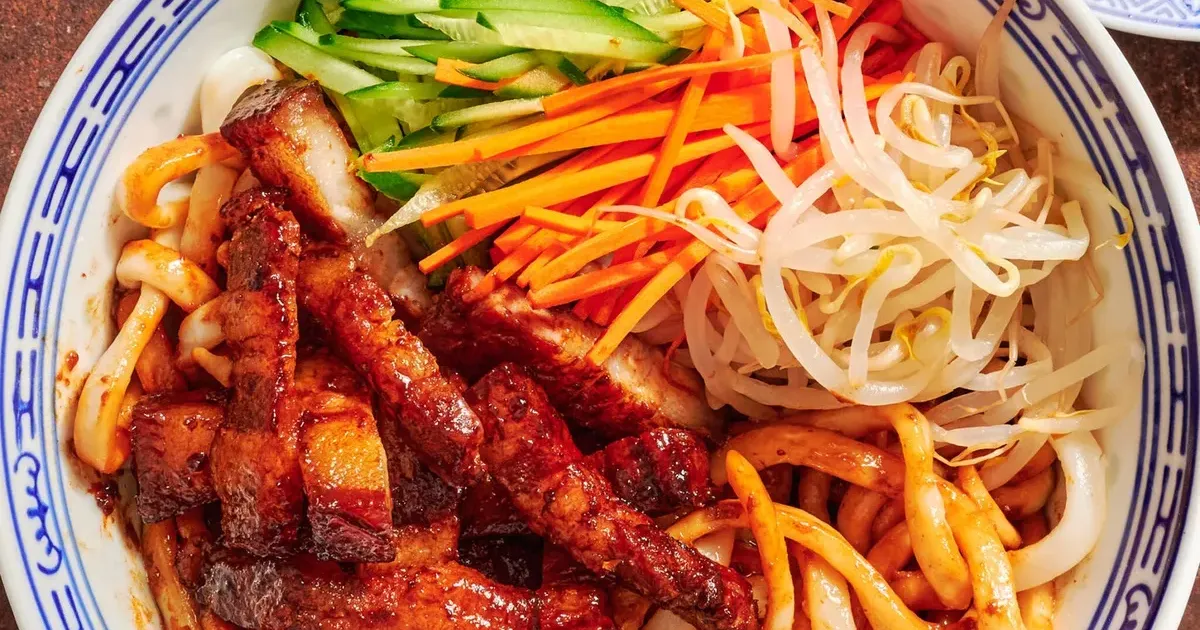
Authenticity in a Beijing kitchen often begins with a trip to the local market for specific fermented pastes. Zha jiang mian, perhaps the most famous noodle dish of the capital, relies on a combination of yellow soybean paste (huang dou jiang) and sweet flour paste (tian mian jiang). These jars can be difficult to identify for non-Chinese speakers, yet they provide the salty-sweet foundation that defines the pork belly sauce. Freshness remains a priority even here. While the cooked pork sauce stays viable in a refrigerator for up to one week, the noodles must be fresh thick wheat varieties. Twin Marquis brand is often cited by experts as a reliable standard for those shopping in Asian markets abroad.
Serving temperatures dictate the final experience of the dish. Hot noodles carry the richness of the pork fat, but cold noodles rinsed in water offer a refreshing alternative during the humid Beijing summers. Shredded cucumbers and fresh mung bean sprouts provide a crunch that offsets the density of the wheat. Professional chefs emphasize that the soybean paste must be fried properly to release its aroma without burning the sugars in the sweet flour paste. Balancing these two distinct fermented products requires a level of heat control that many home cooks underestimate.
Mastery of the Fermented Paste
Fluffy stuffed flatbreads known as shaobing represent another pillar of the northern diet. These are not simple breads but complex layered creations filled with a fragrant blend of sesame paste, peanut butter, and Sichuan peppercorns. The inclusion of peanut butter adds a creamy stability to the filling that pure sesame paste lacks. Cooks roll the dough in sesame seeds, pan-fry them briefly for a golden crust, and finish them in the oven to ensure a light interior. This decision to parcook shaobing before freezing allows modern households to preserve the tradition. Busy families can store them for a month and bake them straight from the freezer, adding ten minutes to the cooking time to restore their original fluffiness.
Sichuan peppercorns provide a subtle numbing effect that cuts through the richness of the nut butters. Some versions of shaobing are savory, while others lean into the sweetness of the toasted seeds. The dough must be handled with care to maintain the air pockets that characterize a high-quality flatbread. Flour choice is critical here, as all-purpose flour provides enough gluten for structure without making the bread overly chewy. Dusting the work surface with just enough flour ensures the dough does not stick during the intricate rolling and folding process required to create layers.
Street vendors on bicycles remain the primary guardians of the perfect sugar-coated fruit skewer.
Preserving Textures in Street Confections
Bing tanghulu, the iconic candied fruit skewers of the north, showcase the city's mastery of sugar chemistry. Traditionally made with tart hawthorn berries, these treats now feature strawberries, mandarins, and grapes. The hard sugar coating must be transparent and glass-like, a result of boiling sugar to the hard-crack stage. Moisture is the enemy of the perfect tanghulu. Grapes and strawberries begin to soften the candy shell almost immediately, so these skewers are best consumed the moment they are purchased. Vendors often sell them from the backs of bicycles, the bright red fruit encased in a crystalline shell that glimmers under streetlights.
Cleaning the tools used for tanghulu requires a specific technique to avoid a sticky disaster. Sugar hardens into a rock-like substance on woks and ladles, but boiling water dissolves it effectively. Smart cooks fill their woks with water, place the tools inside, and bring everything to a boil before attempting to scrub. The simple step prevents the permanent ruin of kitchen equipment. While the hawthorn berry remains the gold standard for its sour contrast to the sweet coating, the variety of modern fruits has helped the snack survive among younger generations who may find the traditional berry too astringent.
Precision in the kitchen defines the legacy of these ancient recipes.
Millet porridge, or mian cha, is reminder that the simplest ingredients often require the most care. Achieving a velvety texture with millet and corn flour is an act of patience. Cooks must whisk the flours into boiling water slowly to avoid lumps, creating a base that is mild yet satisfying. Toasting the sesame seeds for the topping adds a layer of complexity that raw seeds cannot provide. If a cook starts with raw seeds, they must toast them over medium-low heat for five minutes until they reach a golden hue. Cooling them before grinding ensures the oils do not turn the paste rancid or overly bitter.
Beijing cuisine is often overshadowed by the spicy profiles of Sichuan or the delicate dim sum of the south. But the capital’s food is a study in fermentation, toasted nuts, and the resilient textures of wheat and millet. These dishes survived the transition from imperial courts to street stalls and now to global kitchens. Maintaining the integrity of ingredients like toasted whole-seed sesame paste is not a matter of elitism. It is a necessary act of preservation for a flavor profile that is rapidly being diluted by the convenience of generic substitutes. True Beijing flavor lives in the specific crunch of a soybean paste and the glass-like snap of a sugar skewer.
The Elite Tribune Perspective
How much longer can we pretend that substitution is the same as innovation in the culinary arts? The modern obsession with convenience is slowly strangling the technical soul of regional cuisines like those found in the Beijing hutongs. Using tahini as a substitute for Chinese sesame paste is a confession of laziness, not a creative choice. We see this trend everywhere, where the specific, hard-to-find ingredients that define a culture's palate are replaced by whatever is available on a supermarket shelf. Such a erosion of specificity leads to a globalized blandness where every dish tastes vaguely of the same four ingredients. True culinary expertise requires the discipline to seek out yellow soybean paste and the patience to wait for sugar to reach the hard-crack stage. If we are unwilling to respect the chemistry and history of these recipes, we should stop calling them by their traditional names. A strawberry on a stick is just a snack, but a properly executed tanghulu is a technical achievement that demands respect. We must stop celebrating the 'easy' version of history and start demanding the difficult, authentic truth of the kitchen.