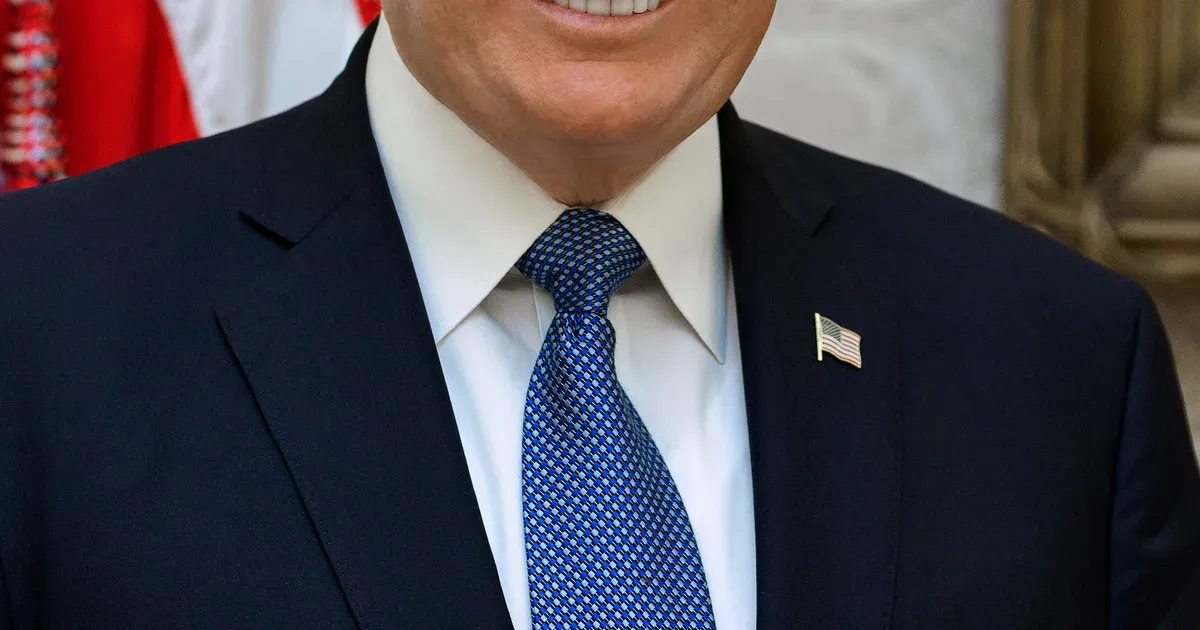
Donald Trump escalated his fight with the Wall Street Journal after the paper challenged parts of his public account of Iran policy and political violence. The president used social media to attack the paper's reporting and cast its editors as hostile to his administration. The clash on April 10, 2026, showed how quickly foreign-policy disputes can merge with a broader campaign against unfavorable media coverage.
The episode matters because the Wall Street Journal is not a natural partisan foil in the same way some liberal outlets are. When Trump attacks a conservative-leaning business newspaper, he is also warning allies that criticism of his Iran narrative will be treated as disloyalty.
Trump Targets a Conservative Outlet
Donald Trump has long used media conflict to consolidate support, but this dispute is more specific. The Journal questioned the administration's framing of events around Iran and the political consequences of its rhetoric. Trump's response tried to move the debate from evidence to loyalty.
That tactic can work with supporters who already distrust mainstream institutions. It also narrows the space for conservative media to press the administration on factual claims. If every challenge is branded as fiction, the White House becomes the only acceptable narrator for its base.
The fight also landed in a media environment already shaped by graphic crime footage and immigration messaging. Trump amplified a Florida hammer attack video to reinforce a law-and-order frame. The emotional force of that imagery made it easier to shift attention away from policy detail.
Media Conflict and Fear Politics
The political risk is that fear becomes a substitute for argument. A violent video can leave a stronger impression than a correction, statistic or legal explanation. The administration understands that voters often remember the image before they remember the context.
Critics argue that connecting isolated violence to broad immigration policy can distort public understanding. Supporters counter that the president is drawing attention to dangers they believe elites minimize. That divide gives Trump a familiar terrain: outrage over media judgment and anxiety over public safety.
The Journal clash adds another layer because it concerns who gets to define reality inside the Republican coalition. Business conservatives, foreign-policy hawks and populist activists may all support Trump for different reasons, but they do not always accept the same account of Iran or domestic security.
Information Control Becomes Strategy
Wall Street Journal criticism creates a problem for the White House because it cannot be dismissed as coming only from the left. Trump's response therefore tries to make institutional skepticism itself the enemy. That move protects the administration from one article but weakens shared standards of evidence.
The strategy also keeps supporters in a permanent state of agitation. Media anger, foreign threats and violent crime footage form a loop in which the president presents himself as the only reliable interpreter. Policy details become secondary to the emotional need for a defender.
That may be politically useful in the short term, but it carries governing costs. Foreign policy requires credibility with allies, markets and adversaries, not only with domestic supporters. If every unfavorable report is treated as betrayal, officials may find it harder to correct mistakes before they become crises.
The immediate question is whether the Journal fight fades as another media skirmish or becomes part of a sustained effort to discipline conservative criticism. Either way, the episode shows that Trump's media war is not limited to ideological opponents; it now reaches any institution that challenges his preferred account. The foreign-policy dimension makes the media clash more consequential than an ordinary insult exchange. Iran policy depends on public trust in intelligence, military judgment and diplomatic timing. If the administration trains supporters to reject any outside account before evidence is examined, it reduces the possibility of democratic scrutiny at precisely the moment scrutiny matters most. The same pattern applies to crime imagery. A shocking video can be politically powerful, but it can also collapse separate questions into one emotional demand for control. Trump's approach joins those themes: distrust the press, fear disorder and follow the leader who claims to see the truth. That formula can energize a campaign, but it leaves governing institutions weaker and public debate less able to separate fact from fear. The immediate question is whether conservative institutions continue pushing back or decide that the cost is too high. If they retreat, Trump gains more control over the coalition's information flow. If they keep reporting aggressively, the administration will face criticism from inside the political ecosystem it usually expects to defend it. The press fight also affects officials inside the administration. Advisers who see weak claims or risky messaging may be less willing to challenge them if the president has already framed dissent as betrayal. That makes the public attack a management signal as well as a campaign tactic. That is why the Journal dispute should be read as more than media noise. It is part of a broader attempt to decide which institutions are allowed to question the administration's account of risk, security and public order.