President Donald Trump framed limited movement through the Strait of Hormuz as proof that U.S. pressure was working. The market response was far less triumphant. Brent crude near $116 showed traders still saw a dangerous conflict and restricted chokepoint, not a solved crisis.
The claim centered on Iran allowing roughly 20 cargo ships to pass through the strait, with Trump presenting the movement as a concession and a sign of respect. But shipping analysts and industry data cast doubt on the scale and meaning of the claim, including whether the vessels described matched the political story being told from Washington.
The Ship Claim Was Not Enough
A limited crossing can ease immediate pressure, but it does not prove the waterway is open, the war is ending or Tehran has accepted a durable settlement. It may simply mean Iran is releasing enough traffic to reduce international backlash while preserving leverage over the timing and route of future passage.
The market did not treat the announcement as victory because limited passage was not normal passage. Shipping companies, insurers and oil buyers need predictable passage, clear rules and confidence that the next convoy will not become a target. A few vessels moving through an abnormal or politically managed channel do not create that confidence by themselves.
Markets Fact-Checked The Politics
Trump's instinct was to describe the movement as respect or concession. That helps domestically because it turns a messy conflict into a simpler story: pressure applied, opponent bends, president wins. Oil pricing told a different story. Traders kept a war premium because they still had to price mines, drone attacks, inspections, insurance costs, retaliation and sudden closure risk.
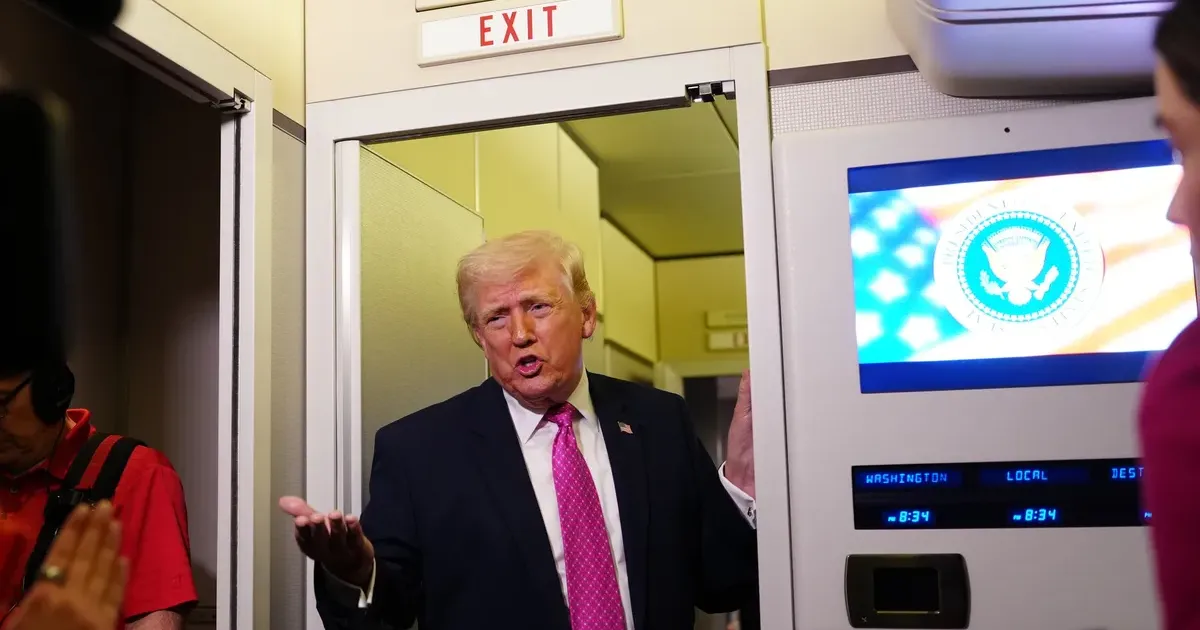
Markets provide an unforgiving fact-check. They do not care whether a statement sounded strong on Air Force One or in a social-media post. They care whether cargo can move repeatedly at lower risk. If oil stays elevated after a victory claim, the market is saying the claim has not yet changed the risk.
Iran Had Reasons To Release Some Pressure
Iran also had reason to avoid a total closure. Full disruption could unite customers, naval powers and Gulf governments against Tehran. Limited control lets Iran show influence without absorbing the entire cost of a global shock. That makes partial tanker movement tactically beneficial for both sides: Trump can claim progress, and Iran can show it still controls timing.
This is leverage, not peace. Tehran can loosen or tighten the chokepoint depending on battlefield pressure, diplomatic talks and energy-market reaction. Washington can celebrate a crossing, but the strategic question is whether it can make passage routine without expanding the war.
Hormuz remains the central test because it is both narrow and global. Disruption there affects Asian refiners, European inflation, American gasoline politics and Gulf security planning. Even if some ships move, a market that expects future interference will keep charging for risk.
Twenty ships, even if the number is accepted, do not end a war. They create a data point. Real success would mean sustained passage, lower insurance costs, falling oil prices and a diplomatic framework that prevents the strait from becoming a bargaining chip every week.
Until then, the victory claim is politics moving faster than the facts. A president can announce success faster than a shipping market can confirm it. Hormuz still had to prove the claim day after day, and Brent near $116 showed that traders were not ready to call the passage secure.