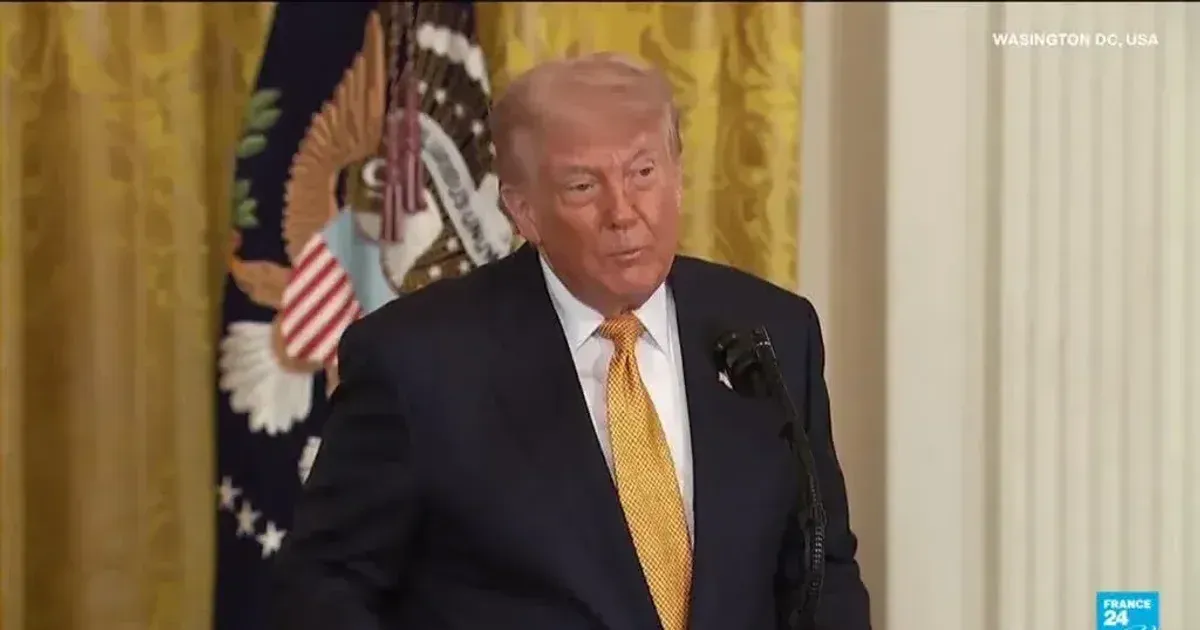
The ceasefire warning also gives diplomats a short window to define what violations would trigger consequences. Donald Trump moved to distance the United States from the existing month-long cessation of hostilities with Iran on Monday. The president said a new proposal from Iranian officials was insufficient for long-term security needs. Trump spoke to reporters on May 11, 2026, providing a blunt assessment of the diplomatic track that has defined regional relations for several weeks. He stated that the current ceasefire is "unbelievably weak" and suggested that American patience with the negotiation process is nearing an end. The phrase life support is meant to show urgency, but it also tells both sides that another incident could collapse the ceasefire.
Tehran's latest proposal reached Washington earlier this week, attempting to adjust the terms of the fragile agreement. Administration sources indicated that the counteroffer failed to address core American concerns regarding regional influence and nuclear capabilities. Trump rejected the document outright, asserting that the month-long pause in combat operations has not produced the leverage his team expected. He noted that the diplomatic mechanism is currently on "huge life support" as both sides struggle to find a middle ground.
Relations between Washington and Tehran have grown increasingly strained since the ceasefire began thirty days ago. Provisions within the agreement were intended to provide a window for comprehensive treaty discussions, but those talks have largely stalled over procedural disputes. Iranian negotiators have repeatedly sought sanctions relief in exchange for minor concessions, a trade-off that Trump has labeled unacceptable. This rejection marks a sharp hardening of the American stance after a period of relative quiet in the Persian Gulf.
Critics of the administration's approach suggest that the life support metaphor indicates an impending return to active military operations. If the diplomatic channel collapses, the regional security environment could deteriorate rapidly. Trump maintains that a weak deal is worse than no deal at all, a position he has held throughout his political career. He emphasized that the current arrangement provides Iran with too much breathing room without securing permanent behavioral changes.
Iranian Counteroffer Faces White House Rejection
Details regarding the specific terms of the Iranian counteroffer remain closely guarded by the State Department. Sources familiar with the document suggest it included provisions for a gradual lifting of energy sector sanctions. In return, Iran reportedly offered to limit the deployment of certain drone technologies to proxy groups. Trump dismissed these gestures as performative rather than substantive. He argued that the proposal did not meet the criteria required for a durable peace.
Ceasefire Pressure
Trump summarized his view by calling the ceasefire weak and saying it remained on enormous life support.
Trump clarified that the White House is not interested in extending the current month-long framework without a complete overhaul of the terms. He indicated that the Iranian side is attempting to stall for time while the international community remains divided on the path forward. This strategy has not found success with the president, who prefers a more direct and aggressive negotiation style. Presidential comments have already triggered volatility in global oil markets as traders brace for potential disruptions.
Tehran has not yet issued a formal response to the president's latest remarks.
State-run media in the region has focused on the perceived unfairness of the American demands, highlighting the internal political pressure on Iranian leaders. A month-long ceasefire was seen by many in the United Nations as a rare success, but its potential demise threatens to undo weeks of delicate mediation. Trump insists that the life support status is a result of Iranian intransigence instead of American inflexibility.
Fragility of the Month-Long Diplomatic Pause
Military analysts suggest that both nations have used the thirty-day pause to reposition assets and reinforce defensive lines. A thirty-day ceasefire provided a temporary reprieve for civilians in border zones, but the underlying causes of the friction have not been resolved. Trump warned that the United States is prepared to exit the agreement entirely if a substantial improvement in terms is not achieved. He stated that the current posture of the Iranian delegation does not inspire confidence in a peaceful resolution.
Global leaders have called for restraint as the verbal rhetoric from Washington intensifies. Several European allies had hoped the month-long window would lead to a broader security conference in Geneva. Those hopes appear sidelined as Trump refocuses on a maximum pressure approach. Trump signaled that any future proposal from Iran must include verifiable transparency measures that go far beyond the current arrangement.
Washington continues to wait for a proposal that meets its increasingly stringent requirements.
Trump Is Preparing the Ground for a Possible Return to Force
Rejection of the Iranian proposal indicates a transition from cautious diplomacy to a period of heightened confrontation. Trump is using the life support metaphor to prepare domestic and international audiences for a potential shift in policy. By labeling the existing month-long ceasefire as unbelievably weak, he is effectively delegitimizing the work of previous mediators and reclaiming control over the narrative. The maneuver puts the burden of the next move squarely on the shoulders of the Iranian leadership.
Future stability in the region depends on whether Tehran can produce a more palatable counteroffer or if the White House decides the medical metaphor has reached its conclusion. Trump has demonstrated a willingness to walk away from agreements that he views as one-sided. If the current month-long pause dissolves into renewed conflict, the geopolitical consequences will be felt across global trade routes and diplomatic corridors for years. Success in the next round of talks remains dependent on whether Iran offers solid structural concessions.