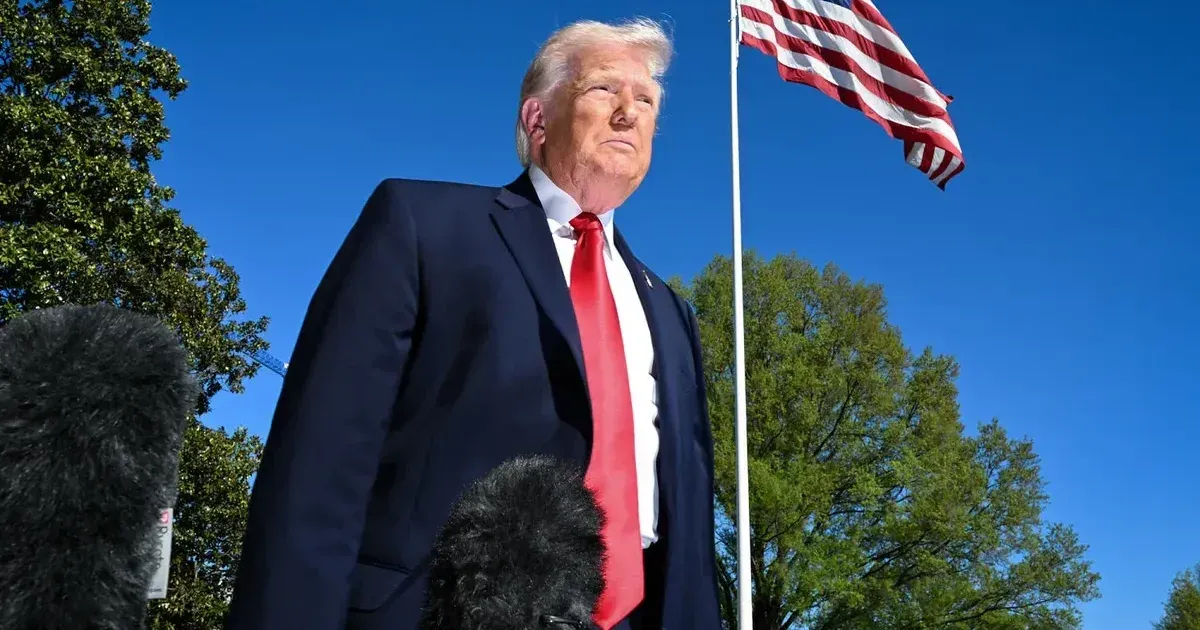
Donald Trump's Iran policy is becoming a Republican midterm liability as war costs rise and diplomatic channels falter. Republican candidates are struggling to defend the strategy while independent voters move away from the party. Democrats are using the conflict to connect foreign policy with budget strain at home. The issue sharpened on April 13, 2026, after Hillary Clinton criticized Trump's social media conduct and JD Vance's negotiations.
"Trump should be held accountable for a spate of unhinged social media posts and his administration's approach to negotiations with Iran," Hillary Clinton said during her appearance on Morning Joe.
Republican strategists now face a deteriorating map for the upcoming midterm elections. Sahil Kapur of NBC News observes that the war with Iran has clouded prospects for Republicans in swing districts across the United States. Voters who previously prioritized economic issues are shifting their focus toward the human and financial costs of a protracted military campaign. Internal party memos indicate concern that the Iran war will overshadow domestic achievements that GOP candidates hoped to showcase.
Republicans Struggle With Iran Messaging
Polling data from several key battleground states suggests a cooling of support among independent voters. While the Republican base typically rallies around the flag during the initial phases of a conflict, the prolonged nature of the current hostilities is testing that loyalty. Candidates in suburban districts are finding it difficult to reconcile the president's aggressive rhetoric with the economic stability their constituents demand. Many of these voters expressed concern over rising energy prices and the potential for a wider regional conflict. National security remains a central theme, but the framing has shifted from strength to volatility. Republicans are forced to defend a multi-front diplomatic and military engagement that lacks a clear exit strategy. The traditional advantage that the party holds on defense matters is eroding as the costs of the conflict become more visible to the taxpayer. Congressional leaders have sought to pivot the conversation toward border security and inflation, yet the news cycle continues to be dominated by developments in the Gulf.
Voters in the Rust Belt and the Sun Belt have responded differently to the administration's posture. In states like Pennsylvania and Arizona, Republican incumbents are seeing their leads narrow as Democratic challengers highlight the absence of a formal declaration of war. These challengers are framing the conflict as an impulsive venture rather than a calculated strategic move. Field offices in these states report that door-knockers are frequently asked about the duration of the deployment and the specific objectives of the Vance-led mission.
Clinton Targets Vance Diplomacy
Negotiations led by the Vice President have failed to produce a viable de-escalation framework. Hillary Clinton emphasized that the administration has bypassed seasoned State Department officials in favor of a small circle of loyalists. This centralized approach has led to what she called a vacuum of expertise at a time when precision is required. Foreign allies in Europe and the Middle East have also expressed private frustration with the inconsistency of the American message. They struggle to align their own security interests with the shifting demands coming from the White House.
Trump has used his social media platforms to bypass traditional press briefings and communicate directly with his base. These posts often contain threats of further military action mixed with grievances against domestic political rivals. Analysts argue that this communication style complicates the work of diplomats on the ground who are trying to establish a baseline for talks. The unpredictability of the president's messaging creates a high-risk environment where a single post can undo weeks of back-channel communication. Iranian officials have cited these posts as evidence that the United States is not a reliable negotiating partner.
External pressure from the United Nations and other international bodies has had little impact on the administration's trajectory. The White House maintains that its maximum pressure campaign is the only way to ensure long-term stability in the region. Critics, however, point to the lack of a cohesive coalition as a major flaw in this logic. Without the support of major global powers, the economic sanctions being applied to Tehran have limited effectiveness. The global oil market has already factored in the disruption, leading to a steady climb in prices at the pump.
Midterm Forecasts Move Against GOP
Forecasts for the November elections now lean toward a meaningful Democratic gain in both the House and the Senate. Nonpartisan election monitors have moved twelve Republican-held seats from the leaning category to a toss-up status. This shift is largely attributed to the volatility introduced by the Iran conflict and the president's public temperament. Democratic strategists are focusing their advertising budgets on the unpredictability of the administration, using Clinton's “unhinged” label as a central foundation of their campaign. They seek to present a contrast of stability and traditional governance.
Fundraising totals for the first quarter of 2026 show a surge in small-dollar donations to Democratic candidates. These funds are being used to purchase airtime in media markets where the GOP previously had an uncontested advantage. Republican donors, meanwhile, are expressing hesitation about pouring more capital into races that seem increasingly influenced by events outside of their control. Several high-profile donors have publicly called for a more coherent strategy from the White House to give down-ballot candidates a fighting chance. These donors are concerned that a landslide loss in the midterms would cripple the second half of the president's term.
Military expenditures for the Iran operations have already exceeded $11 billion in the current fiscal year. The figure has become a point of contention in budget hearings, with lawmakers questioning where the funds will be redirected from. Education and infrastructure programs are the primary targets for these reallocations, providing further ammunition for opposition candidates. The trade-off between foreign intervention and domestic investment is a narrative that is resonating with younger voters and working-class families. Public opinion polls indicate that a majority of Americans now favor a diplomatic resolution over continued military action.
Iran Becomes a Security Liability
Statecraft is being sacrificed on the altar of performance, and the current deadlock with Tehran is the logical conclusion of a foreign policy conducted via social media. The Trump administration has effectively dismantled the machinery of professional diplomacy, replacing it with a transactional, personality-driven model that leaves no room for the subtle art of the concession. By entrusting Vice President JD Vance with the primary role in negotiations, the White House has signaled to the world that it values loyalty over expertise. The choice has backfired, as foreign counterparts refuse to engage seriously with a team they perceive as lacking both authority and institutional memory.
Voters are sensing this systemic breakdown, and the upcoming midterms will likely serve as a referendum on the administration's competence instead of its ideology. The GOP's traditional iron grip on national security is failing because it is no longer synonymous with stability. When a president is labeled unhinged by a former Secretary of State, and that label sticks with independent voters, the political cost becomes overwhelming. Republicans are tethered to a military engagement that they can neither win quickly nor abandon without appearing weak. The strategic trap will likely cost them the House in November. Failure is inevitable.