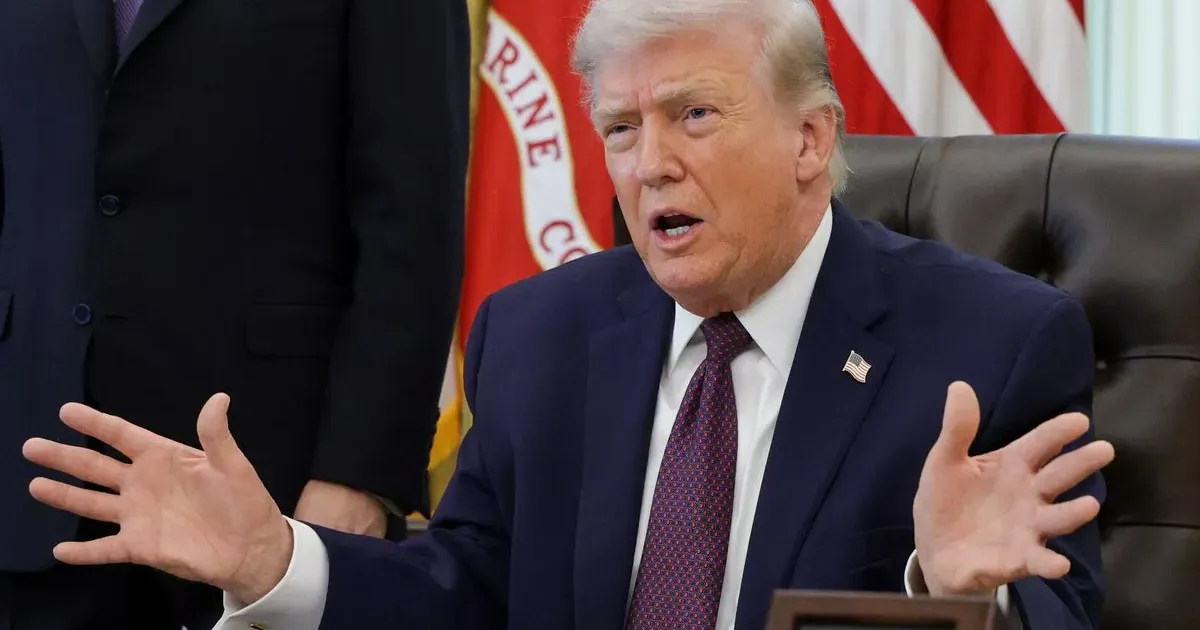
Donald Trump's April 1 address on the Iran war offered confidence but few concrete details about the endgame. He defended the campaign as necessary to stop Iran's nuclear and military threat, but he did not provide a clear timetable, diplomatic path or measurable standard for victory. Months later, renewed fighting around the Strait of Hormuz has made that omission harder to ignore.
The war has moved from a speech about limited force to a rolling crisis involving oil markets, shipping risk, allied pressure and U.S. politics. A president can project strength in an address. Military strategy still requires defined objectives, legal authority and a plan for what happens after the bombs stop.
The Exit Plan Remains Vague
A war sold as limited still needs limits that the public can see. Trump has suggested progress against Iranian capabilities, but the administration has not offered a stable public standard for success. Is the goal to deter Iran, destroy specific military assets, reopen shipping lanes, force nuclear concessions or reshape regional behavior?
Each goal requires a different level of force and a different diplomatic off-ramp. Without clarity, the administration can claim progress while avoiding accountability for whether the mission is actually nearing completion. That ambiguity may be deliberate, but deliberate ambiguity still has costs.
Hormuz Has Become the Real Test
The Strait of Hormuz remains the central economic pressure point. Even limited disruption can affect oil prices, insurance costs and inflation expectations far beyond the region. In July, renewed U.S. strikes, Iranian retaliation and threats to shipping turned the waterway into the practical center of the war.
Trump's retreat from a proposed 20% cargo fee on ships passing through Hormuz showed the difficulty of turning military protection into a clean funding mechanism. Shipping groups and Gulf allies pushed back, and the White House shifted toward investment and trade-deal language instead. The episode exposed the same problem as the war itself: the administration can announce pressure quickly, but implementation is harder.
NATO Pressure Added Another Layer
Trump's broader frustration with NATO and allied burden-sharing formed the backdrop to the Iran debate. He has repeatedly argued that allies rely too heavily on American power while offering too little in return. That complaint has political force in Washington. It also creates diplomatic friction when the U.S. launches or leads a conflict that allies did not fully shape.
European governments may share concerns about Iran, shipping and nuclear risk while still resisting automatic support for a U.S.-driven war. The NATO summit showed moments of public unity, but unity on stage does not answer who pays, who participates and who owns the consequences if the conflict widens.
Congress Cannot Stay Offstage Forever
Congress sits in the background of every prolonged conflict. The longer the operation continues, the harder it becomes to avoid questions over authorization, cost and democratic oversight. The War Powers debate does not disappear because the White House calls the campaign necessary.
Congressional oversight matters politically as well as constitutionally. Weapon stockpiles, oil prices and casualty risk all create pressure before the midterms. A conflict that begins as a show of force can become a domestic liability if voters see no route to conclusion.
Confidence Is Not Strategy
The central problem is that wartime messaging can become a substitute for planning. Trump wants credit for force without being pinned down on duration, cost or settlement. That may work for one news cycle. It does not work for a conflict tied to oil, alliances and congressional war powers.
The administration needs a public standard for success and a diplomatic channel that can survive political theater. Without those, the Iran war remains less a controlled campaign than a rolling crisis with a microphone, a shipping lane and no clear finish line.