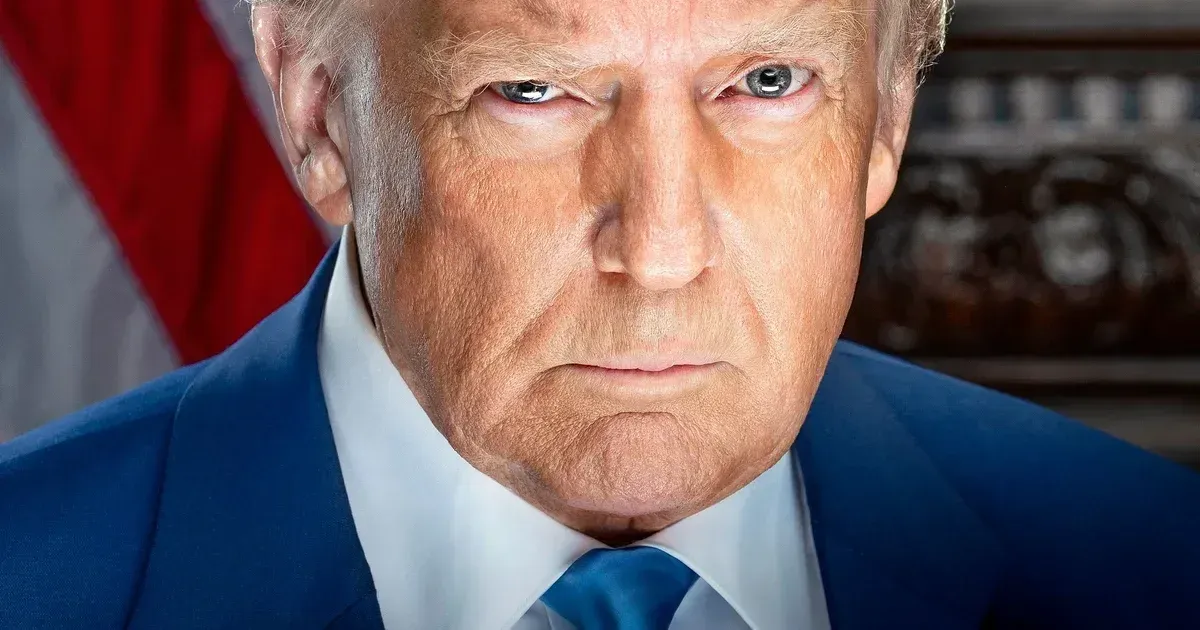
President Donald Trump initiated a multi-track diplomatic offensive to force a regional ceasefire. Administration officials believe ending the current hostilities provides the clearest path to domestic political stability. The plan combines pressure, incentives and reconstruction promises into a single regional framework. By April 15, 2026, White House strategists were tying foreign policy success directly to the 2026 legislative outlook.
Negotiations now focus on seven distinct leverage points designed to coerce combatants into a lasting truce.
Economic pressure is the primary tool in this arsenal. Recent data from the Treasury Department indicates that targeted sanctions have already frozen assets totaling nearly $40 billion. Diplomatic cables suggest that regional leaders are increasingly concerned about the long-term viability of their sovereign wealth funds. Fiscal realities are beginning to outweigh ideological commitments on the ground.
American Diplomatic Leverage and Sanctions Reform
Defense Department officials emphasize that military aid is a variable rather than a constant in these discussions. Trump reportedly warned allies that continued funding depends on immediate de-escalation. Military hardware deliveries scheduled for late 2026 face indefinite delays if the fighting persists. Projections show that a total withdrawal of American logistical support would leave several local actors unable to maintain defensive perimeters. Intelligence sharing is a critical non-monetary incentive. Washington offers high-resolution satellite data and signals intelligence to partners who agree to the ceasefire terms. Access to the American global surveillance network is a requirement for local security dominance. Several nations have already expressed interest in these enhanced data packages.
Security Guarantees for Regional Stability
Energy security provides a fifth avenue for American influence. Global oil prices rose by 14 percent during the first quarter of the year. Disruptions in the Strait of Hormuz have forced the United States to tap into the Strategic Petroleum Reserve. Stability in the region would likely trigger an immediate 10 percent drop in domestic gasoline prices.
“We are looking at a deal that puts American interests first while ensuring that no regional power can dictate terms to our allies,” a senior White House official said during a press briefing.
Private-sector involvement is the final foundation of the plan. Major American construction firms have been briefed on potential reconstruction contracts. These deals are contingent on a verified cessation of hostilities for at least eighteen months. Infrastructure development provides a carrot for war-torn economies. Refugee repatriation assistance forms the seventh component of the administration's plan. Projections from the Department of State suggest that current displacement levels are unsustainable for neighboring states. Financial aid for resettlement programs will be unlocked only after a formal peace agreement is signed. Host nations have expressed guarded optimism regarding this specific provision.
Political Stakes for the November Midterms
Domestic political concerns drive much of this urgency. Republicans currently hold a narrow majority in both chambers of Congress. Polling conducted in early April 2026 shows that voters prioritize foreign policy stability over continued intervention. Public fatigue has reached a level that threatens the party's performance in the November midterms. Legislative leaders have signaled that future budgets will prioritize domestic infrastructure over foreign skirmishes. Voters in battleground states frequently cite the cost of foreign entanglements as a primary concern. Analysis of recent town hall meetings suggests a growing isolationist sentiment within the conservative base. Presidential advisors have concluded that a peace deal is the only way to neutralize these criticisms. Success on the world stage often translates to momentum at the ballot box.
Opponents in the Democratic Party argue that the administration is sacrificing long-term strategic depth for short-term electoral gains. Nevertheless, the United States continues to press forward with its transactional diplomacy. Critics point to the volatility of previous agreements as a reason for skepticism. They claim that a rush to the finish line could leave critical security loopholes unaddressed.
Economic Reconstruction and Energy Security
Markets have reacted with cautious volatility to the news of the upcoming summit. Traders in London and New York have lowered their risk premiums on regional assets. If a deal is reached, analysts expect a surge in emerging market investments throughout the autumn. The potential for a sudden de-escalation continues to keep commodity prices in check.
Corporate leaders have reportedly lobbied for a seat at the table during the Mar-a-Lago meetings. Heavy machinery manufacturers and telecommunications giants view a ceasefire as a requirement for market entry. Stability in the region would open up consumer bases that have been inaccessible for years. These economic interests align closely with the administration's broader goals.
Enforcement mechanisms remain the biggest hurdle to a permanent solution. The White House proposes a multinational monitoring force that does not involve American ground troops. Instead, the plan relies on automated surveillance and financial audits to ensure compliance. Failure to adhere to the terms would result in an immediate reinstatement of all frozen sanctions. Consistency in application is the only way to maintain credibility with recalcitrant actors.
Ceasefire Strategy Under Pressure
History suggests that peace bought with financial carrots rarely survives the first winter of discontent. The Trump administration is betting that the same transactional logic that builds skyscrapers can dismantle centuries of regional animosity. It is a gamble of stunning proportions, and the stakes are far higher than the seating arrangements in the Senate. If the ceasefire collapses after the ballots are counted, the cost to American prestige will be permanent.
Transactionalism is not a strategy; it is a temporary truce.
Expectations of a total resolution are naive at best and deceptive at worst. By tying the ceasefire to the electoral cycle, the White House has signaled to every adversary that American resolve has an expiration date. Once the midterms conclude, the leverage dissipates. We are likely watching a performance designed for an audience in Ohio instead of a peace treaty meant for the history books. Success in November might look like a win today, but the regional bill will eventually come due in gold and blood.