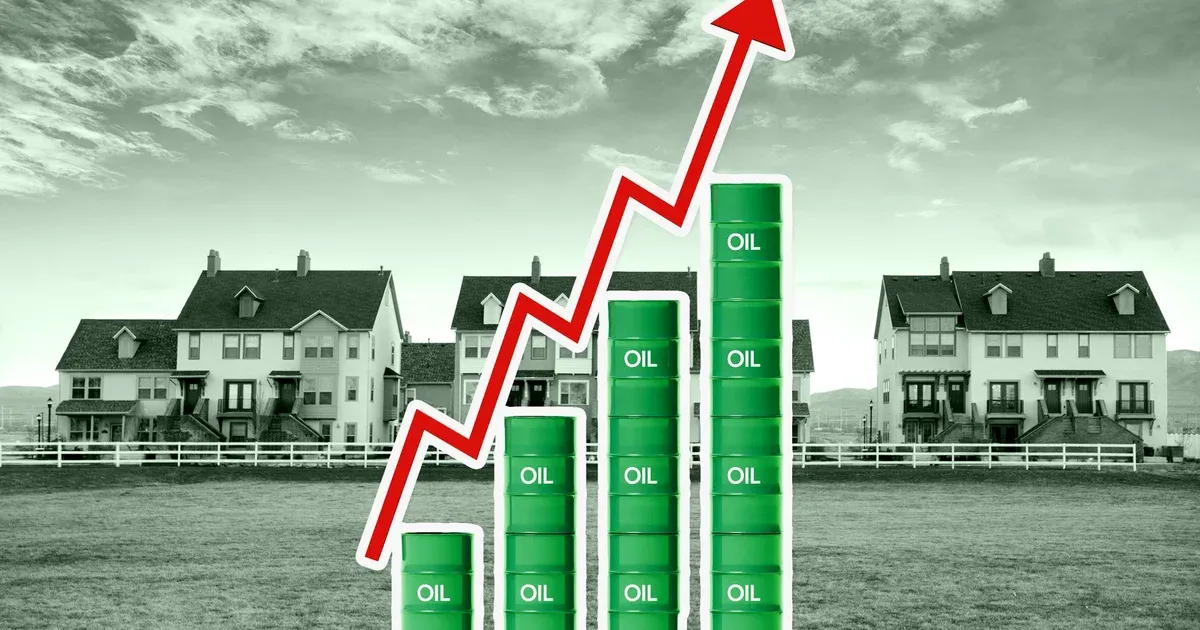
Trump's oil rhetoric shows how quickly presidential language can become a market event. The pricing reaction came fast. The volatility intensified around March 10, 2026, as traders reacted to shifting signals about Iran, oil routes and the possibility of further U.S. strikes. The market is not only pricing barrels. It is pricing uncertainty from the White House. The pricing problem becomes worse when the administration alternates between confidence and threat. Traders can handle bad news better than unstable signals. Words can move faster than tankers. If the White House says the conflict is nearly resolved while preparing new strikes, markets will price the contradiction rather than the reassurance. There is also a feedback loop between politics and price. Higher oil prices create domestic pressure, and domestic pressure can push leaders toward more dramatic statements.
Trump rhetoric sending global oil prices into a tailspin shows how quickly presidential language can become a market event.
Markets Hear Threat and Risk
Trump wants tough language to deter Iran and reassure consumers that the United States will protect global energy flows. The market may hear the same words differently. The administration should treat energy communication as a policy tool, not a rally line. In a crisis, every sentence can become a price signal. That is exactly the kind of ambiguity that raises risk premiums. Those statements can then move markets again. Trump oil rhetoric can signal resolve, but it can also suggest escalation if traders believe Tehran will answer through shipping lanes, proxies or energy infrastructure. That reality rewards discipline and punishes improvisation. Hormuz escalation risk remains the underlying fear behind each market move, because a threat to shipping would turn rhetoric into physical disruption. Breaking that loop requires discipline from the podium and clarity from the policy process. The Federal Reserve and other central banks will watch the rhetoric because energy shocks can bleed into expectations even when policymakers prefer to look through temporary moves. That is the communication trap. A threat meant to lower risk can raise prices if investors think it makes retaliation more likely. Refiners and airlines cannot wait for perfect clarity. They hedge, reroute and raise assumptions before the worst case happens. Allies will listen for the same signals as traders. If they hear improvisation, they will hedge their own energy and diplomatic positions. If consumers believe prices will keep rising, the damage can outlast the original headline.
Hormuz Remains the Pressure Point
The Strait of Hormuz sits at the center of the pricing fear. Even partial disruption, higher insurance costs or rumors of unsafe transit can lift crude and refined products. Those defensive moves can make prices sticky even if the immediate headline fades. That hedging can weaken the united front Washington wants to show Tehran. That is why a careless statement can have macroeconomic consequences.
Oil market tailspin does not require a confirmed blockade. It can begin with enough uncertainty to make refiners, airlines and freight companies protect themselves. The administration also faces a credibility problem with consumers. Strong language may sound decisive, but consumers care about whether it makes fuel cheaper or more expensive. The market is also watching whether threats are matched by operational moves. Empty threats reduce credibility; credible threats increase escalation risk. The White House may argue that markets overreact, but overreaction is part of the market it has to govern.
That defensive behavior spreads the shock. Companies add buffers, traders buy protection and consumers eventually see the pressure in fuel, food and ticket prices. That is why energy rhetoric should be treated as economic policy during a Gulf crisis. Neither option is cost-free. A leader cannot demand the benefits of forceful language while disclaiming the price response that language creates.
Policy Ambiguity Has a Cost
Ambiguity can be useful in military strategy, but markets dislike not knowing where the line is. If traders cannot tell what triggers a strike, they price a wider range of bad outcomes. That is why energy communication during war should be boring, precise and consistent. The better approach is disciplined signaling: what the United States will defend, what it wants to avoid and what conditions would reduce pressure.
The White House therefore needs a balance: enough firmness to deter Iran, enough clarity to prevent every statement from becoming a panic signal. It should not sound like a rally, because the market does not price applause. That does not require weakness.
Domestic politics make that balance harder. Voters may like strong language until it helps raise the price of driving. It prices risk. It requires coherence.
The Price of Performance
The severe conclusion is that oil markets are punishing performance without policy clarity. Rhetoric can rally supporters, but energy prices respond to risk. Oil traders can live with risk. They struggle with confusion layered on top of risk.
If Trump can pair threats with a credible de-escalation path, the market may calm. If the language keeps changing, the tailspin will become another cost of a war the public already finds expensive. That is what this episode has exposed.