Trump is trying to turn a fragile pause between Israel and Iran into a nuclear framework before the fighting resumes. Investors are watching the wording because small diplomatic shifts can move oil and currency expectations. The White House is presenting the next few days as a decisive diplomatic window rather than a settled breakthrough. On June 9, 2026, Trump told reporters that talks with Tehran were moving quickly and that an agreement could come within days.
The claim followed a volatile stretch in which Israel and Iran halted fresh attacks after a new exchange threatened to break the ceasefire. Trump said negotiators were in the final stage of talks, but the details of the proposed arrangement remain unclear. Iranian officials have continued to link any durable deal to sanctions relief and security guarantees.
That gap matters because the public language from Washington is moving faster than the visible diplomatic record. A short timeline can help keep pressure on both sides, yet it also raises the risk that political expectations outrun technical verification, enforcement terms and regional buy-in.
Ceasefire Pressure Shapes the Talks
American officials have framed the pause in fighting as proof that diplomacy still has room to work. The recent halt came after Trump urged both sides to stop shooting and keep negotiations alive. Israel and Iran each signaled that they reserved the right to respond if the other side resumed attacks.
That mutual warning leaves the ceasefire vulnerable. Military planners in Israel are still watching Iranian-linked forces in Lebanon and Syria, while Tehran is trying to show that it has not accepted a settlement dictated by Washington. The result is a negotiation taking place under active battlefield pressure.
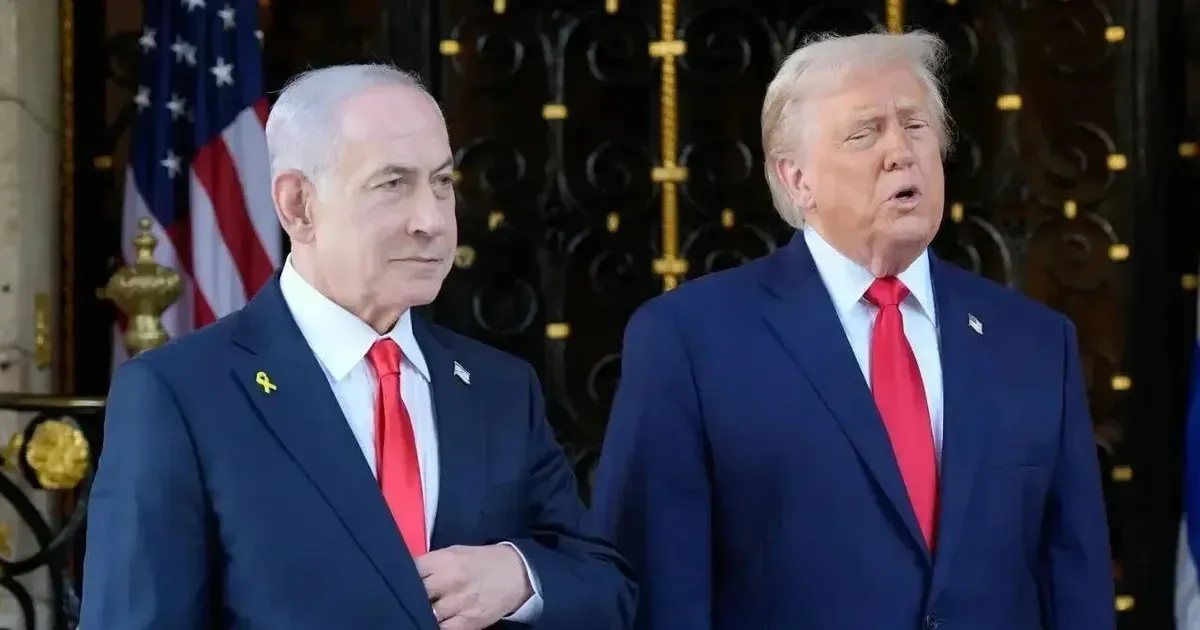
Trump's conversation with Israeli Prime Minister Benjamin Netanyahu has become a central part of the story. The president has pressed Israel to avoid moves that could collapse the talks, while also leaving Netanyahu space to argue that Israeli deterrence remains intact. That distinction is politically useful in Washington and Jerusalem, but it may be harder to sustain if another strike occurs.
U.S. and Israeli interests are not identical here. Washington wants a rapid diplomatic exit from a conflict that has disrupted regional security and shipping confidence. Israel wants a deal that does not leave Iran with a quick path back to nuclear leverage or missile pressure.
The pressure also comes from the way the ceasefire was restored. Public accounts from the region describe a stop-start process in which both sides accepted a halt only after renewed fire threatened to widen the confrontation. That kind of pause can create diplomatic space, but it does not remove the military incentives that produced the crisis.
For American negotiators, the immediate goal is to keep the parties inside the talks long enough for technical teams to define what each side is actually accepting. A broad political promise can be announced quickly. A nuclear framework that survives its first violation allegation needs clearer language on monitoring, sequencing and consequences.
Nuclear Terms Still Need Detail
The central question is what kind of nuclear restriction the proposed framework would actually impose. Trump has said any deal must prevent Iran from obtaining a nuclear weapon, but that statement does not settle the harder questions about enrichment, inspection access, missile limits or the handling of existing material.
Previous diplomacy with Iran moved slowly because technical language mattered. Inspectors, timetables and sanctions triggers can decide whether a deal survives beyond its announcement. A compressed process may produce a political headline before the enforcement structure is strong enough to carry it.
Iran also has domestic reasons to resist appearing cornered. Officials in Tehran can accept talks if they are presented as a route to economic relief, but a deal seen as surrender would invite internal criticism. That makes wording, sequencing and public messaging part of the substance rather than an afterthought.
There is also a credibility issue for the White House. Trump has repeatedly argued that his leverage can move Tehran faster than prior administrations did, but a public deadline creates its own trap. If the deal slips, allies and adversaries will read the delay as evidence that the remaining disputes are more serious than the administration has suggested.
Regional Fallout Remains the Test
The broader Middle East will judge the agreement by whether it reduces the chance of another round of strikes. Gulf states want shipping lanes and energy markets to calm down. European governments want the nuclear file contained before it draws more military resources away from other crises.
For Trump, the political benefit is obvious: a fast agreement would allow him to claim that pressure produced peace. The risk is just as clear. If the framework is vague, Israel may keep acting unilaterally, Iran may test the limits of the pause, and the United States could be pulled back into the same cycle it is trying to end.
The next few days will therefore test more than Trump's confidence. They will show whether the current ceasefire is a bridge to a durable nuclear arrangement or only another pause in a conflict that has repeatedly restarted when the parties disagreed over terms.