Donald Trump said the United States is prepared to act alone in the Middle East after a public fracture with traditional European partners. The refusal by allies turned a military argument into an alliance-management problem. The April 15, 2026, statement sharpened a dispute over NATO limits and Iran war operations. Speaking from the White House, the president signaled frustration with treaty allies who have declined to participate in active combat operations against Tehran. Airstrikes against Iranian targets began six weeks ago, yet the coalition supporting these maneuvers consists primarily of regional partners rather than the broader Atlantic alliance. The Pentagon has requested $200 billion in emergency funding to sustain the initial phases of the offensive, highlighting the immense fiscal pressure building in Washington. This expenditure arrives alongside a record $1.5 trillion defense budget proposal for the next fiscal year.
Pentagon Funding Request Hits White House Resistance
White House budget director Russ Vought told lawmakers on Wednesday that the administration has not yet finalized a specific funding request for Congress. Testifying before the House Budget Committee, Vought confirmed that the White House lacks a ballpark figure for the total cost of the conflict. Military leaders expressed urgency weeks ago when Defense Secretary Pete Hegseth submitted a request for supplemental funds to the White House. The delay in finalizing these numbers suggests a lack of consensus within the administration regarding the duration and intensity of the campaign. Vought noted that officials are still determining which costs belong in the current fiscal year versus the next one.
Republican leaders in Congress are pressing for a formal request so they can begin the legislative process. Some GOP members favor an emergency funding package designed to attract Democratic votes, while others prefer using the party-line reconciliation process to boost military spending. Senate Budget Committee members expect to question Vought on these priorities during his scheduled testimony on Thursday. Internal reports from the Pentagon indicate that the initial waves of airstrikes consumed a significant part of the existing munitions inventory. Replacing these sophisticated weapon systems will require immediate capital injections from the Treasury.
Budgetary uncertainty persists while the conflict enters its second month of active engagement. Defense Secretary Pete Hegseth previously confirmed that his department provided the White House with a detailed breakdown of the necessary emergency capital on March 15, 2026. Despite this, the Office of Management and Budget has refrained from transmitting those requirements to the Capitol. Vought stated that the administration is not ready to come to the legislature with a request at this time. The funding for the Iran onslaught is currently treated as a separate entity from the standard defense appropriations bill.
Stoltenberg Defines NATO Limits in Middle East Conflict
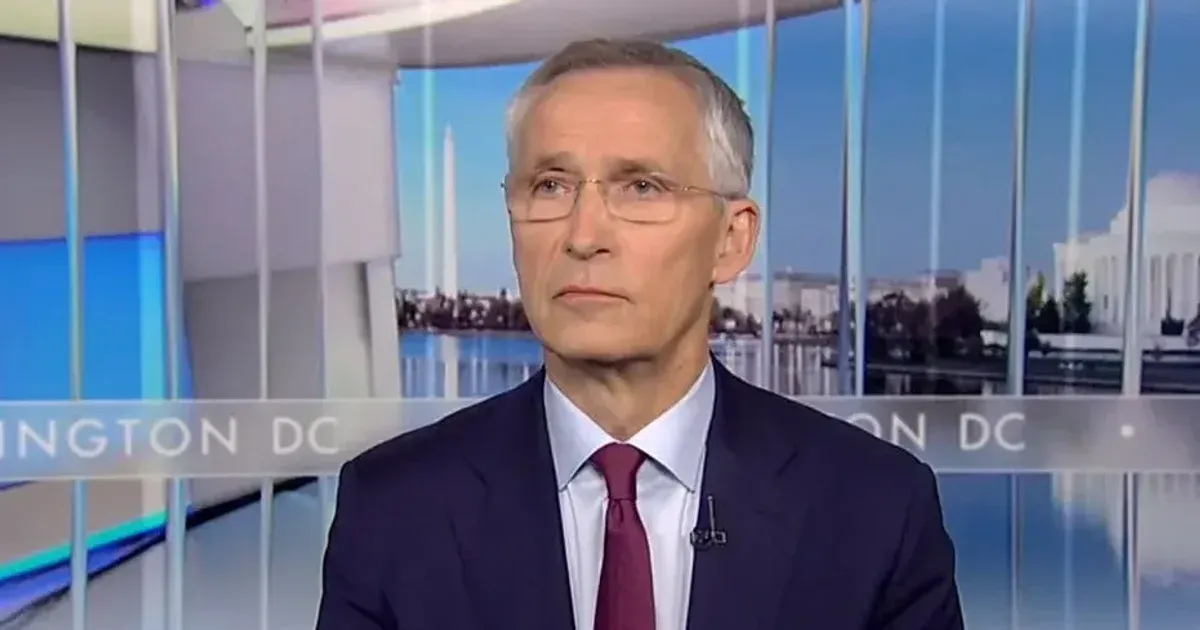
Former NATO Secretary General Jens Stoltenberg, who now serves as Norway’s finance minister, established a firm boundary for the alliance’s involvement in the region. NATO is a defensive alliance, Stoltenberg told Fox News Digital in an interview on Wednesday. He argued that the war against Iran was never intended to be a NATO operation, despite the escalating tensions in the Strait of Hormuz. European governments appear to favor sanctions and diplomatic pressure instead of direct military intervention. This refusal to join the American lead has drawn sharp criticism from the Oval Office. Trump posted on Truth Social that NATO failed to support the United States during a moment of crisis.
"The strikes or the war against Iran was never an attempt to make that into a NATO operation," Stoltenberg said during an interview with Fox News Digital.
European Union foreign policy chief Kaja Kallas echoed these sentiments when she described the conflict as being outside of Europe’s immediate war mandate. Major European powers have resisted the American push for military support, creating a strategic vacuum in the maritime corridors of the Persian Gulf. Trump has characterized this lack of participation as a very foolish mistake by the allies. Simultaneously, he has insisted that the United States does not require external assistance to achieve its military objectives. Disagreement centers on whether the Iranian nuclear program justifies a full-scale kinetic response or continues to be a matter for international diplomacy. The administration faces intense pressure from lawmakers regarding its demand for record Pentagon funding.
Security in the Strait of Hormuz is a primary point of contention between Washington and Brussels. Trump has urged nations that benefit from the free flow of energy through the strait to contribute to the military effort to secure it. European leaders maintain that their involvement should be limited to existing maritime security protocols. Stoltenberg framed the current divide as a disagreement over methodology instead of the nature of the threat itself. All parties agree that a nuclear-armed Iran is dangerous. The fracture lies in the execution of the containment strategy.
Alliance Burden Debate Sharpens
The White House risks financing a major regional war while the alliance that won the Cold War fractures in the background. The current budgetary paralysis in the Office of Management and Budget is not a sign of careful planning, but rather a symptom of a deep internal realization that the math does not add up. If the Pentagon needs $200 billion for the first few weeks of engagement, the total bill for a regime-change operation or a total degradation of the Iranian nuclear infrastructure will easily exceed the trillion-dollar mark. Washington is moving toward a severe fiscal burden without a clear estimate of the conflict's duration.
The administration's choices have left the United States carrying more of the military and financial burden.
The refusal of NATO members to join the fray is a logical consequence of a decade of transactional diplomacy. When a superpower spends years questioning the value of its alliances, it should not be surprised when those allies decline to spend their blood and treasure on a war they did not vote for. Jens Stoltenberg is signaling more than a procedural limit; he is questioning the reach of the American-led security umbrella in the Middle East. Trump may claim that the U.S. does not need help, but the historical record of unilateral Middle Eastern interventions suggests a different outcome.
Without the legitimacy and shared cost of a coalition, the U.S. is left holding an enormous bill for a war that serves only to isolate it further from the global community. Without coalition legitimacy and shared costs, the United States faces an increasingly difficult case for sustaining the war.