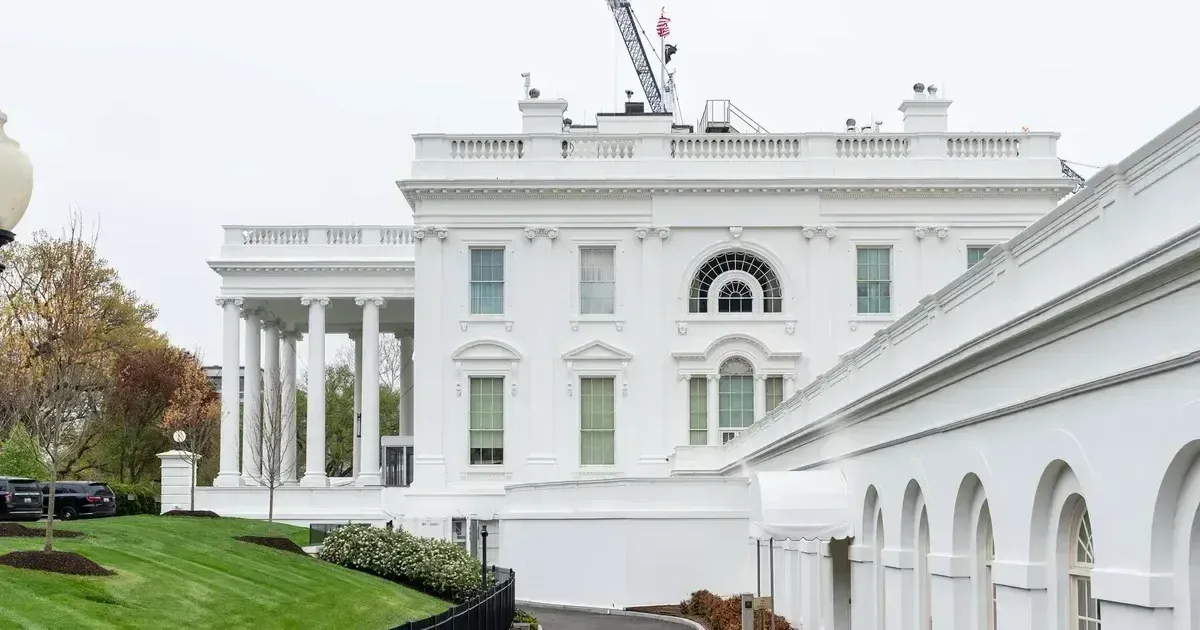
Trump's ballroom project returned to motion after an appellate court order. The ruling matters because construction, preservation and presidential branding are now tied together. Donald Trump secured judicial clearance on April 18, 2026, to proceed with his ambitious $400 million ballroom development despite intense legal scrutiny. Appellate judges overturned a prior injunction that had paralyzed progress on the enormous structure. Work stopped earlier this week when a lower court restricted above-ground activity. Construction crews returned to the site immediately following the stay of that order. Success in the courtroom marks a shift in the multi-year battle over the property expansion.
Appellate Judges Reverse Construction Blockade
Judges from the appellate division issued the ruling that permits all aspects of the building process to continue for the time being. Legal experts suggest the reversal hinges on the potential for financial loss caused by construction delays. Previous restrictions had specifically targeted the structural steel and facade work. Such a limitation threatened to leave the project exposed to weather damage and contractual penalties. Attorneys for Donald Trump argued that the lower court had overstepped its authority by halting the project before a final trial on the merits.
Appellate panels rarely grant stays unless the moving party demonstrates a high likelihood of eventual success. This specific decision allows the developer to complete the exterior shell of what has been colloquially termed the White House ballroom. Project managers indicated that crane operations resumed within hours of the court filing. Steel shipments that were previously diverted have been redirected back to the primary site. The ruling specifically addresses the immediate need for structural integrity.
Legal teams representing the municipality had argued that the project violated height restrictions and local zoning ordinances. By contrast, the defense presented evidence that all necessary permits had been obtained during the initial phase of development. Municipal inspectors have been present at the site to monitor compliance with the temporary order. Tension between the city planning department and the developer has persisted since the project began in 2024. Documentation submitted to the court indicates that the ballroom will span over 50,000 square feet.
Economic Impact of the $400 Million Development
Financial disclosures related to the venture reveal a complex network of private equity and personal investment. The $400 million price tag makes it one of the most expensive private event spaces currently under construction in the United States. Economic analysts project the completed venue will generate substantial local tax revenue. Employment figures show that the project currently supports over 800 construction-related jobs. Local businesses near the site have reported a sharp increase in daily foot traffic. Payroll records for the first quarter of 2026 show a steady climb in labor expenditures.
Property values in the immediate vicinity have fluctuated since the announcement of the ballroom project. Investors closely track the legal proceedings to determine the long-term viability of the neighborhood. A group of independent appraisers recently valued the land alone at nearly $90 million. Credit facilities tied to the construction rely on hitting specific milestones by the end of the year. Failure to complete the roof before the hurricane season would have triggered large insurance premiums. The current court win reduces some of these immediate financial risks.
Capital for the project originates from a mix of domestic and international lenders. Financing agreements stipulate that construction must remain on a rigorous schedule to avoid default clauses. Every week of delay costs the development group an estimated $1.2 million in overhead and interest. Management teams have expressed confidence that the project will meet its 2027 opening target. Detailed ledger entries filed with the court show that $150 million has already been spent on foundation work and subterranean utilities. The resilience of the project financing has surprised some market observers.
Political Scrutiny Surrounding Property Expansions
Critics of the development often point to its grandiosity as a symbol of political ambition. Zoning boards have faced intense pressure from local activist groups to deny further expansions. Petitions against the height of the ballroom gathered thousands of signatures over the winter months. Opponents argue that the classical architecture clashes with the surrounding modern skyline and creates a visual disturbance. Litigation is often the primary tool for these community groups to slow the pace of development. Meetings between the legal teams and community leaders have consistently ended without a resolution.
Transparency advocates have raised questions regarding the origin of certain investment tranches. They demand more detailed records concerning the ownership structure of the LLC managing the site. Previous audits have found no irregularities in the permitting process so far. However, a separate investigation into the environmental impact of the structure is still pending in a different jurisdiction. Public hearings regarding the project have become flashpoints for local political debate. Every new court filing triggers a fresh wave of public commentary from both supporters and detractors.
Political analysts note that the project is a physical extension of the developer’s public persona. The use of the term White House ballroom in project documents has been interpreted by some as a deliberate branding choice. Architects designed the interior to mimic the aesthetic of federal-era reception halls. Gold leaf and Italian marble have been ordered in quantities that rival national monuments. Construction documentation describes a seating capacity for over 2,000 guests. Such a scale suggests the venue is intended for international summits and high-profile galas.
Future Legal Challenges for the Ballroom Project
Appellate victory today provides only a temporary reprieve for the development team. A full hearing on the permanent injunction is scheduled for the summer of 2026. Both sides must submit final discovery documents by the end of May. Potential witnesses include city planners, structural engineers, and former members of the zoning board. Legal precedent suggests that once a building reaches a certain level of completion, courts are hesitant to order demolition. The developer appears to be racing toward that threshold of structural permanence.
Environmental groups may still attempt to block the project based on updated runoff regulations. Their attorneys claim the Appeals Court ignored recent data concerning the local water table. Scientists have been hired to conduct independent soil samples around the perimeter of the site. A separate lawsuit regarding the shadows cast by the ballroom is currently moving through the civil court system. Every successful legal maneuver by Donald Trump invites a counter-suit from well-funded opposition groups. Construction persists in a state of perpetual legal flux.
Compliance with the Americans with Disabilities Act remains a point of contention for some building inspectors. They have identified several areas in the preliminary blueprints that require modification. Architects are currently revising the grand staircase to include discreet elevator access. These design changes could add another $5 million to the total project cost. Final occupancy permits will depend on a successful inspection of the completed electrical and fire safety systems. The site remains one of the most heavily monitored construction zones in the country.
Ballroom Ruling Extends Legal Fight
Political enemies often mistake real estate litigation for moral combat, yet Trump understands it as a simple war of attrition. The $400 million ballroom project is more than a venue for weddings or political fundraisers; it is a monument to permanence in a city that prefers his absence. By securing this appellate stay, Trump has effectively forced the legal system to acknowledge the reality of his rising steel and stone. Courts are notoriously reluctant to tear down hundreds of millions of dollars in finished work, and every day the cranes are moving, the likelihood of the building being completed increases rapidly.
This is the classic Trumpian maneuver: use the complexity of zoning and appellate law to create facts on the ground. Once the exterior shell is finished, the debate shifts from whether the building should exist to how it should be managed. Opponents are fighting a ghost of a building while Trump is busy pouring the concrete for the reality. The financial stakes are high, but the symbolic stakes are higher. A ballroom named after the White House, owned by a man who previously occupied it, is a provocative statement of intent that no injunction can fully erase. Victory in the courts today is a blow to the municipal bureaucracy that sought to use red tape as a political leash. If the project reaches completion, it will stand as a physical reminder that legal challenges, no matter how numerous, often fail to stop a developer with enough capital and a superior appellate strategy. The courtroom drama is far from over, but the structural momentum is now entirely in Trump’s favor. Bet against the ballroom at your own peril.