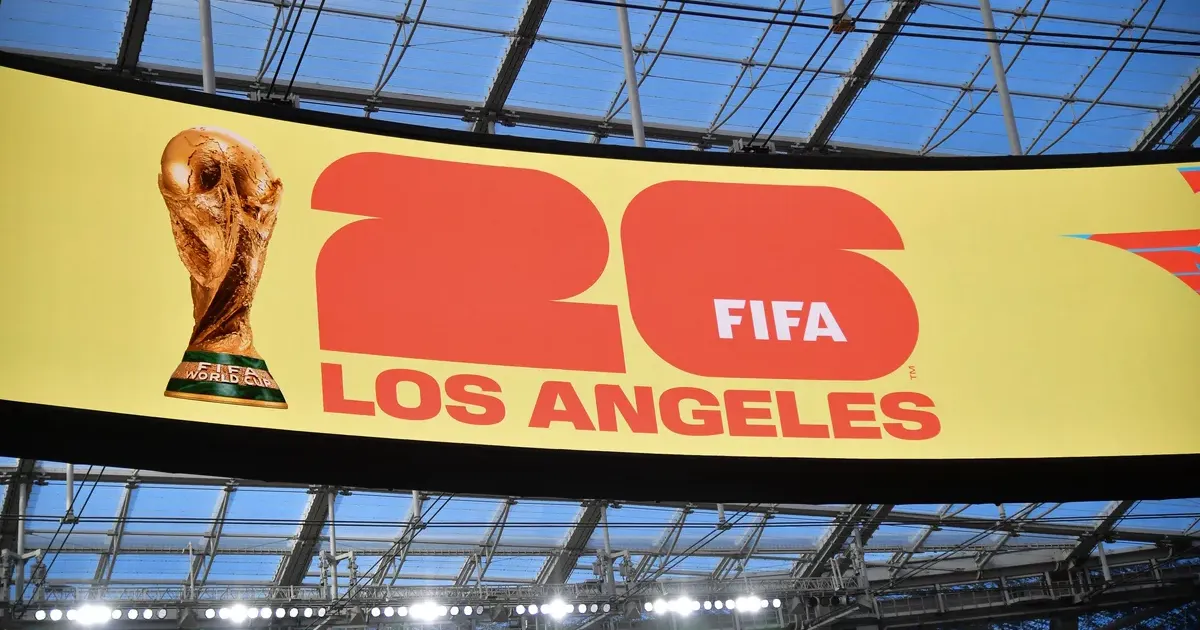
FIFA confirmed that the 48-team roster for the 2026 World Cup is officially complete after the final six nations secured their places in the expanded tournament. Results from the final intercontinental playoffs finalized a field that now spans across North America, bringing together the largest collection of national teams in the history of the sport. The confirmation came on April 1, 2026. Turkey and Bosnia and Herzegovina were among the last to book their tickets, filling the remaining voids in a schedule that spans 104 matches.
This huge expansion from the traditional 32-team format has forced national federations to overhaul their logistical and tactical preparations as the June kickoff nears. Host cities like Los Angeles are now moving into the final phase of operational readiness.
Final Six Nations Join Expanded World Cup Field
Qualification concluded with a flurry of high-stakes matches that determined the last participants for the summer tournament. BBC Sport reported that the final six spots were filled by nations coming through grueling playoff paths, ensuring a diverse global representation. Bosnia and Herzegovina clinched its position by navigating a difficult European path, marking its return to the world stage since 2014. Turkey also secured its spot, adding a powerful presence to a tournament that many critics previously argued was becoming too diluted. These final entries mean the tournament brackets are now locked, allowing coaching staffs to begin specific scouting on their group opponents.
Tournament organizers have spent years preparing for this specific 48-team configuration. Adding 16 teams to the traditional mix has altered the arithmetic of the group stages. Groups now consist of four teams each, but the sheer volume of matches requires a level of squad depth never before seen in international football. Medical staffs and trainers are prioritizing recovery protocols because the travel demands across the United States, Mexico, and Canada will be relentless. Several teams have already established base camps in coastal cities to acclimatize to the North American summer heat. Training facilities in the Sun Belt are reporting record bookings as international delegations arrive for site inspections.
Turkey and Bosnia Secure Decisive Playoff Victories
Victory for Turkey in its final playoff match jolted through the draw for Group D. Turkish fans celebrated across Istanbul as the national team confirmed its participation in what many consider the most competitive group of the tournament. The Turkish squad brings a blend of veteran leadership and young talent currently playing in the top tiers of European club football. Analysts from the New York Post noted that Turkey's inclusion immediately changes the math for the other three teams in its quadrant. No longer can the group be viewed as a two-sided race between the established powers. Turkish players have expressed confidence that their physical style of play will translate well to the large American pitches.
Bosnia and Herzegovina secured its entry with a defensive masterclass in its final qualifying fixture. Their path was marked by a series of narrow victories that showcased a disciplined tactical structure. The Bosnian federation has focused on integrating dual-national players from across the diaspora, a strategy that has finally yielded a cohesive starting eleven. Success in the playoffs has renewed interest in the sport back in Sarajevo. Bosnia and Herzegovina will be a difficult out for any opponent due to its compact defensive block. Coaches from rival nations are already studying game film to find gaps in that Bosnian backline.
United States Faces Tactical Hurdles in Group Play
United States Men’s National Team supporters saw their optimism tempered when the final group participants were revealed. Although the Americans avoided some of the traditional heavyweights from Pot 1, the addition of Turkey creates a group with zero obvious pushovers. Group D now consists of the United States, Australia, Paraguay, and Turkey. Every match in this quadrant carries the weight of a knockout fixture. Local media in New York and Los Angeles have highlighted the difficulty of facing three distinct styles of play within a ten-day span. The USMNT will need to find a balance between its aggressive pressing game and the defensive stability required to stop Turkish counter-attacks.
The World Cup line-up is complete - here's what you need to know on the expanded edition of the tournament.
Paraguay and Australia bring their own unique challenges to the table. Australia relies on a high-energy, physical approach that often frustrates more technical sides. Paraguay maintains a reputation for a gritty defensive identity that makes it hard to break down in transition. The United States must capitalize on its home-field advantage and the familiarity its players have with the domestic stadiums. High expectations often bring immense pressure, and the young American roster will be under the microscope from the opening whistle. Staff members are reportedly working on specialized set-piece routines to gain an edge in what projects to be a low-scoring group.
SoFi Stadium preparations add another layer of pressure as host cities adjust pitches, security and transport plans.
SoFi Stadium in Inglewood is a primary focal point for the upcoming tournament schedule. The venue is set to host several marquee group stage matches and key knockout rounds later in the summer. Logistics teams at the stadium are coordinating with FIFA to ensure the pitch meets international grass standards, a meaningful undertaking for a stadium that typically uses artificial turf. Security protocols are being tightened across the Los Angeles metropolitan area. Local businesses expect an enormous influx of international tourists during the month-long event. The economic impact for the region is projected to reach hundreds of millions of dollars.
Public transportation upgrades in Inglewood are being fast-tracked to handle the anticipated crowds. Fans will converge on the region from across the globe, creating a logistical challenge for the city of Los Angeles. Authorities are implementing dedicated shuttle lanes to move spectators from airport hubs to the stadium district. Despite the complexity of the task, local officials express confidence in their ability to deliver a seamless experience. Every seat at SoFi Stadium for the USMNT matches has already sold out. Secondary market prices for tickets are reaching levels rarely seen for group stage football. Fans are desperate to witness the first World Cup on American soil since 1994.
Expanded Field Raises Group-Stage Pressure
Expansion often masks a dilution of quality, and the 2026 World Cup is the ultimate case study in quantity over competitive purity. FIFA claims that moving to a 48-team field encourages global inclusivity, but the reality is a blatant grab for expanded broadcast revenues and sponsorship tiers. When the barrier to entry is lowered to this extent, the prestige of the tournament suffers. Fans will likely be forced to sit through a bloated group stage where the stakes are artificially lowered by the inclusion of third-place qualifiers.
This format protects the big brands at the expense of the underdog story that makes the World Cup special. True drama comes from the risk of failure, not from a safety net designed to keep major markets in the tournament as long as possible.
The USMNT, however, finds itself in an unstable position despite the expanded safety net. Turkey is a tactical nightmare for a team that often struggles with consistency in the midfield. If the Americans fail to secure three points in their opening match, the pressure of playing at home will become a psychological anchor. There is no room for the tactical experimentation seen during the 2025 friendlies. Success depends on clinical execution. Revenue over roots is the new FIFA mantra. Verdict: Corporate bloating.