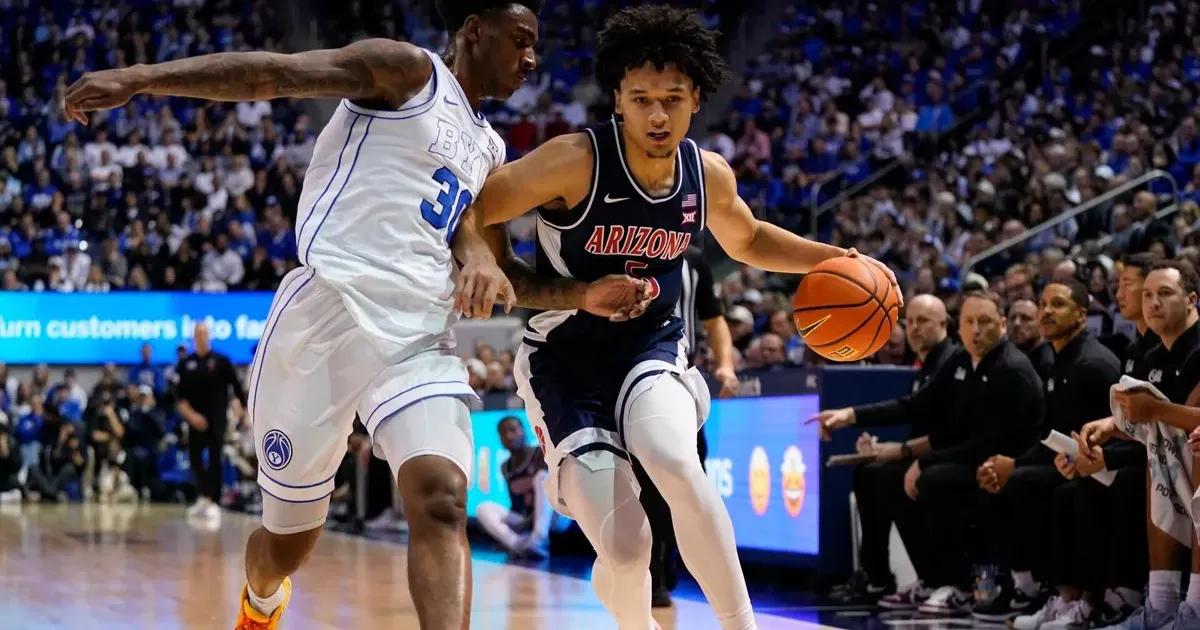
On April 4, 2026, Indianapolis becomes the epicenter of the collegiate sports world as four storied basketball programs converge on Lucas Oil Stadium for the NCAA Men's Final Four. UConn, Illinois, Arizona, and Michigan make up the 2026 field, representing a geographically diverse cross-section of the highest tier of American collegiate athletics. National semifinal games serve as the final hurdle for coaching staffs seeking to cement their legacy in the record books of the sport. Betting markets have fluctuated throughout the week, eventually settling on a clear hierarchy among the remaining competitors.
Connecticut enters the weekend attempting to extend its era of dominance, carrying the burden of expectations shared by a large alumni base. Dan Hurley's roster relies on a blend of experienced starters and highly touted freshmen who have navigated the preliminary rounds with relative ease. SportsLine expert Bob Konarski indicates that the efficiency of the Connecticut offense provides a useful buffer against the high-pressure defensive schemes employed by their opponents. Scouting reports highlight the depth of the frontcourt as a main advantage in the upcoming matchup against the Fighting Illini.
Illinois counters with a perimeter-heavy attack that has consistently outpaced competitors during the regional rounds of the tournament. Keaton Wagler has become a central figure in the Illinois rotation, providing consistent shooting from distance and versatile defensive coverage. The Illini coaching staff spent the lead-up to the game refining their transition offense to exploit potential gaps in the Connecticut set defense. Observers at open practices in Indianapolis noted a high level of conditioning among the Illinois starters. Momentum within the program is at a twenty-year high following their successful run through the Big Ten tournament and the early stages of March Madness.
UConn Defensive Metrics and the Illinois Challenge
Defensive output often dictates the outcome of these high-stakes encounters, particularly when two elite offenses clash. UConn maintains a defensive efficiency rating that ranks in the top five nationally, according to recent data analyzed by ESPN reporters. The Huskies use a switching man-to-man system that limits open looks for opposing guards. This system will face a rigorous test against an Illinois squad that thrives on creating space through complex screening actions. Connecticut assistant coaches spent several hours on Friday afternoon reviewing film of the Illinois backcourt to identify specific player tendencies.
Strategy dictates that the pace of the game will favor whichever team can control the glass during the first ten minutes of play. Illinois has struggled at times with offensive rebounding, a weakness that Connecticut is uniquely equipped to exploit. Strength and conditioning coaches for the Huskies have focused on maintaining player weight and energy levels throughout the three-week tournament stretch. Reaching the national championship game requires more than talent; it demands a clinical execution of the game plan under extreme pressure. Every possession carries an increased weight when the margin for error is this slim.
"The Huskies' ability to neutralize the perimeter game of Illinois is the single most important factor in the opening semifinal," said Bob Konarski in his Saturday scouting report.
Konarski, who is on a 44-28 run with his college basketball selections, suggests that the point spread reflects a justified confidence in the Connecticut roster. Market analysts at SportsLine believe the public money is leaning toward the favorite, though late sharp action could shift the lines before tip-off. Connecticut players have remained shielded from the media circus surrounding the event, following a strict team protocol designed to minimize distractions. Pre-game warmups will likely reveal the health status of several key rotation players who have been nursing minor injuries. Reaching this stage is a significant milestone as both Arizona and Illinois snap decades-old Final Four droughts this year.
Arizona Backcourt Strategy Against Michigan Length
ESPN surveyed 46 analysts and reporters to determine a consensus favorite for the national title. A clear majority of these experts selected Connecticut to repeat as champions, citing their historical performance in the Final Four. Arizona followed as the second most common choice, strengthened by their strong performance in the West Region. While Michigan and Illinois are viewed as underdogs, recent tournament history proves that lower seeds frequently disrupt the projections of the established experts. Parity in the collegiate game has increased due to changes in transfer regulations and name, image, and likeness compensation.
Betting volume for the Final Four is expected to reach record levels in 2026. $11 billion in total wagers is projected across legal sportsbooks in the United States during the tournament cycle. This financial interest drives a substantial volume of media coverage and scrutiny of every tactical decision made by the coaches. Bob Konarski noted that the point spreads for both semifinals are tighter than in previous years, reflecting the talent density of the four remaining teams. Professional bettors are closely watching the injury reports for any last-minute change that could impact the total points scored. Preparation for these games extends beyond physical drills. Psychologists working with the Arizona and Michigan programs have focused on stress management techniques for the student-athletes. Playing in front of 70,000 spectators creates an environment that is impossible to replicate in a campus arena. Managing the adrenaline of the opening minutes is a frequent topic of discussion during team meetings. Veterans on the UConn roster have the advantage of having experienced this atmosphere in previous seasons. Experience often becomes the deciding factor when the game is tied in the final two minutes.
Indianapolis Bracket Keeps Title Paths Open
The Indianapolis bracket still offers multiple title paths, but each depends on matchup discipline. UConn and Arizona both have talent, yet the games will turn on turnovers, rebounding and late-clock execution.