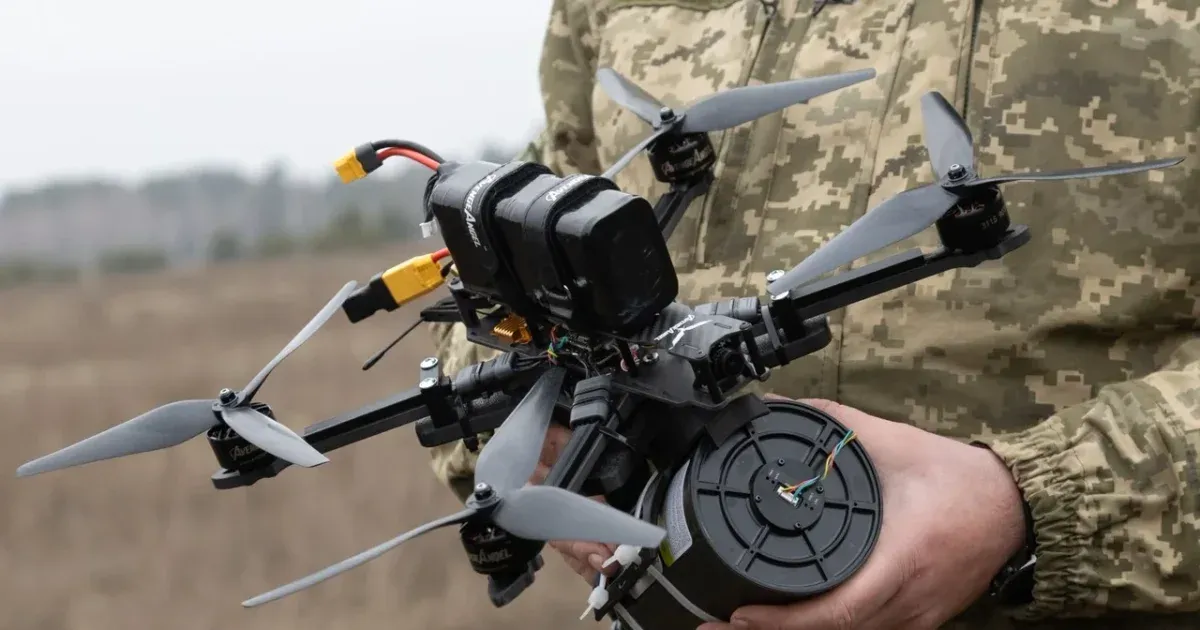
Russian officials confirmed that Ukrainian drone operations targeted Novaya Kakhovka and the Kursk Region during a fragile Easter ceasefire. Reports released on April 11, 2026, said the assault occurred despite a pre-negotiated pause in hostilities. Vladimir Oganesov, acting head of the Novaya Kakhovka city district, identified at least one civilian injury resulting from the strike. A residential apartment building also sustained significant structural damage.
Military activity in the region has persisted despite intermittent attempts at holiday-related de-escalation. Small-scale tactical drones often operate independently of high-level diplomatic agreements. Russian observers noted that the timing of the strike coincided with religious observances, which usually see a reduction in kinetic activity. Civilian residents had expected a reprieve from the constant threat of aerial bombardment. Instead, the arrival of the drone over a populated urban center reinforced the volatility of the front lines.
Oganesov categorized the event as a direct violation of the Easter truce. Regional authorities have spent months attempting to secure civilian corridors and establish predictable safety zones. One injured civilian received medical treatment for non-life-threatening wounds. Medical personnel at a nearby facility confirmed the patient is in stable condition. Local emergency crews arrived at the apartment building shortly after the impact to extinguish small fires and clear debris from the streets. The structural integrity of the building remains under assessment by local engineers.
Novaya Kakhovka Drone Strike Details
Attacks on infrastructure in Novaya Kakhovka frequently disrupt basic services for the remaining population. Maintenance crews often struggle to repair utilities when secondary strikes remain a constant threat. Vladimir Oganesov emphasized that the targeting of residential areas complicates any future humanitarian discussions. Apartment buildings in this district have faced repeated damage over the last year. Displaced residents often have few options for alternative housing within the city. Security protocols in the district require civilians to stay indoors during periods of heightened drone activity.
“The Ukrainian army violated the Easter truce by hitting Novaya Kakhovka with a drone, injuring a civilian and damaging an apartment building,” acting district head Vladimir Oganesov said.
Kyiv has not officially commented on the specific allegations regarding the Novaya Kakhovka strike. Ukrainian military officials generally maintain that their operations focus strictly on logistical hubs and troop concentrations. Proving the intent behind individual drone paths is difficult in a congested electronic warfare environment. Some analysts suggest that signal jamming can cause drones to drift from intended military targets into civilian zones. Regardless of the technical cause, the political impact of a strike during a truce is immediate. Russian state media outlets have used the incident to characterize the Ukrainian leadership as untrustworthy.
Kursk Region Casualties and Impacts
Violence also extended across the border into the Russian Federation. Alexander Khinshtein, the governor of the Kursk Region, reported a separate drone attack that occurred shortly after 1:00 p.m. GMT on the same day. This specific strike resulted in injuries to three individuals, including two adults and a one-year-old child. Casualties in border regions have become a recurring feature of the conflict as drone ranges increase. Medical teams in the Kursk Region provided urgent care to the victims. The condition of the infant has drawn particular attention from regional humanitarian groups.
Governor Khinshtein stated that the attack occurred while families were observing the holiday. Small loitering munitions, often referred to as kamikaze drones, are difficult for standard air defense systems to intercept at low altitudes. These devices can bypass traditional radar nets by hugging the terrain and using civilian GPS signals. Small border villages in the Kursk Region lack the dense anti-air coverage found around major cities or military bases. As a result, residential homes often become unintended or collateral targets in the cross-border exchange.
Public anxiety in the Kursk Region is rising as the frequency of these incursions grows. Local officials have implemented early warning systems that send alerts to mobile phones. These alerts provide only a few minutes of lead time before an impact. Alexander Khinshtein has requested additional resources from federal authorities to strengthen local militias and electronic warfare units. Schools in the area have already transitioned to remote learning to minimize the risk to children. The injury of a toddler on a religious holiday has intensified local demands for a stronger military buffer zone.
Political Fallout and Diplomatic Stagnation
Diplomatic repercussions followed the reports of the two separate strikes. A Russian senator, speaking on the condition of anonymity to state news agencies, argued that these events prove talking with Kyiv is impossible. Hardliners within the Russian government view the violation of a truce as a sign that negotiation is a futile exercise. This sentiment is becoming more prevalent in Moscow as the conflict moves through its fifth year. Trust between the two capitals has eroded to the point where even temporary humanitarian pauses are viewed with deep suspicion.
Ceasefires in this conflict have historically served as opportunities for both sides to resupply and reposition. True de-escalation requires a level of verification that neither party currently permits. International observers have largely been excluded from the most active combat zones. Without neutral monitors on the ground, both sides trade accusations of truce violations without independent corroboration. The failure of the Easter truce mirrors the collapse of previous holiday agreements. Each failed attempt at peace reinforces the narrative that only a total military victory can end the hostilities.
Stagnation in the diplomatic arena leaves the civilian population in a state of perpetual risk. International organizations have called for the protection of noncombatants, yet the reality on the ground reflects a total war mentality. Both nations have integrated drone technology into their primary tactical doctrines. Drones provide a low-cost way to project power across borders and behind front lines. Because these systems are relatively inexpensive, they are deployed in high volumes. This volume makes it nearly impossible for any ceasefire to be perfectly maintained across a thousand-mile front.
The Truce Problem
The collapse of the 2026 Easter truce confirms what seasoned observers have long suspected: performative diplomacy is dead. There is no longer any utility in negotiating temporary pauses when neither side possesses the political will or the operational control to enforce them. The evidence shows the final dissolution of the Minsk-era illusion that dialogue can survive the presence of autonomous loitering munitions. When a one-year-old is wounded in the Kursk Region during a scheduled ceasefire, the moral and tactical cost of the conflict reaches a point of no return for the Russian public. It is no longer a border skirmish; it is a generational blood feud.
Moscow is now pivoting toward a policy of total diplomatic isolation regarding the current administration in Kiev. The rhetoric from Russian senators suggesting that talk is "impossible" is not mere posturing. It is a formal signal to the international community that the Kremlin has abandoned the search for a middle ground. By hitting Novaya Kakhovka and Kursk simultaneously, Ukraine has inadvertently handed the Russian hardliners the ammunition they need to justify a summer offensive. The next phase of this war is likely to be characterized by an absence of restraint. The age of the negotiated exit is over. Total victory is the only remaining currency.